S 659
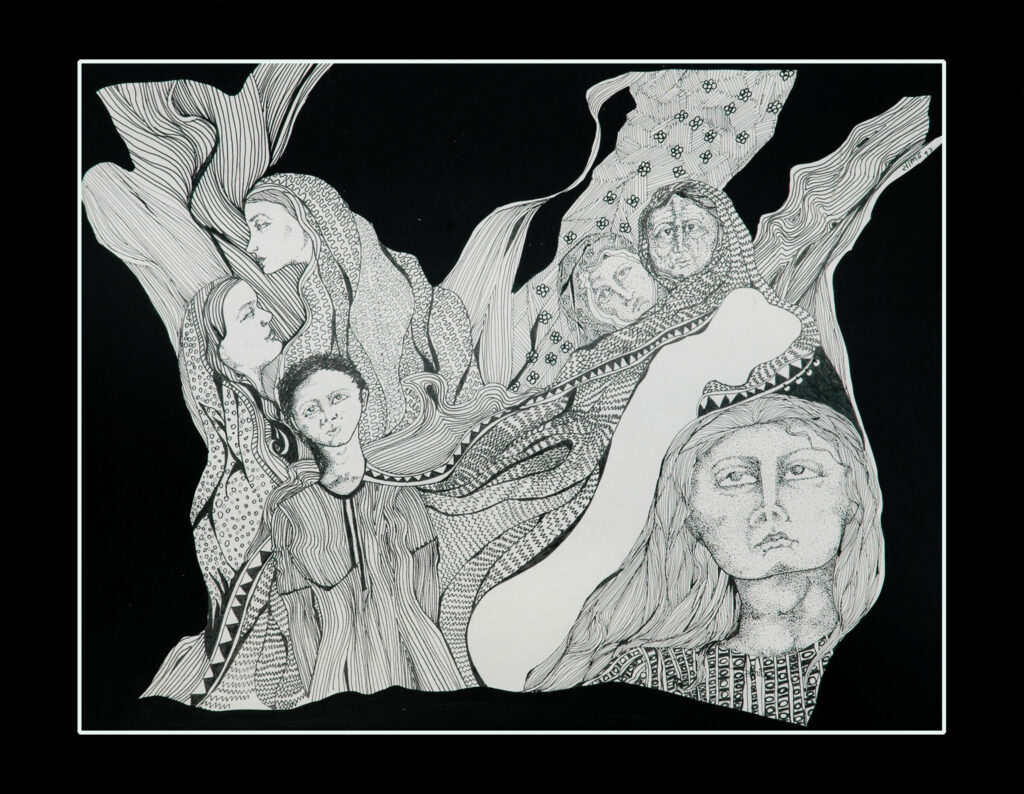
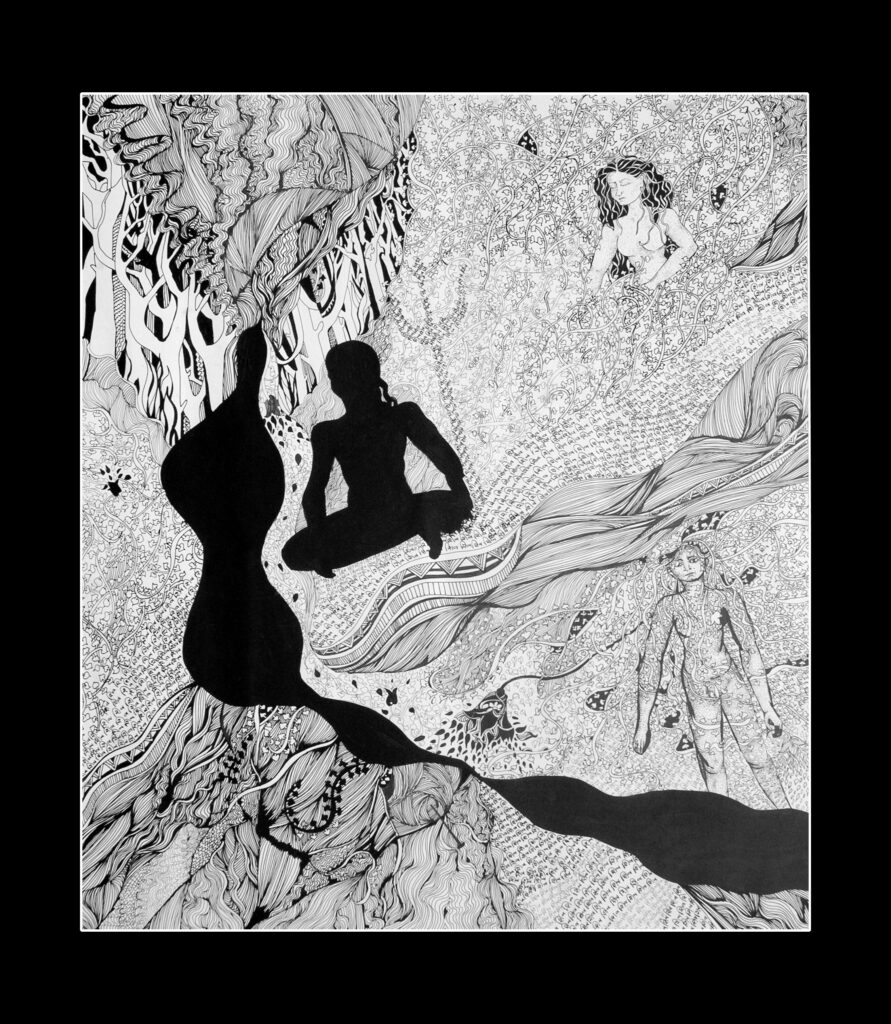
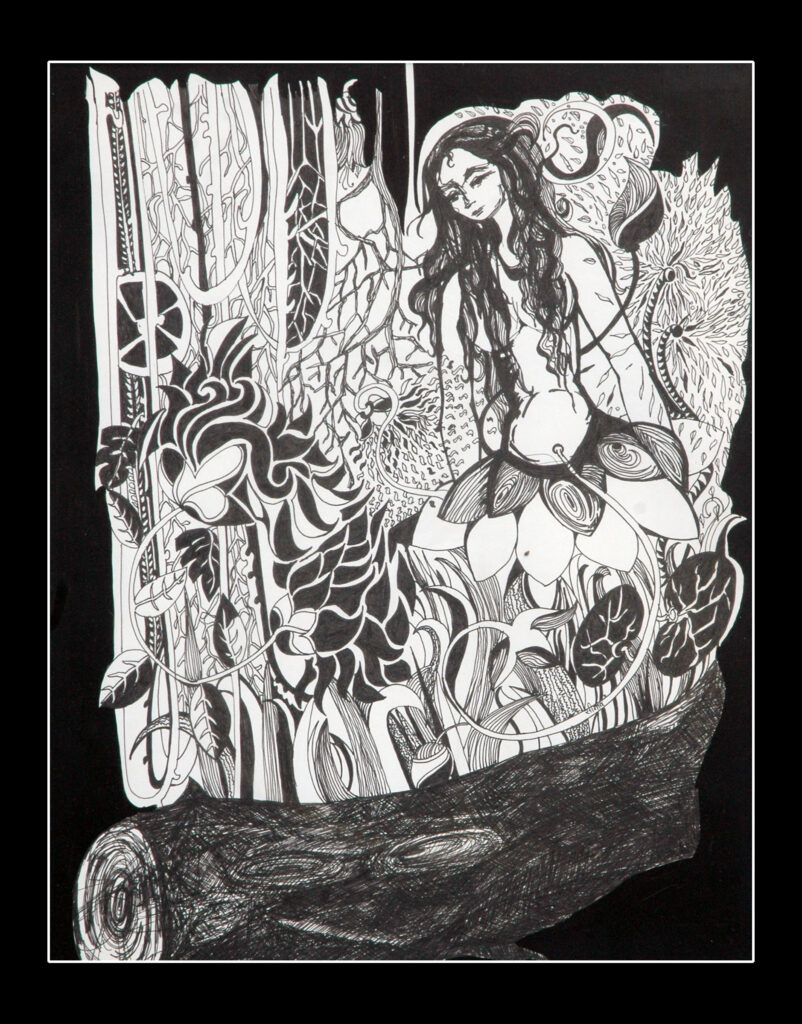
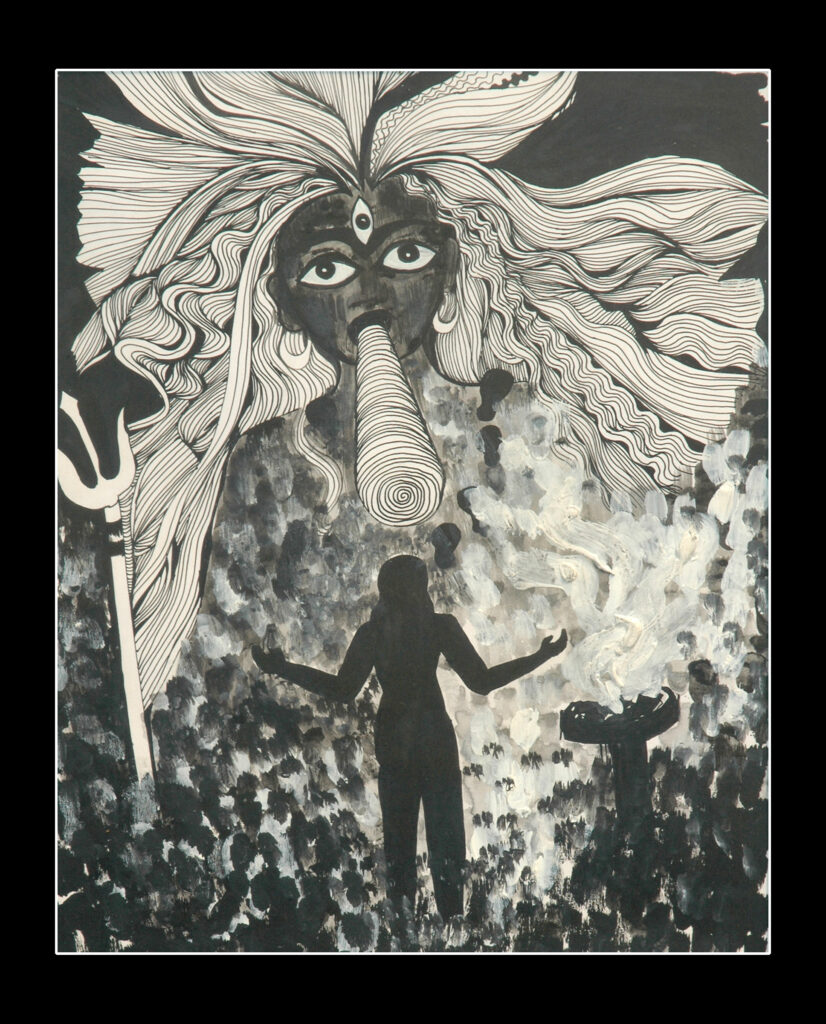
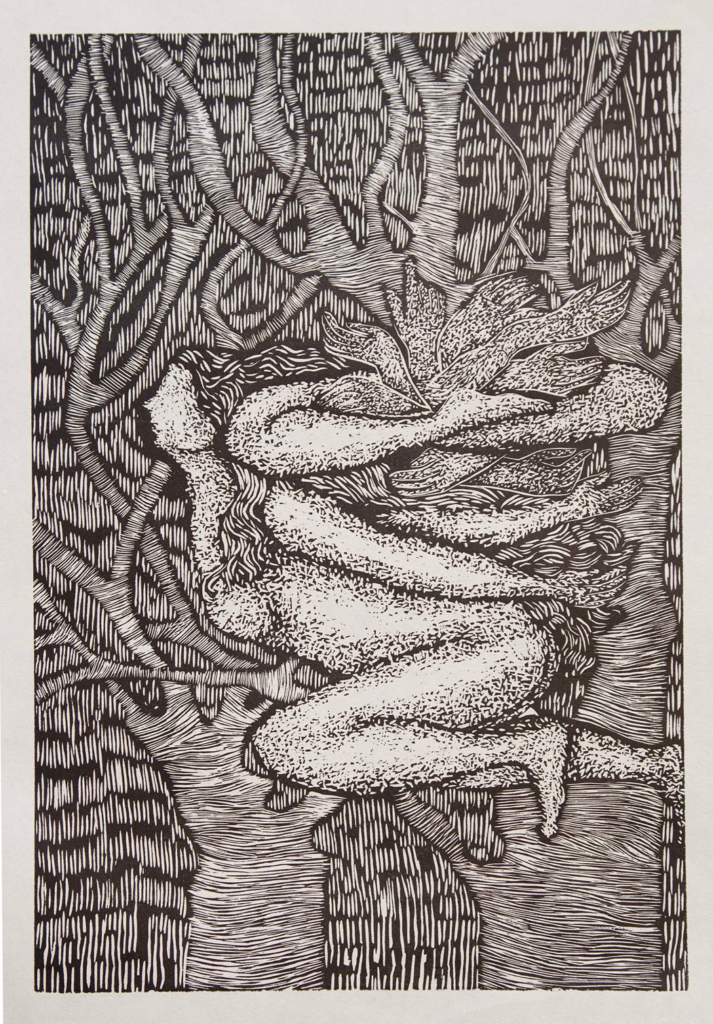
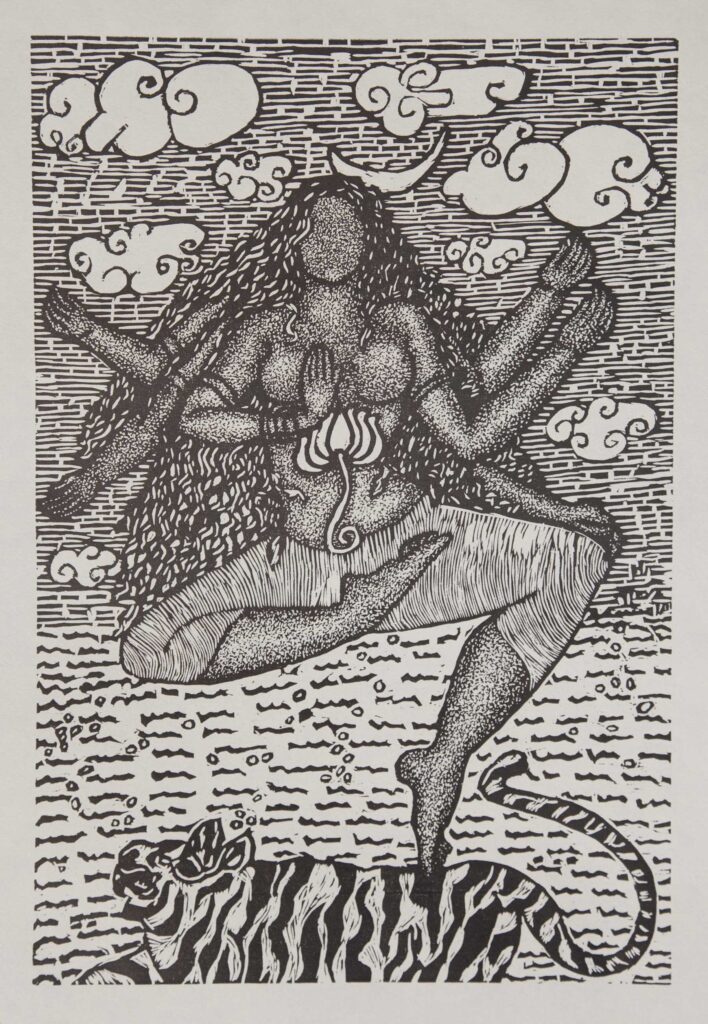
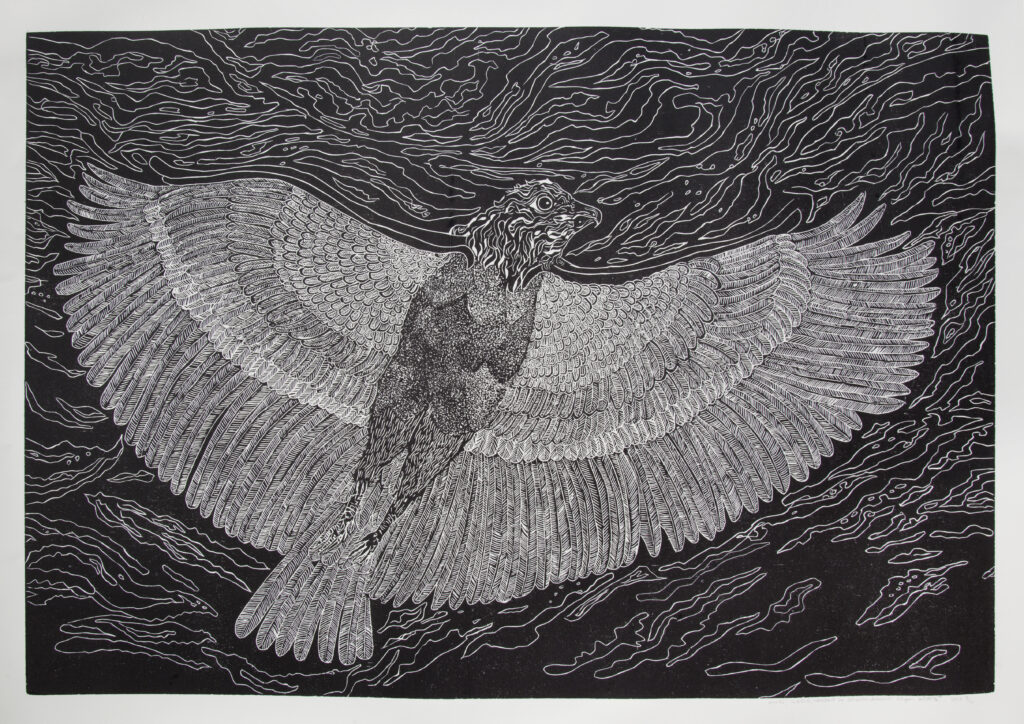
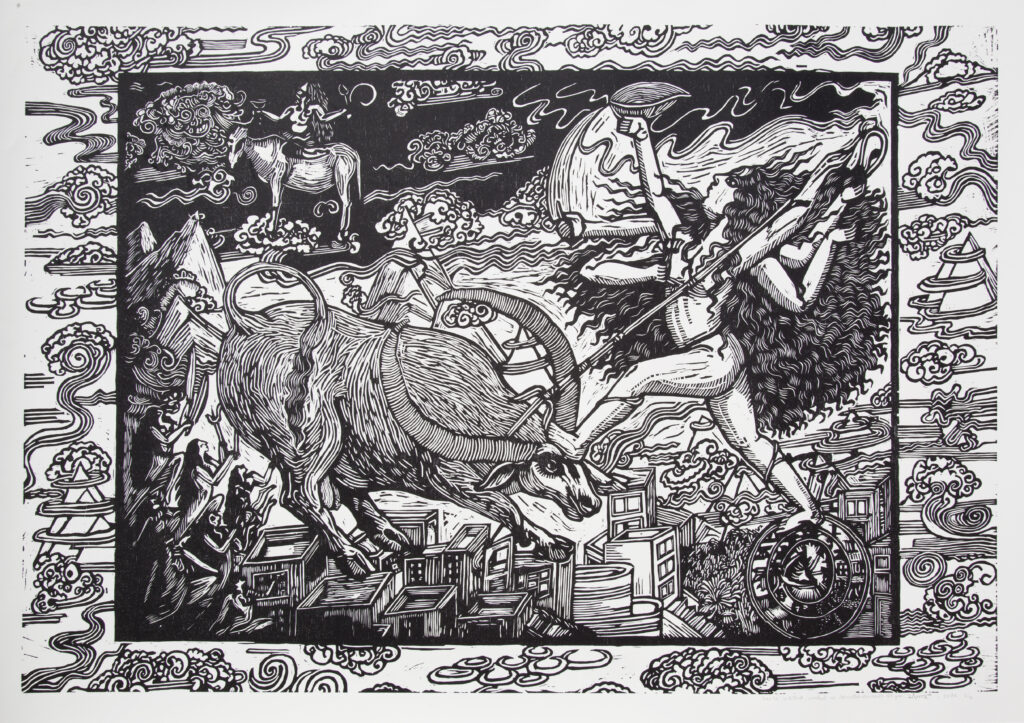
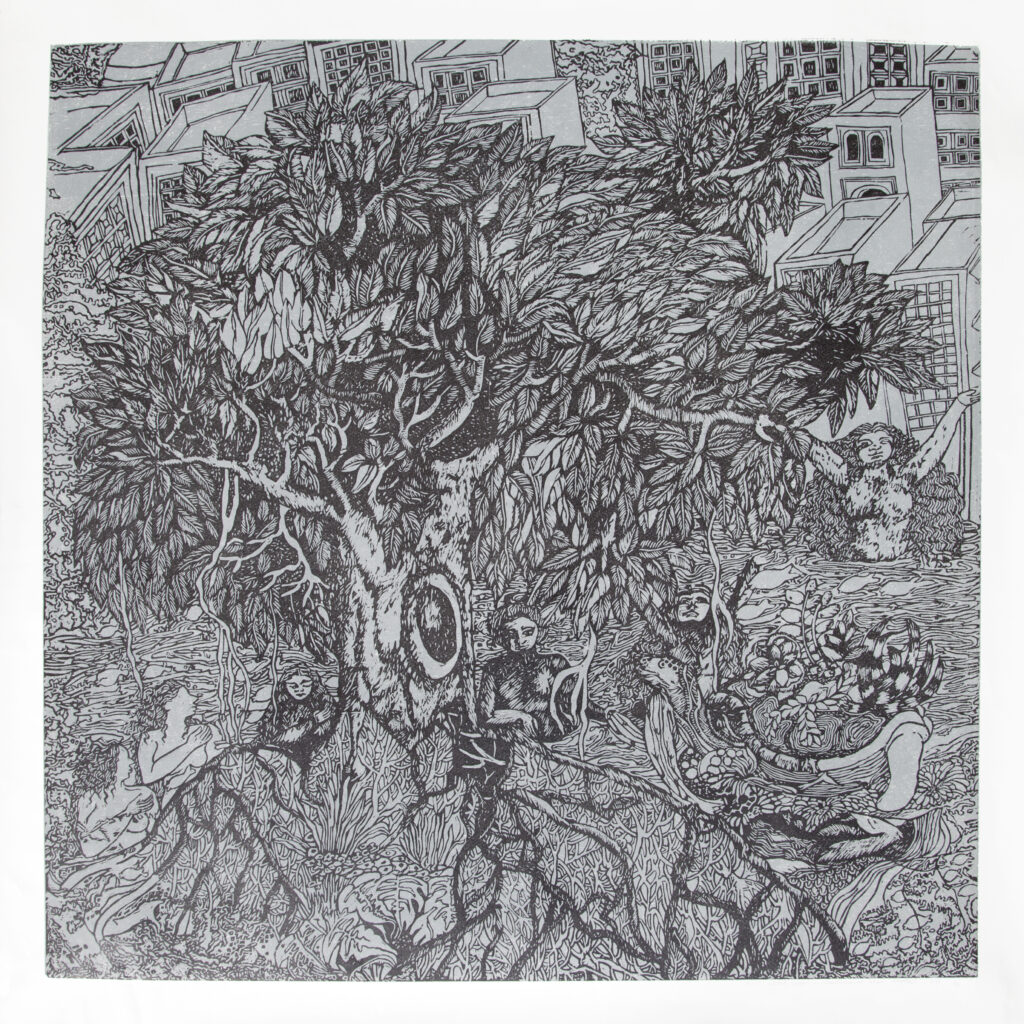
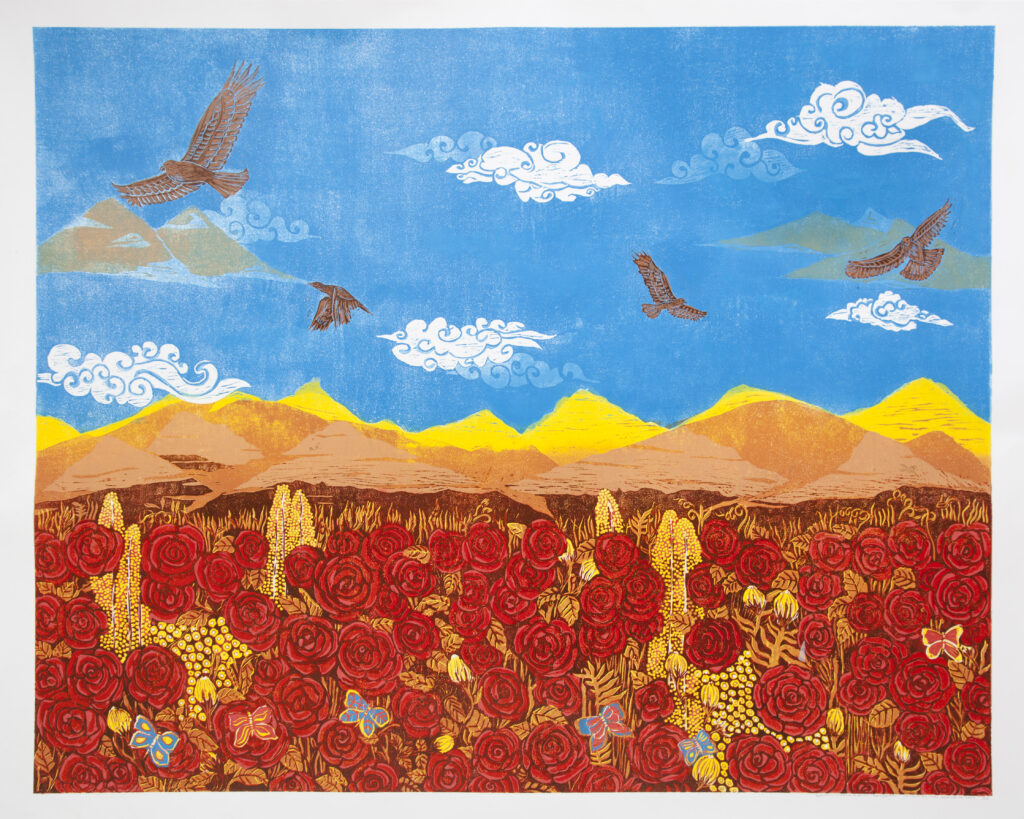
Paperworks, Woodcut
Seema Kohli
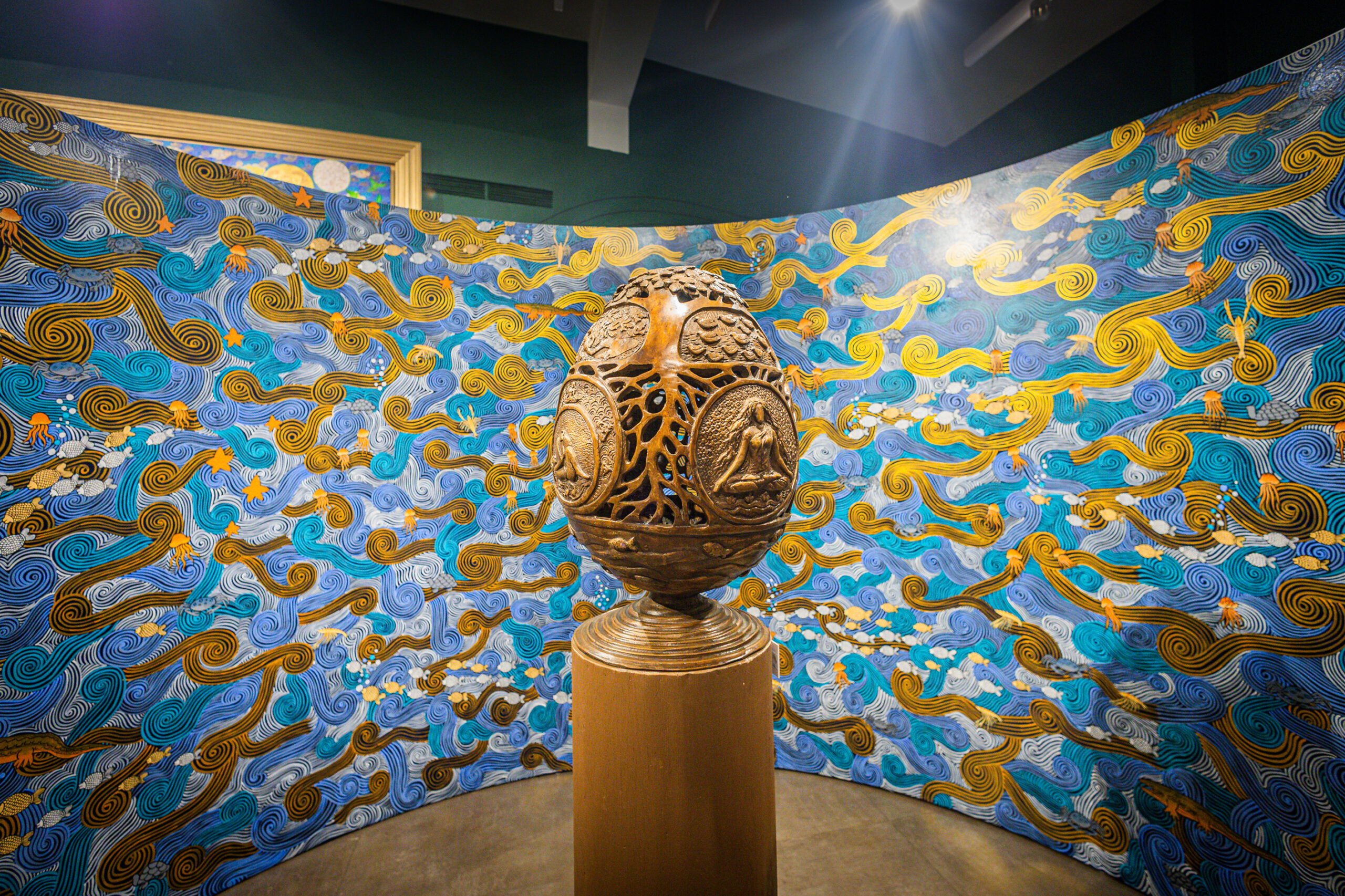
Bodies of Sky, Bodies of Earth was a solo exhibition by Seema Kohli that emerged from the conceptual and material rigor of her practice. The exhibition’s spatial and scenographic structure developed through close engagement with Kohli’s sustained inquiry into matter as simultaneously physical, metaphysical, and philosophical. Rather than functioning as a narrative imposed upon the work, the exhibition expanded the internal logic of her practice into space, allowing material processes to shape both form and experience.
18 January – 25 January 2026
Shridharani Gallery, Triveni Kala Sangam, New Delhi
Presented by Gallerie Nvya
Curated by Satyajit Dave
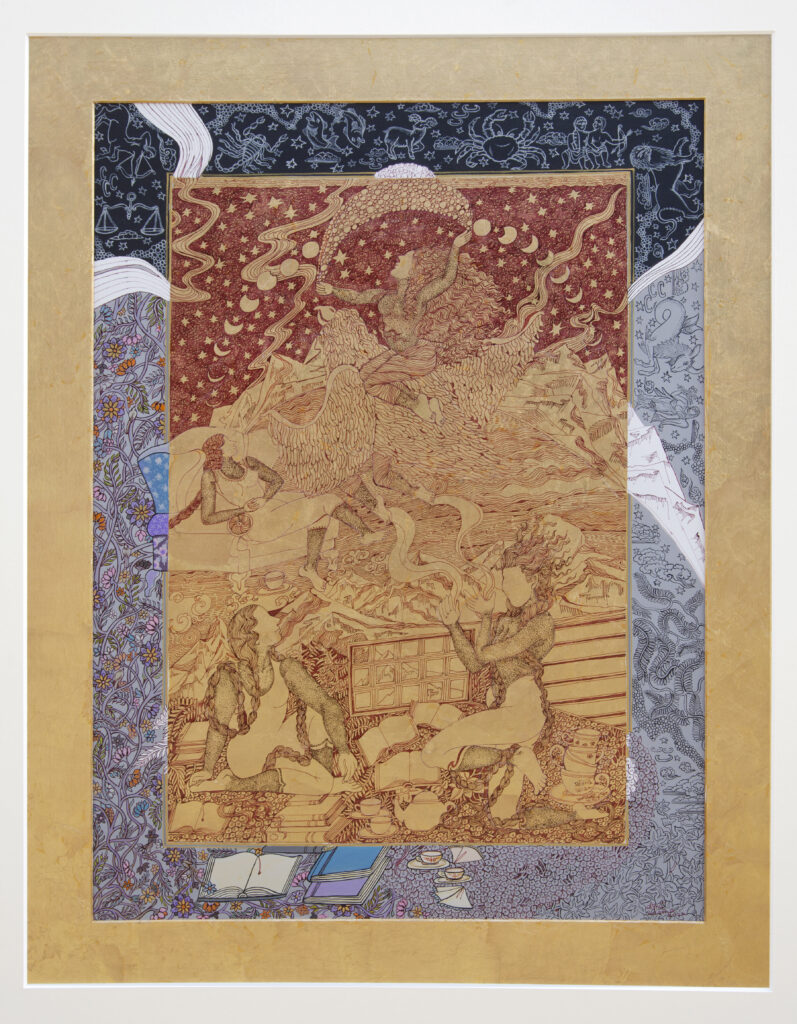
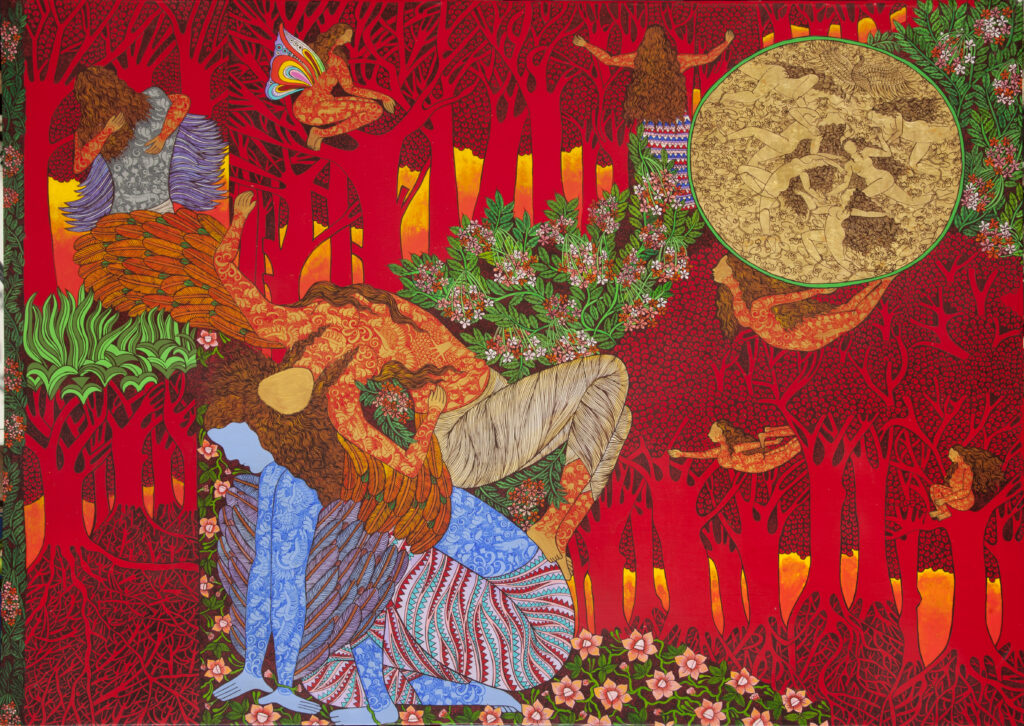
Kohli’s work was grounded in an understanding of matter as active and generative. Clay, wood, paper, metal, pigment, and light were treated not as inert substances but as sites of transformation that registered time, touch, and resistance. This position aligned her practice with materialist and post-phenomenological thinking, in which matter was understood as relational and dynamic, embodied and reciprocal rather than passive. The works retained visible traces of their making, treating process as knowledge and material as a site of memory, imagination, and transformation.
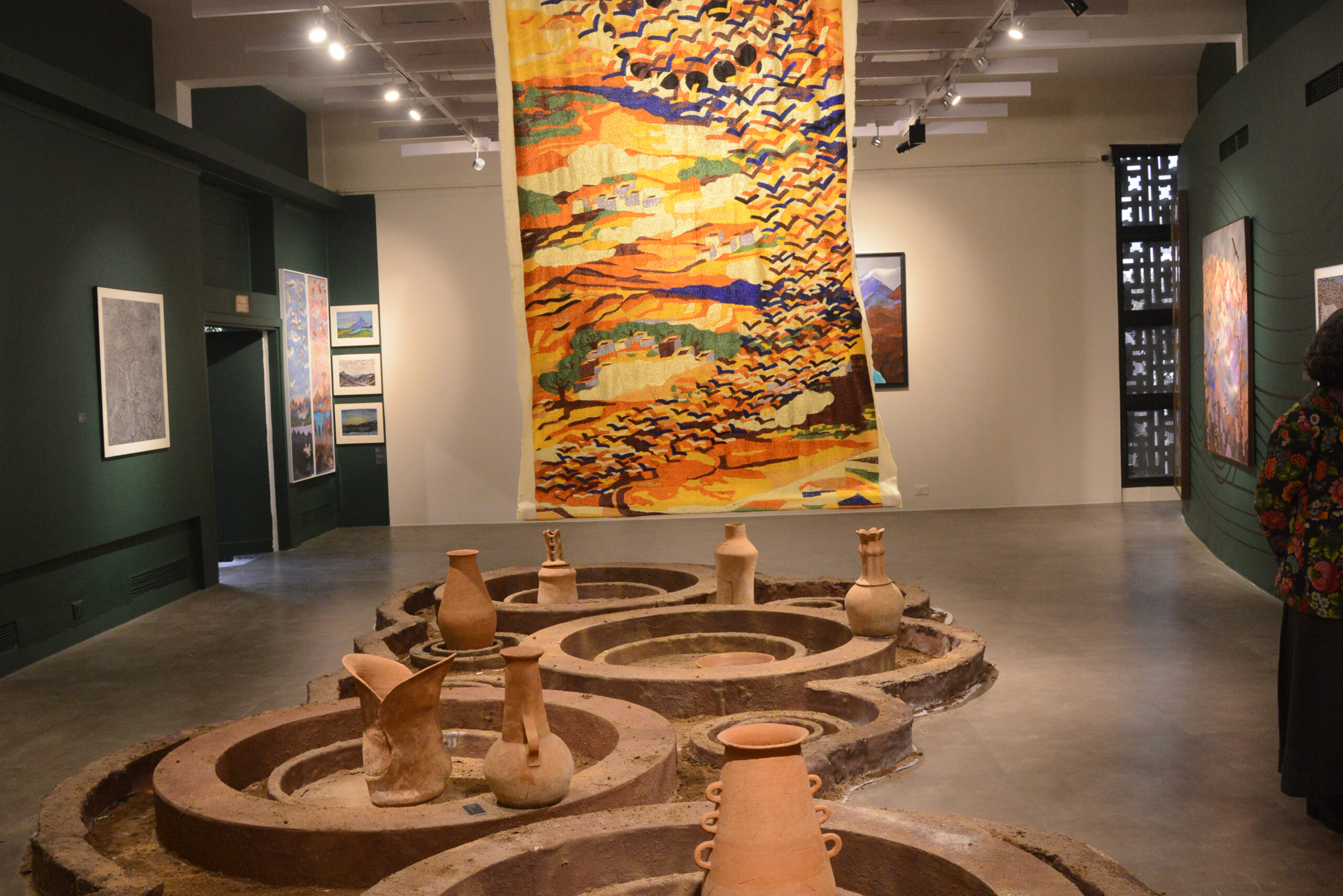
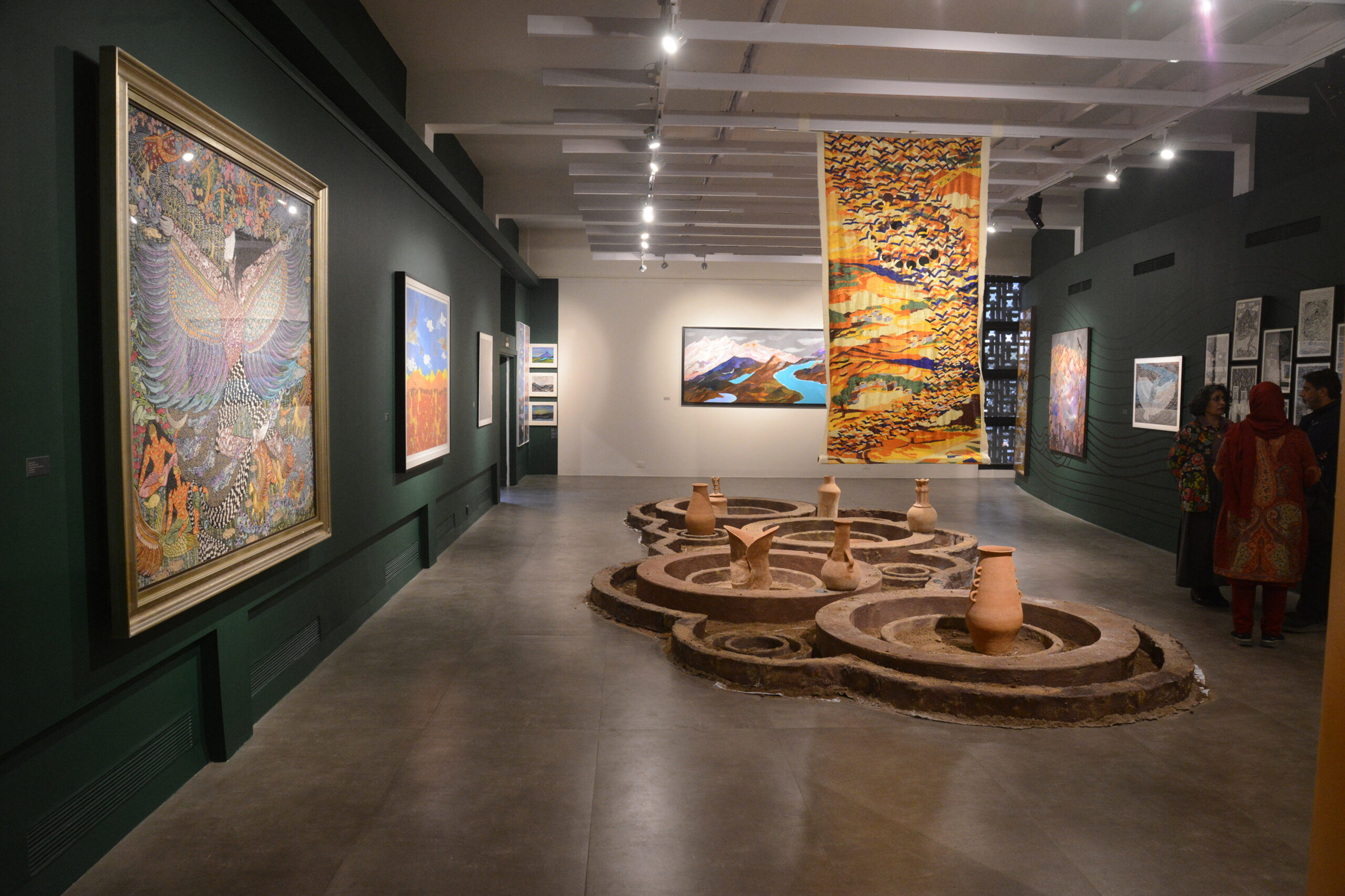
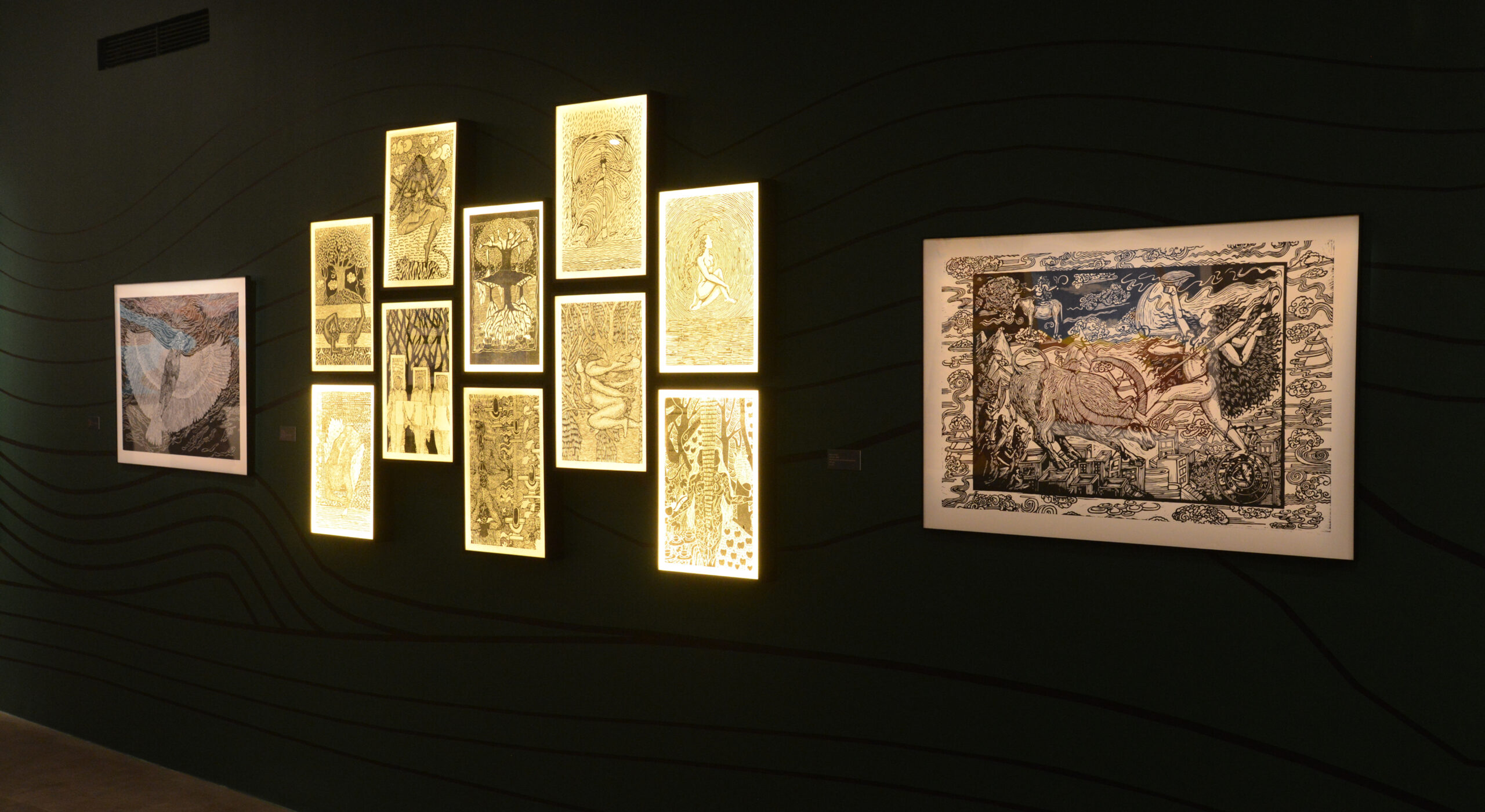
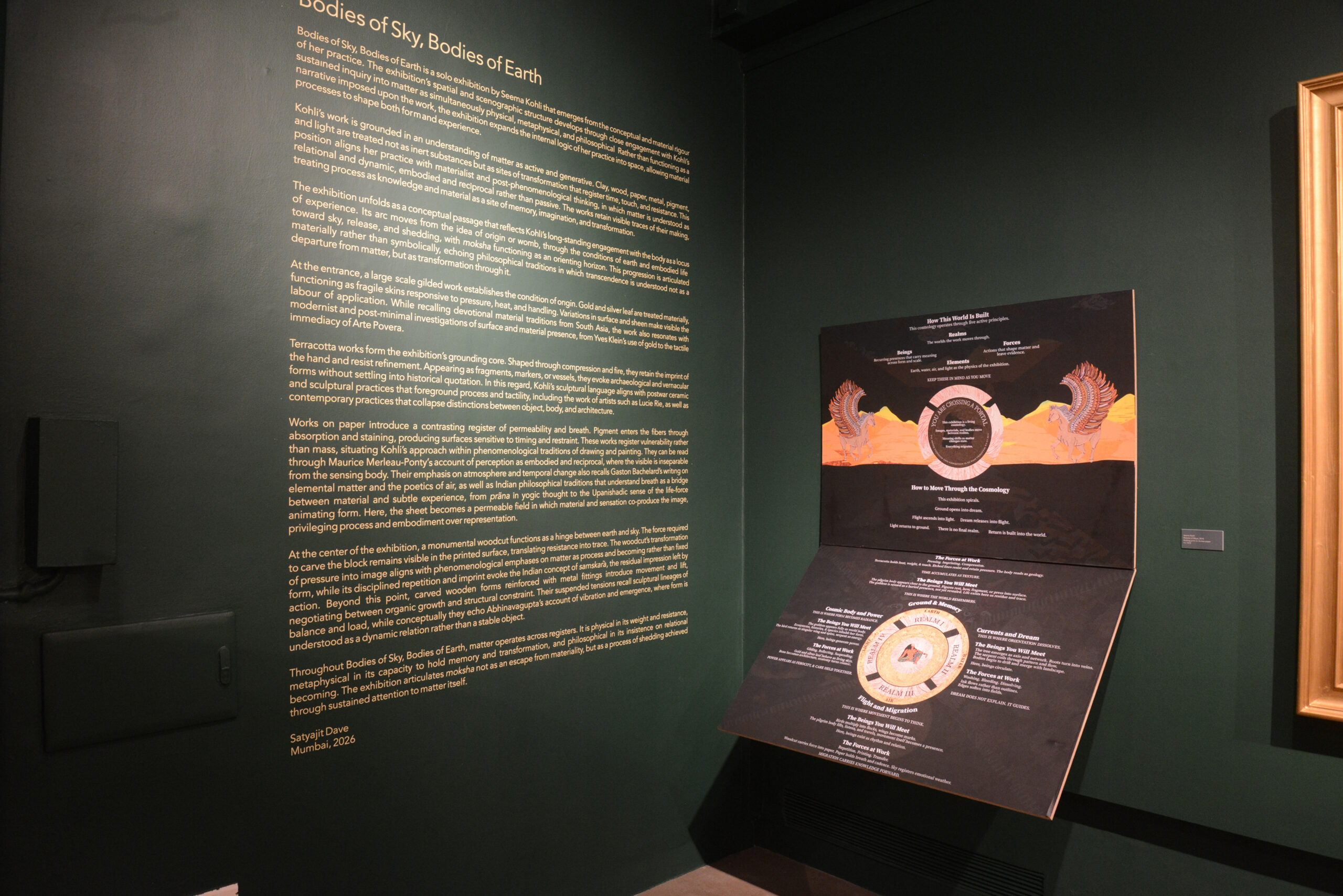
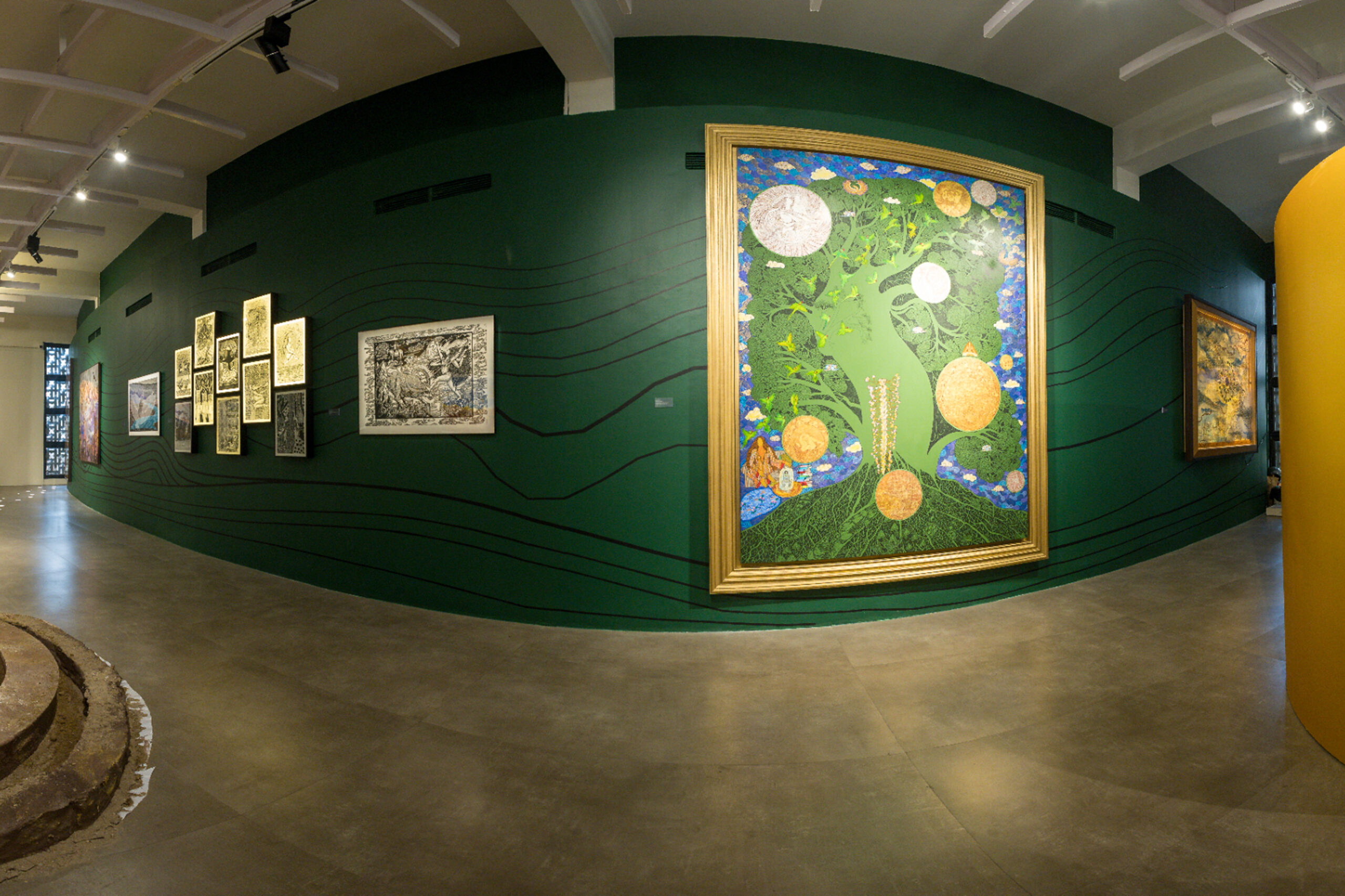
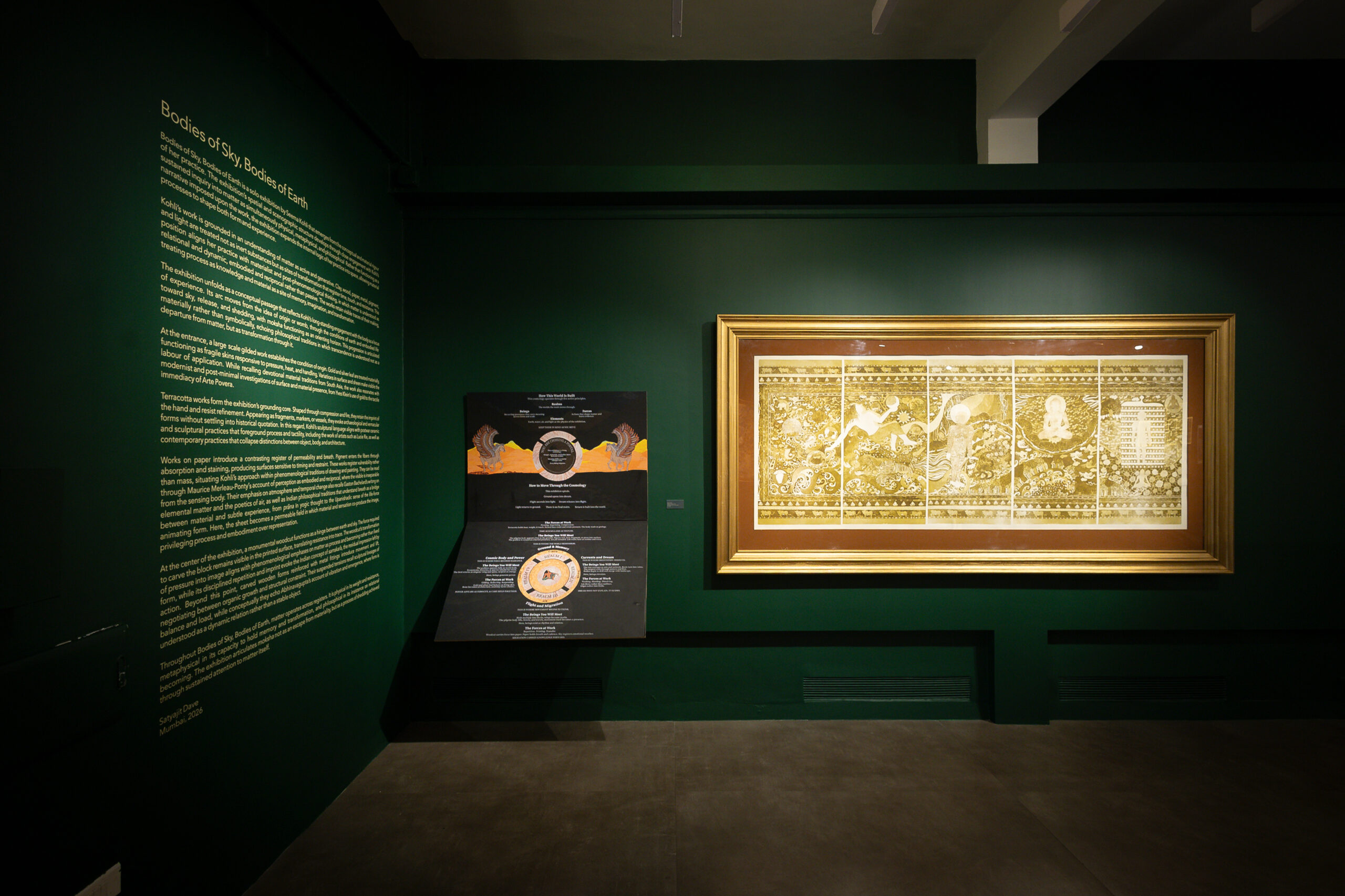
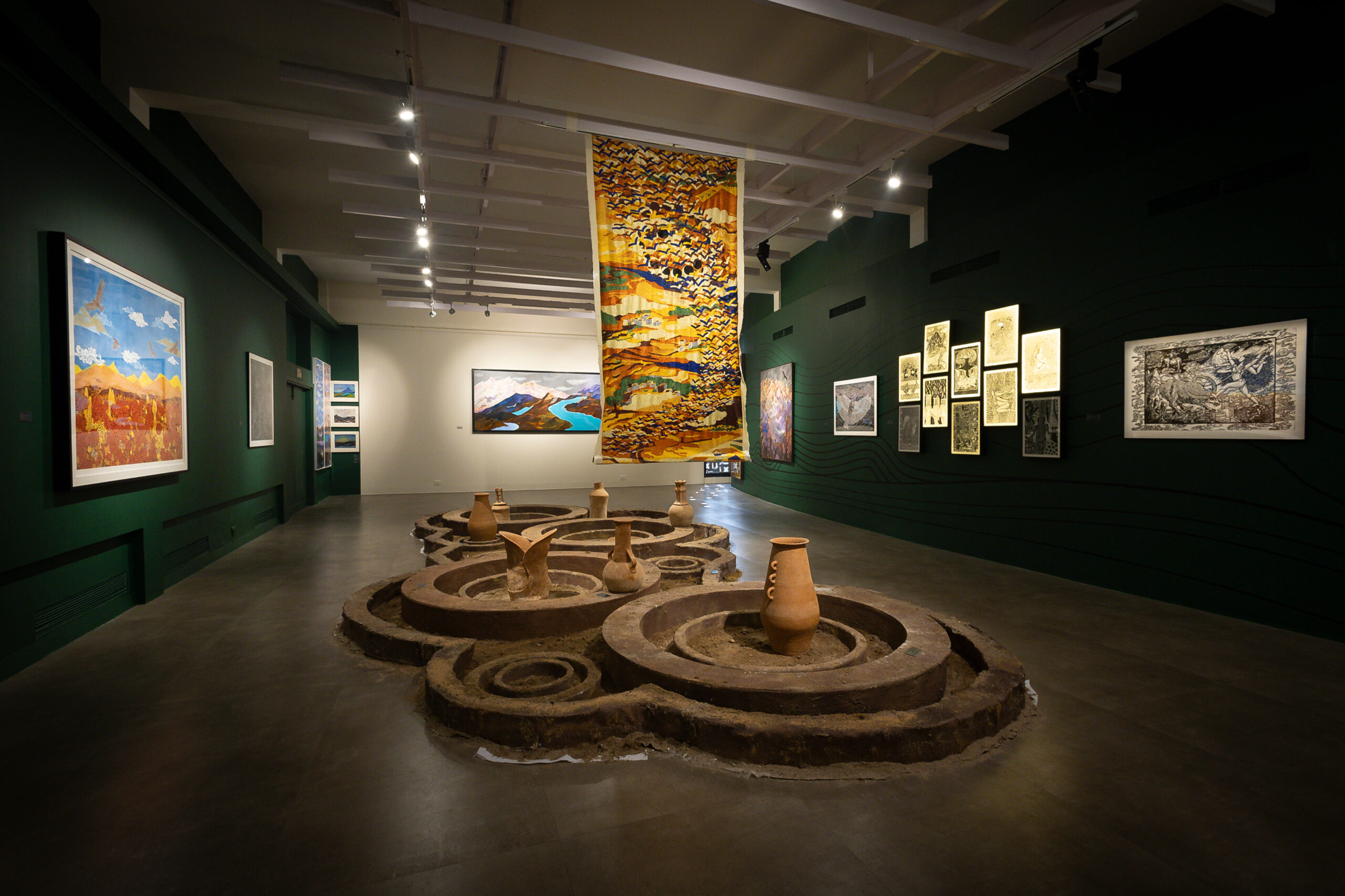
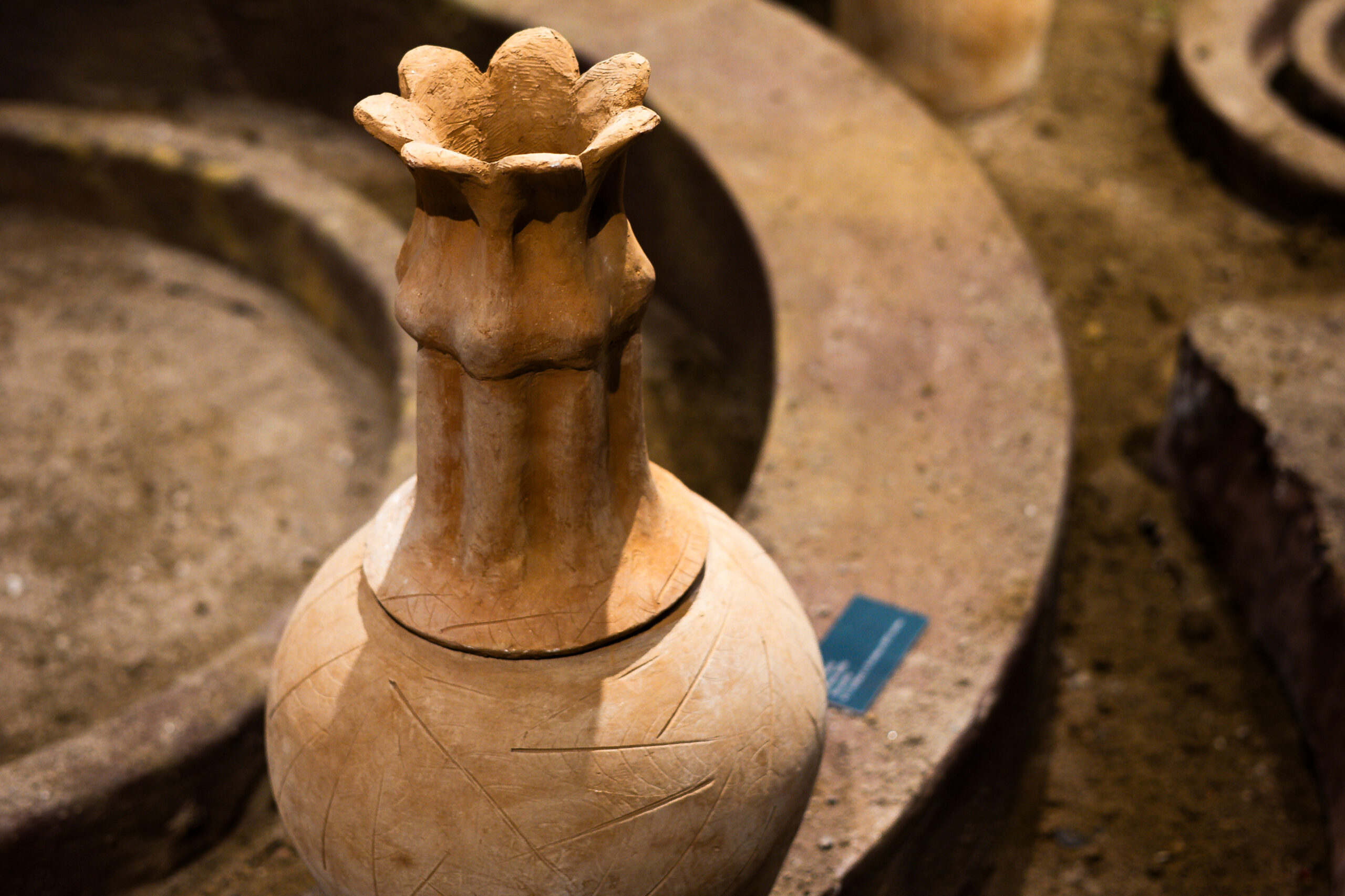
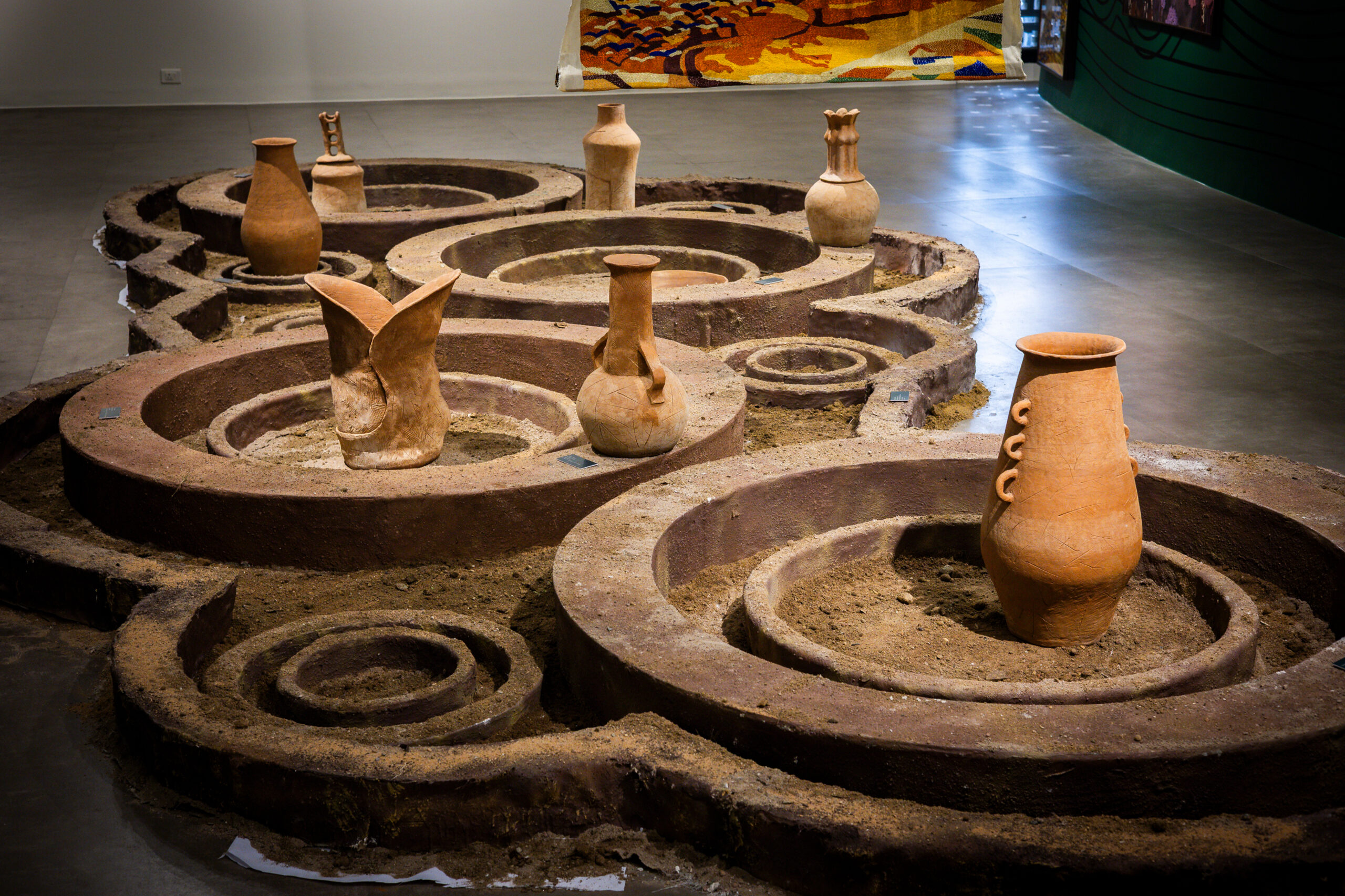
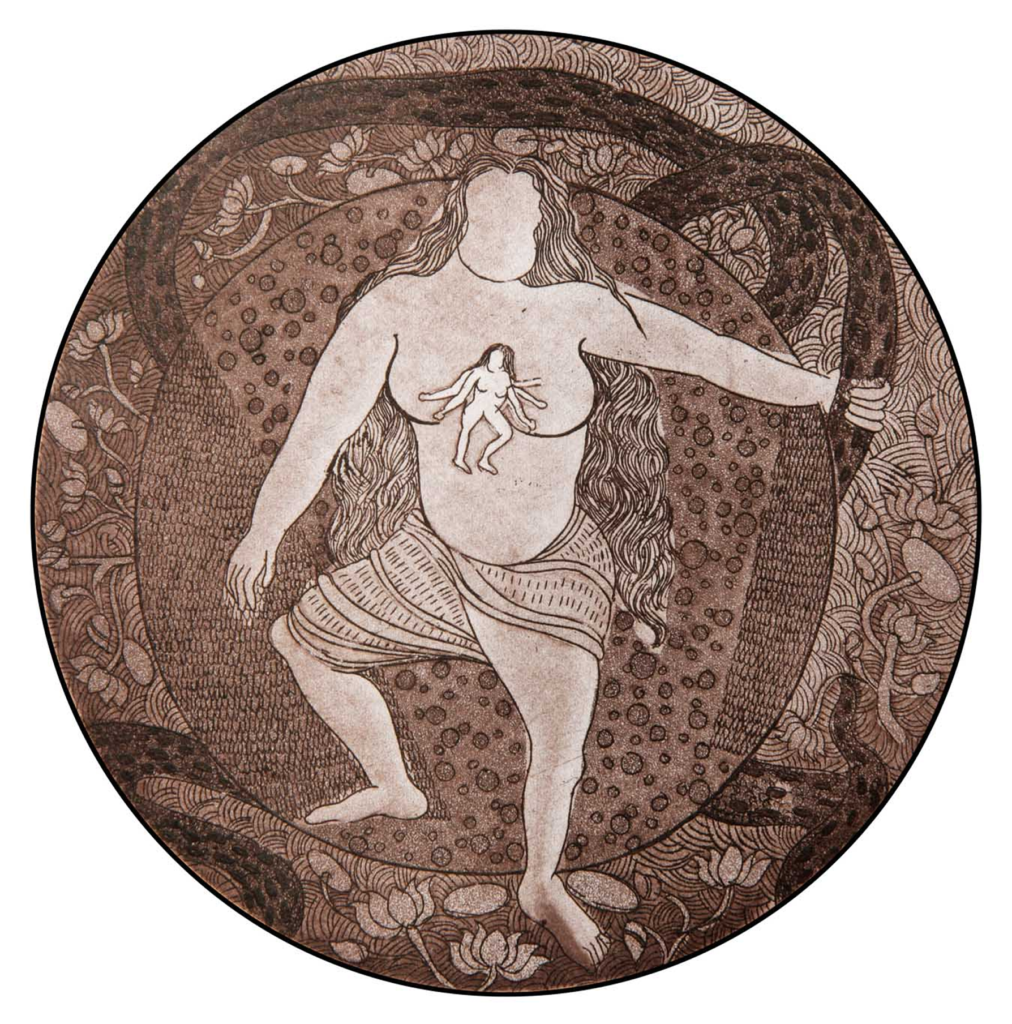
The exhibition unfolded as a conceptual passage that reflected Kohli’s long-standing engagement with the body as a locus of experience. Its arc moved from the idea of origin or womb, through the conditions of earth and embodied life, toward sky, release, and shedding, with moksha functioning as an orienting horizon. This progression was articulated materially rather than symbolically, echoing philosophical traditions in which transcendence was understood not as a departure from matter, but as transformation through it.
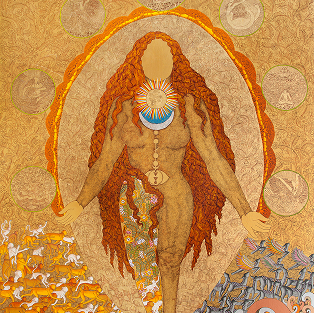
At the entrance, a large-scale gilded work established the condition of origin. Gold and silver leaf were treated materially, functioning as fragile skins responsive to pressure, heat, and handling. Variations in surface and sheen made visible the labor of application. While recalling devotional material traditions from South Asia, the work also resonated with modernist and post-minimal investigations of surface and material presence, from Yves Klein’s use of gold to the tactile immediacy of Arte Povera.
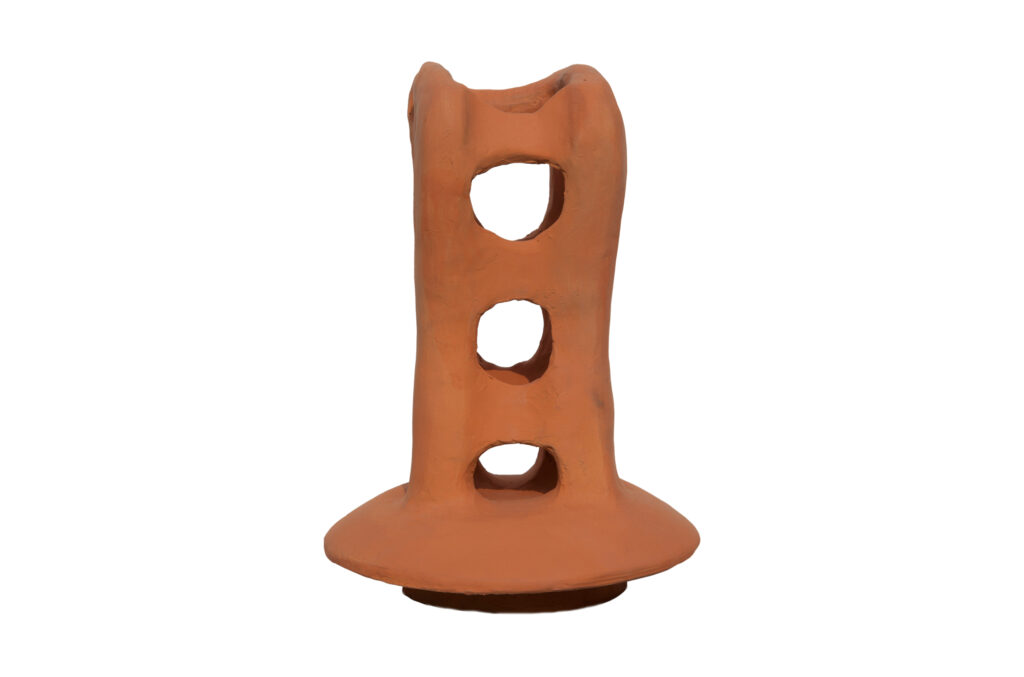
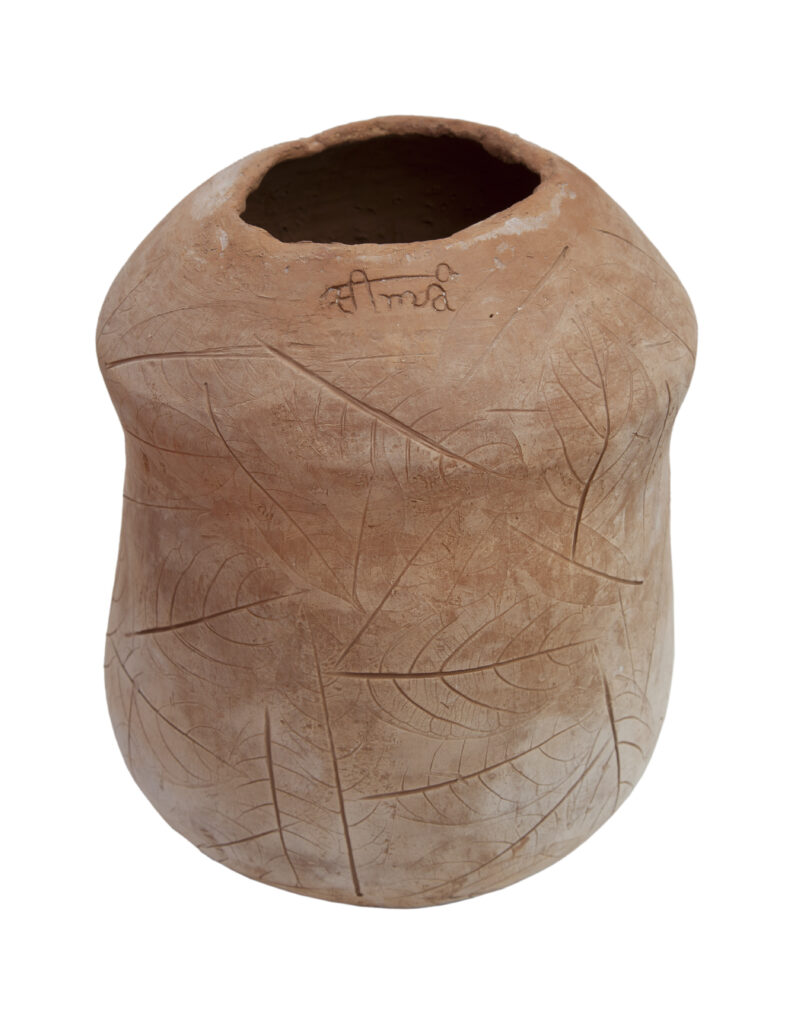
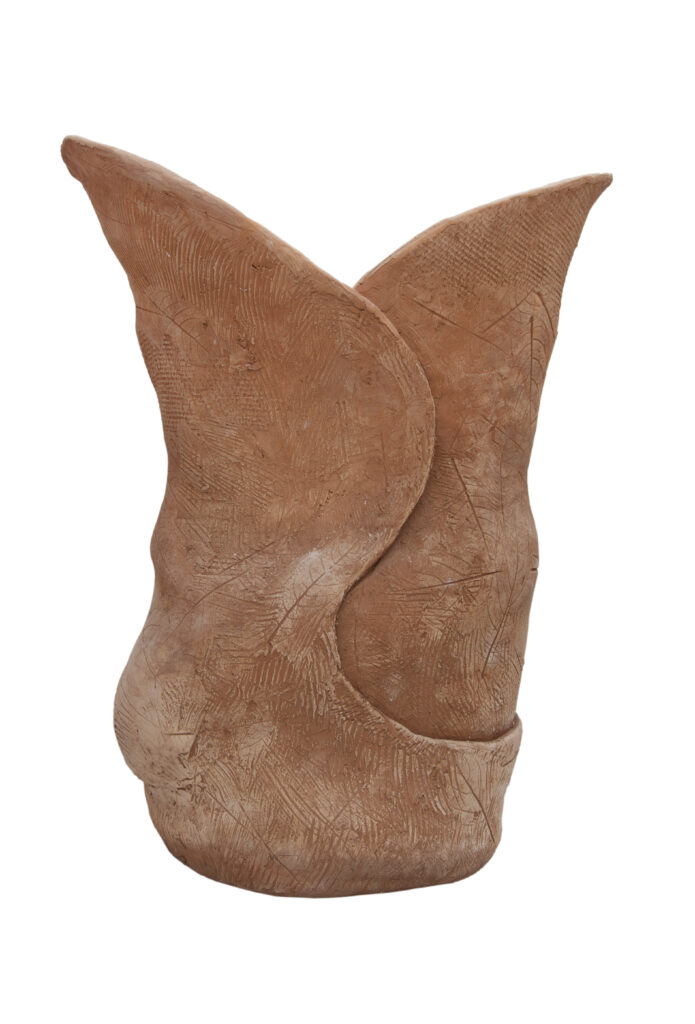
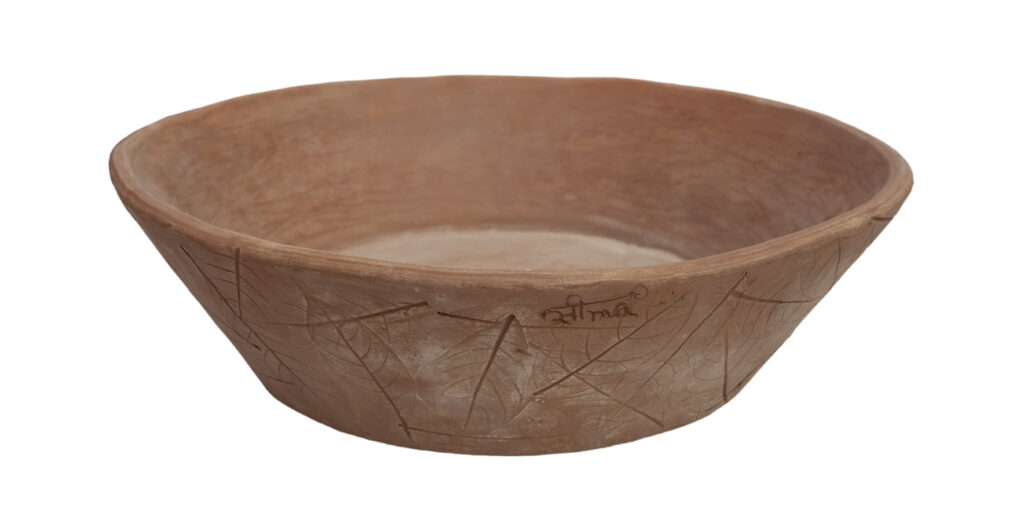
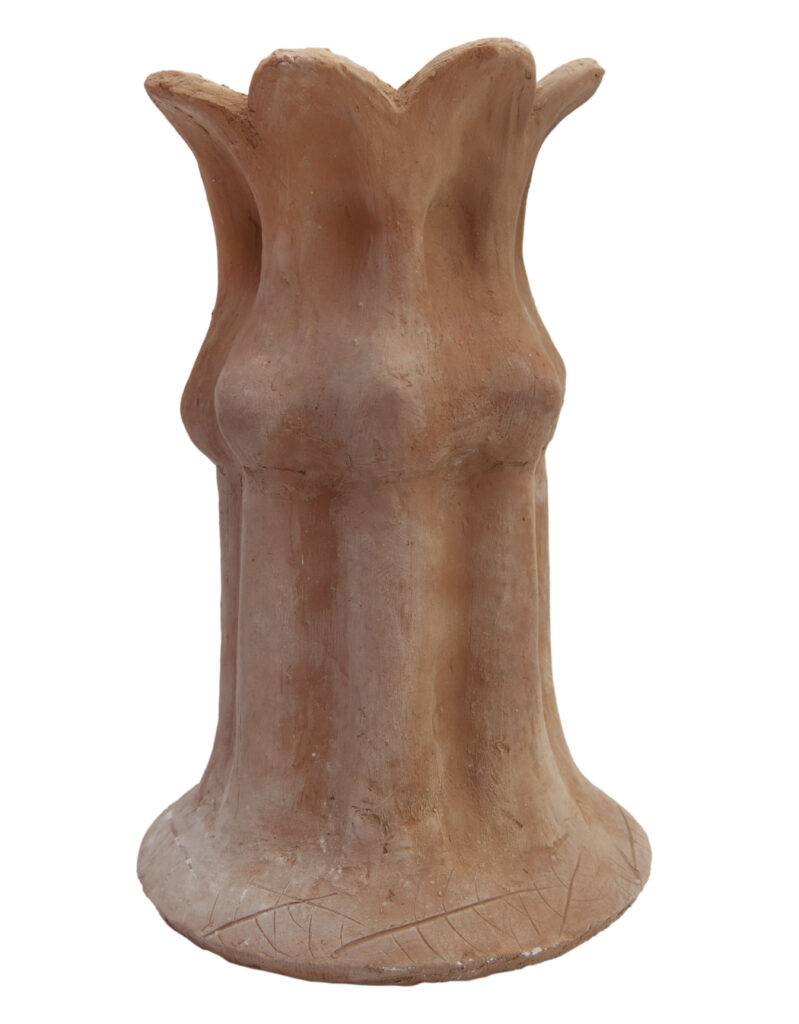
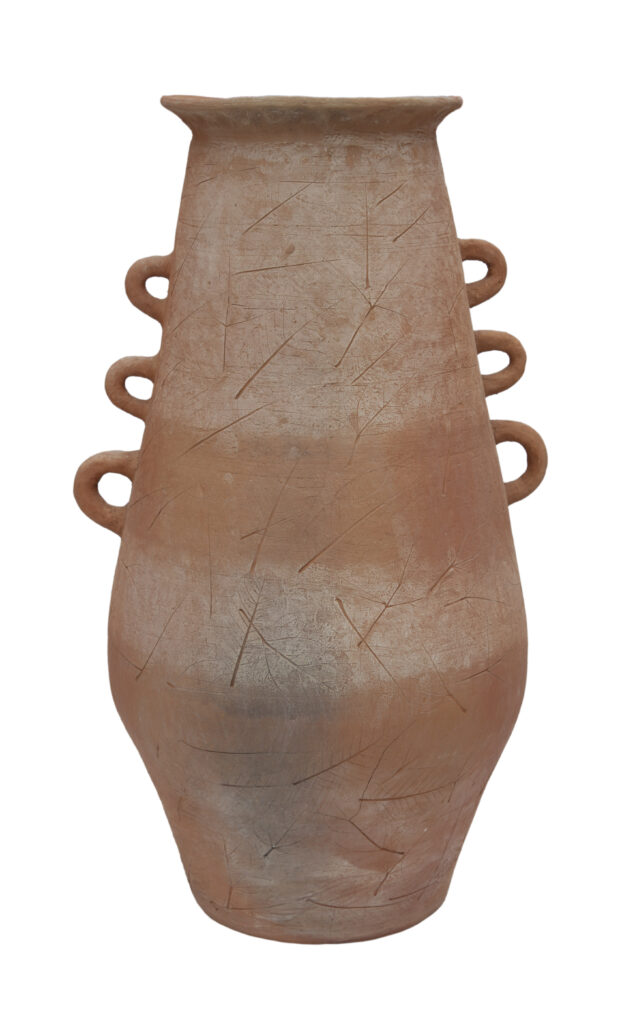
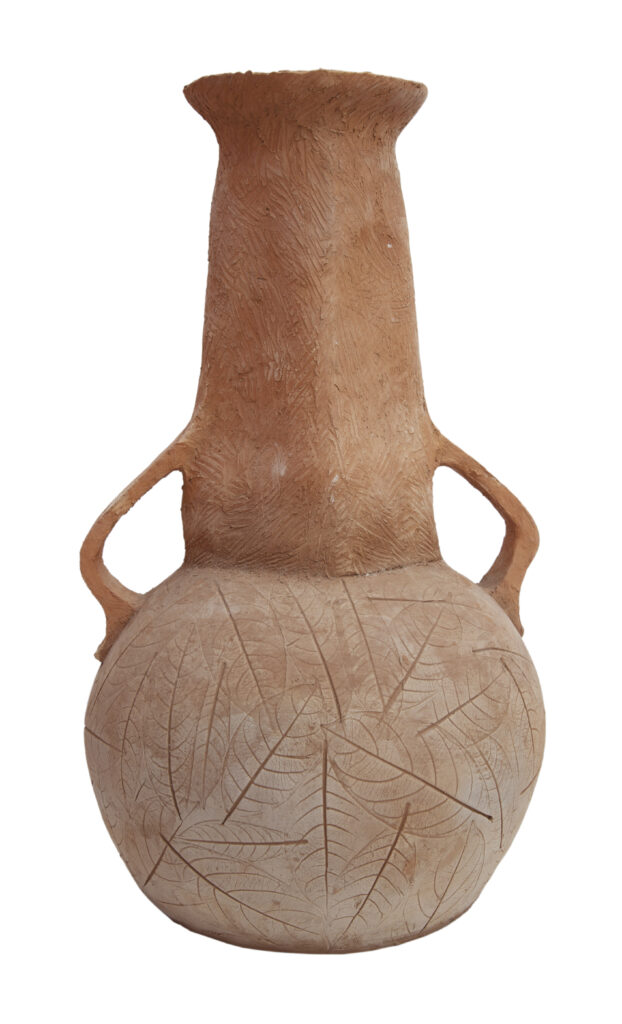
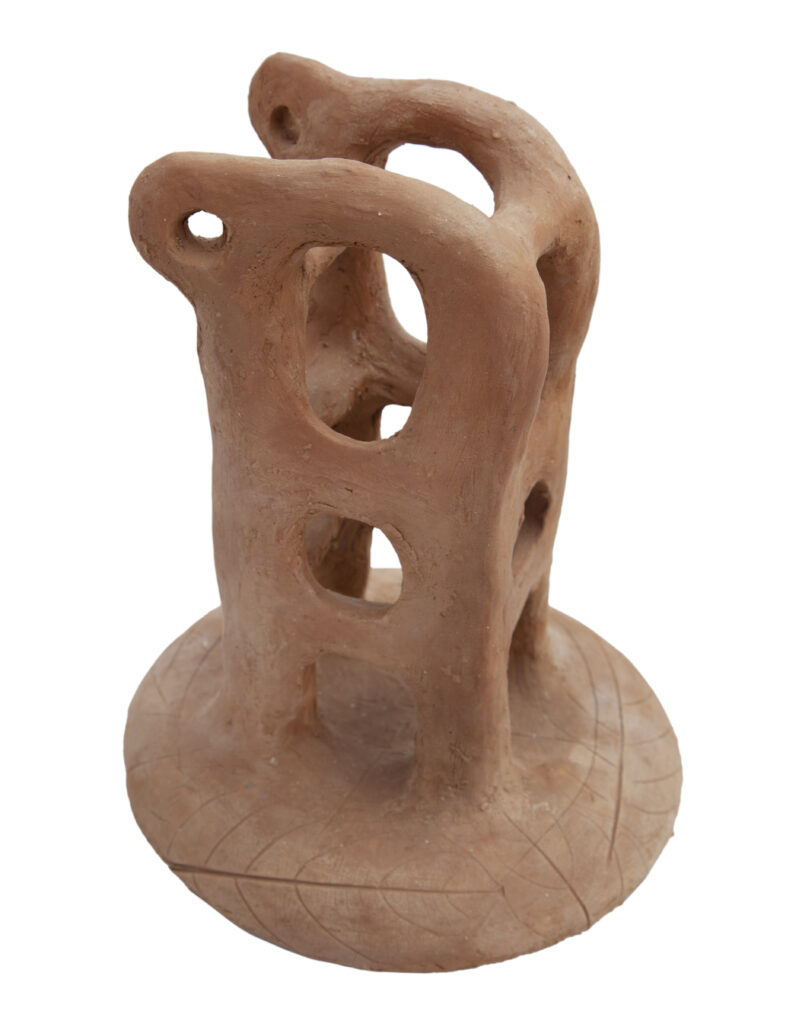
Terracotta works formed the exhibition’s grounding core. Shaped through compression and fire, they retained the imprint of the hand and resisted refinement. Appearing as fragments, markers, or vessels, they evoked archaeological and vernacular forms without settling into historical quotation. In this regard, Kohli’s sculptural language aligned with postwar ceramic and sculptural practices that foregrounded process and tactility, including the work of artists such as Lucie Rie, as well as contemporary practices that collapsed distinctions between object, body, and architecture.
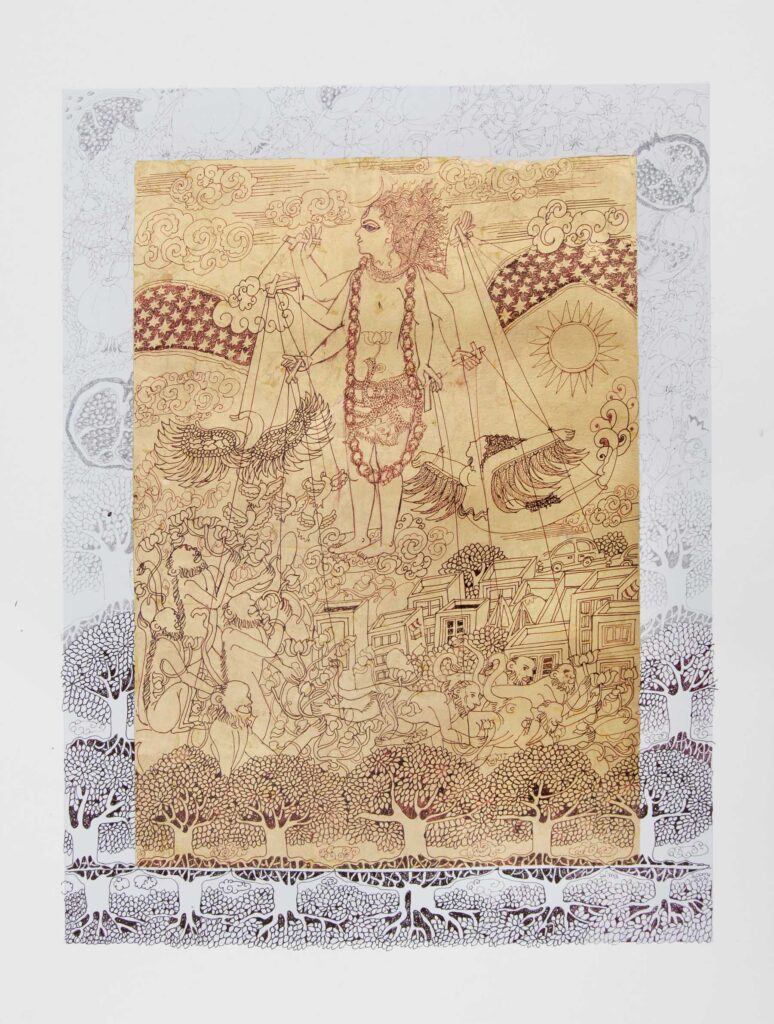
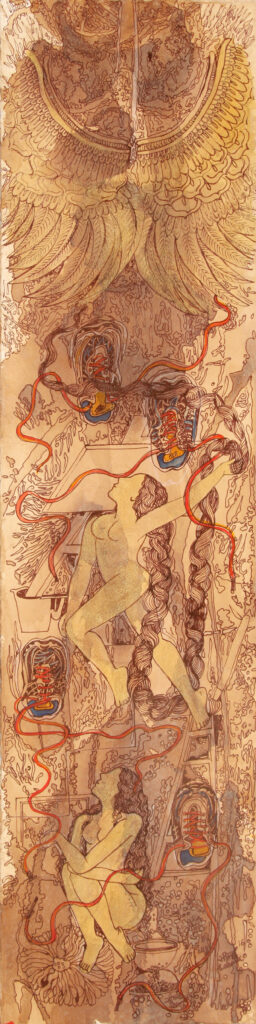
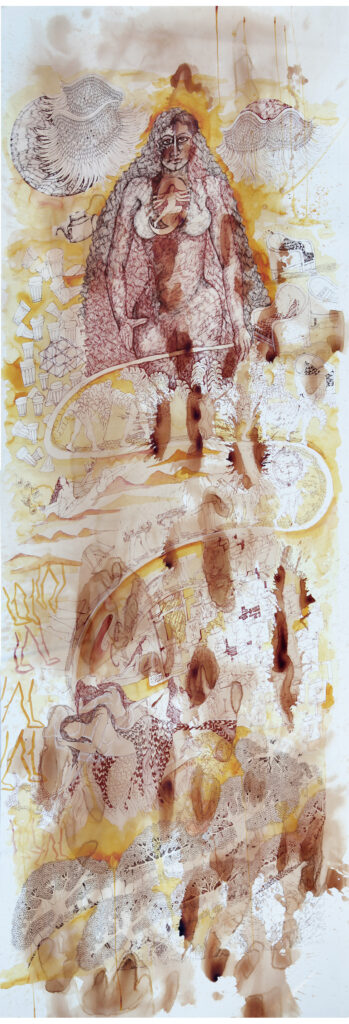
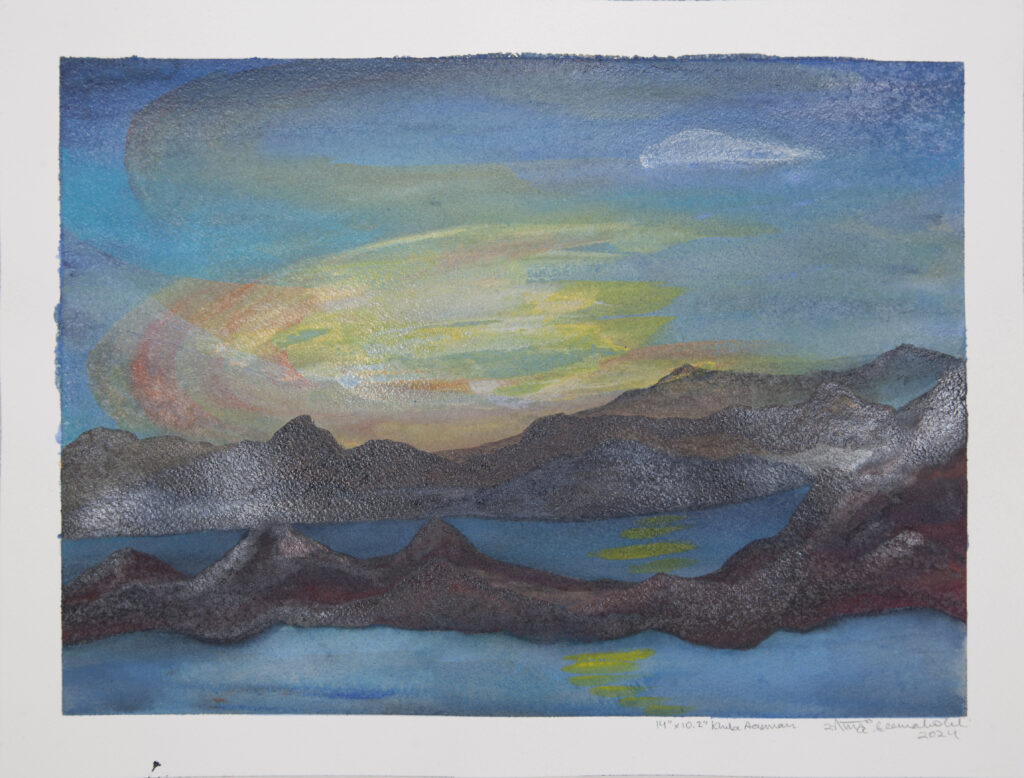
Works on paper introduced a contrasting register of permeability and breath. Pigment entered the fibers through absorption and staining, producing surfaces sensitive to timing and restraint. These works registered vulnerability rather than mass, situating Kohli’s approach within phenomenological traditions of drawing and painting. They could be read through Maurice Merleau-Ponty’s account of perception as embodied and reciprocal, where the visible was inseparable from the sensing body. Their emphasis on atmosphere and temporal change also recalled Gaston Bachelard’s writing on elemental matter and the poetics of air, as well as Indian philosophical traditions that understood breath as a bridge between material and subtle experience, from prāṇa in yogic thought to the Upanishadic sense of the life-force animating form.
Here, the sheet became a permeable field in which material and sensation co-produced the image, privileging process and embodiment over representation.
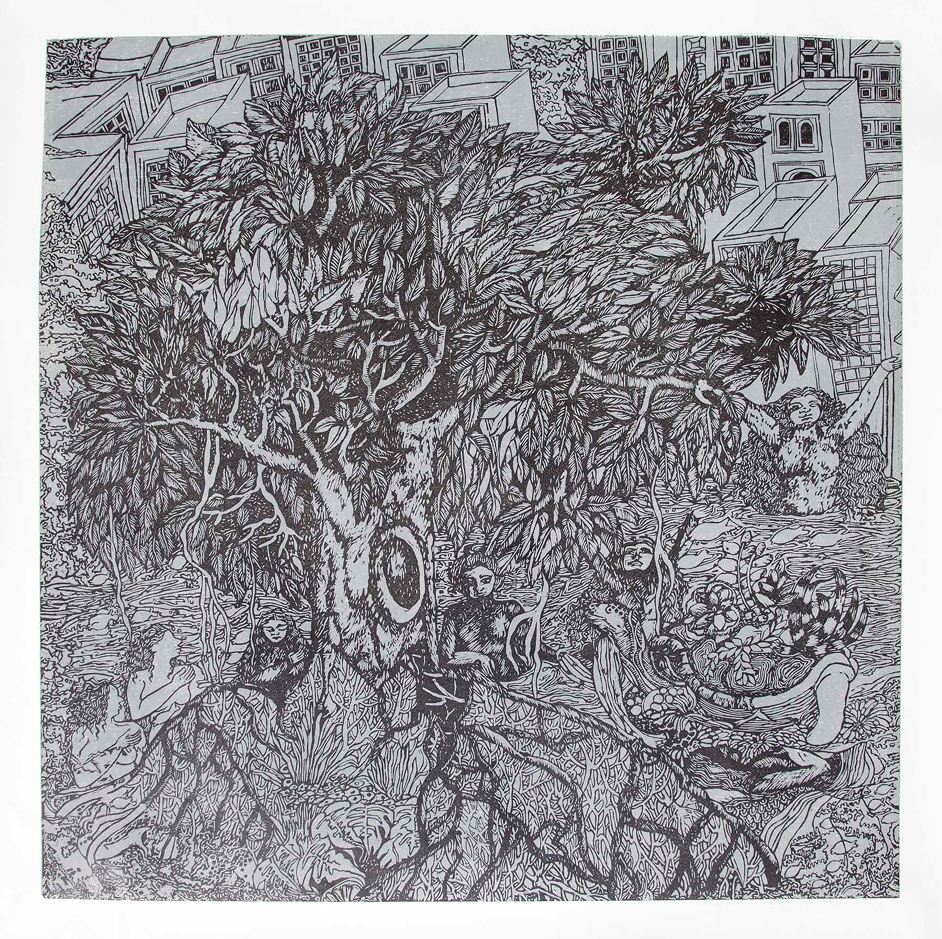
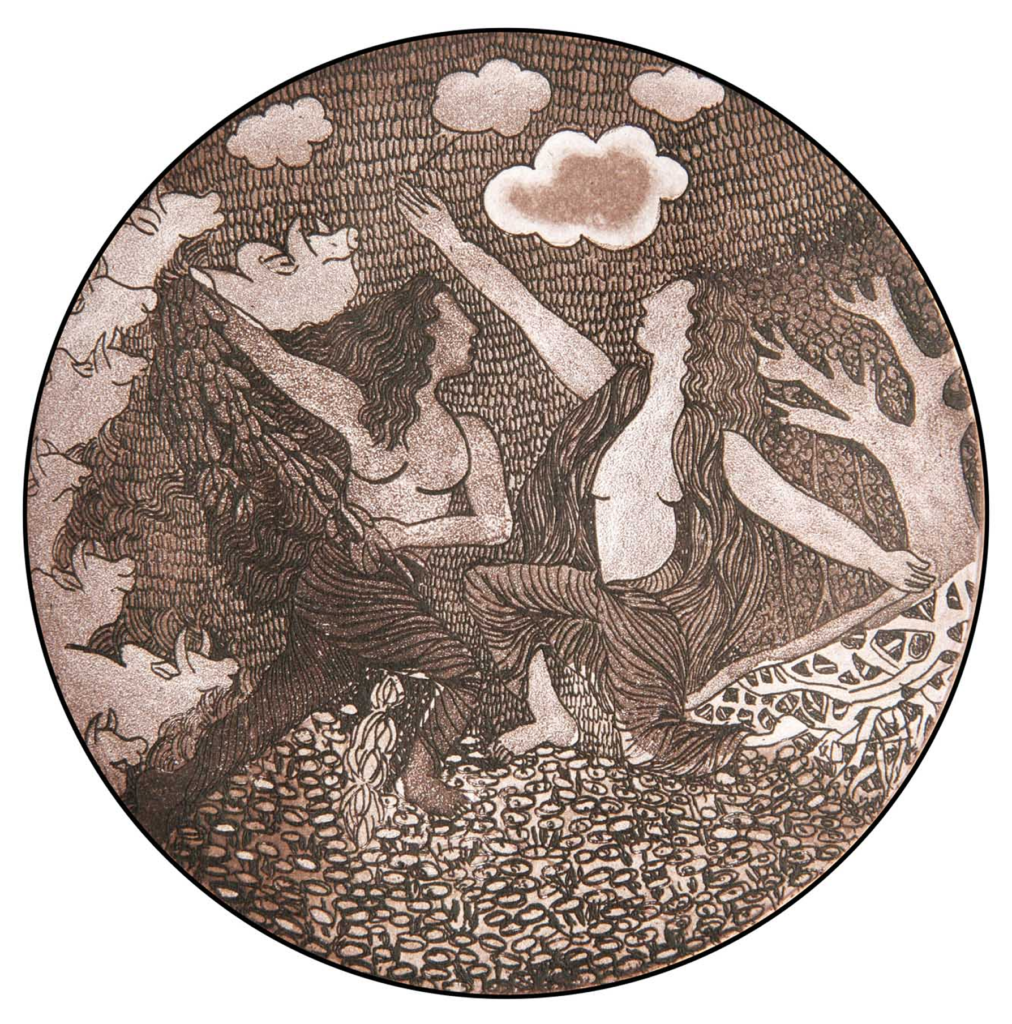
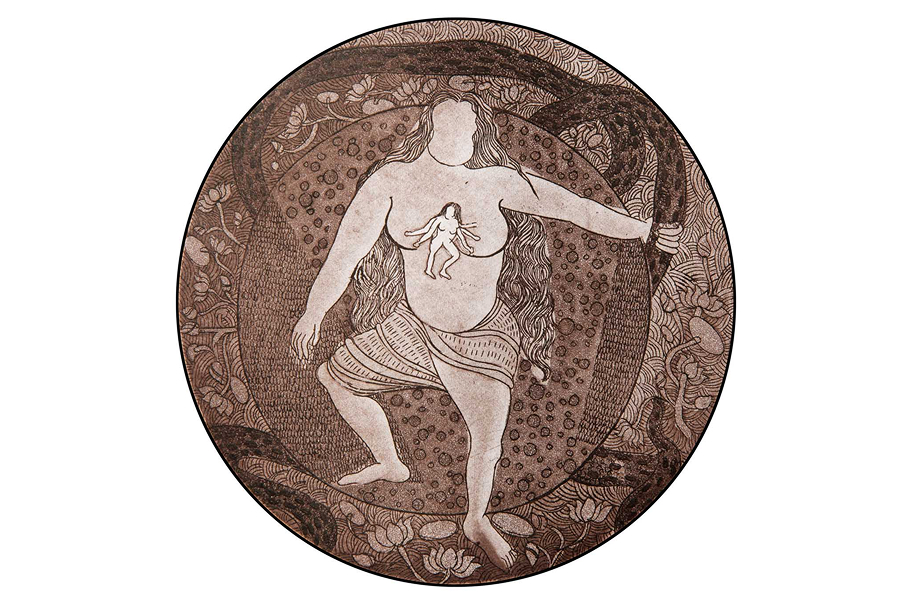
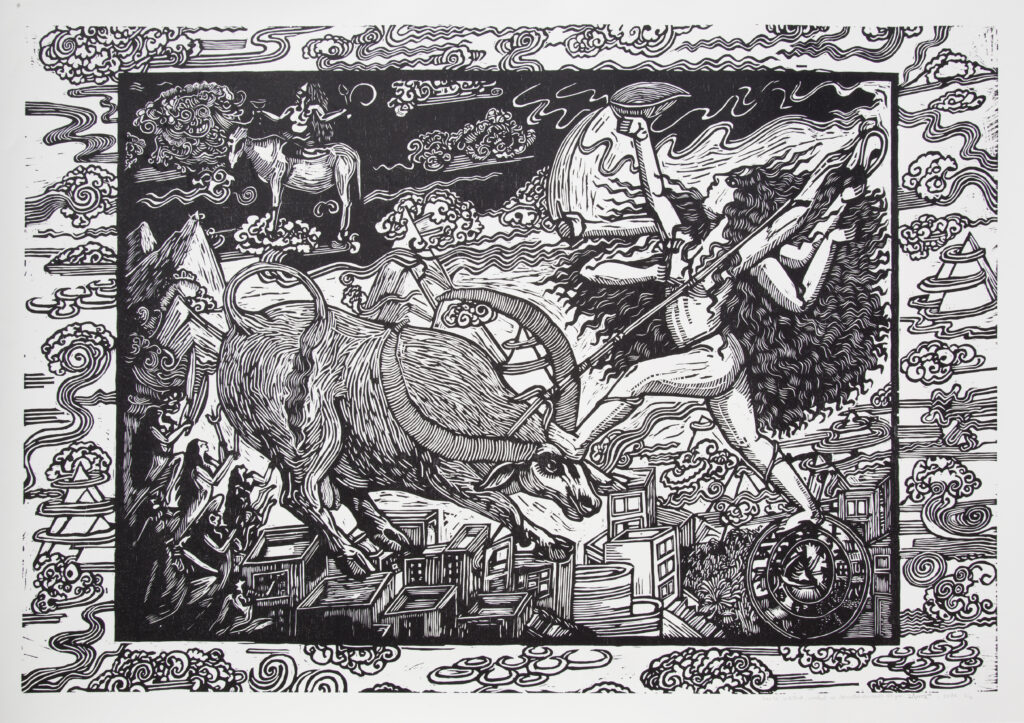
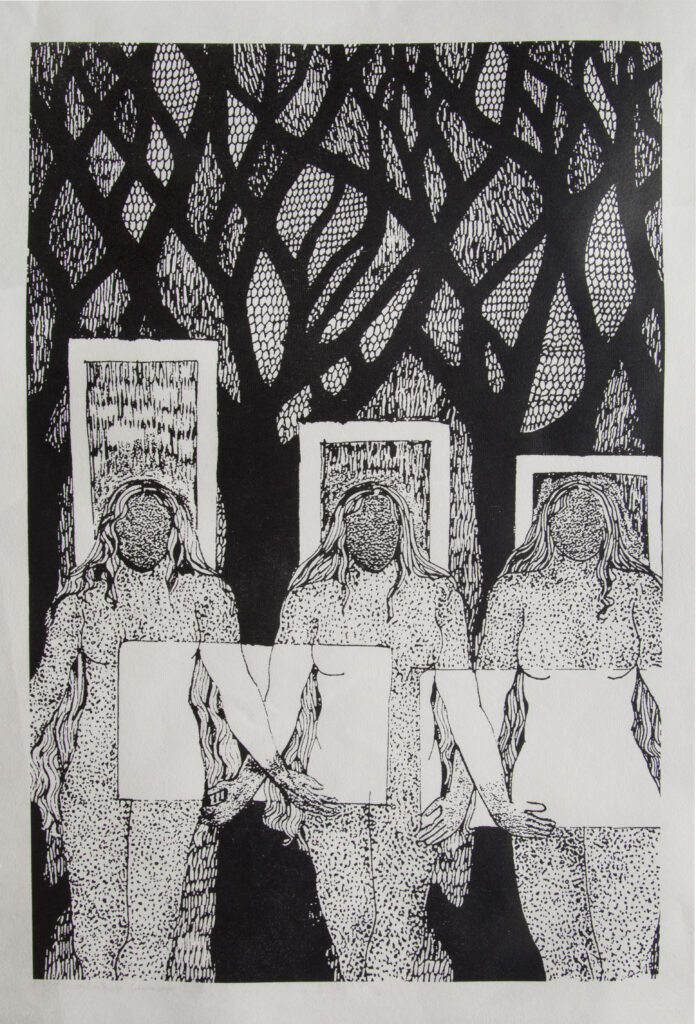
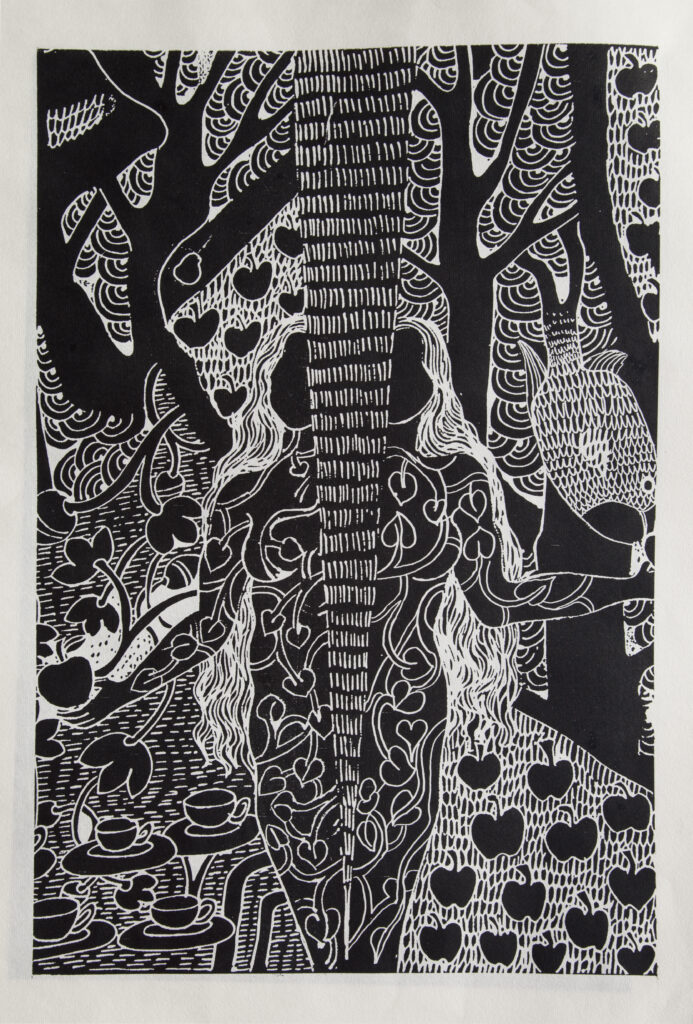
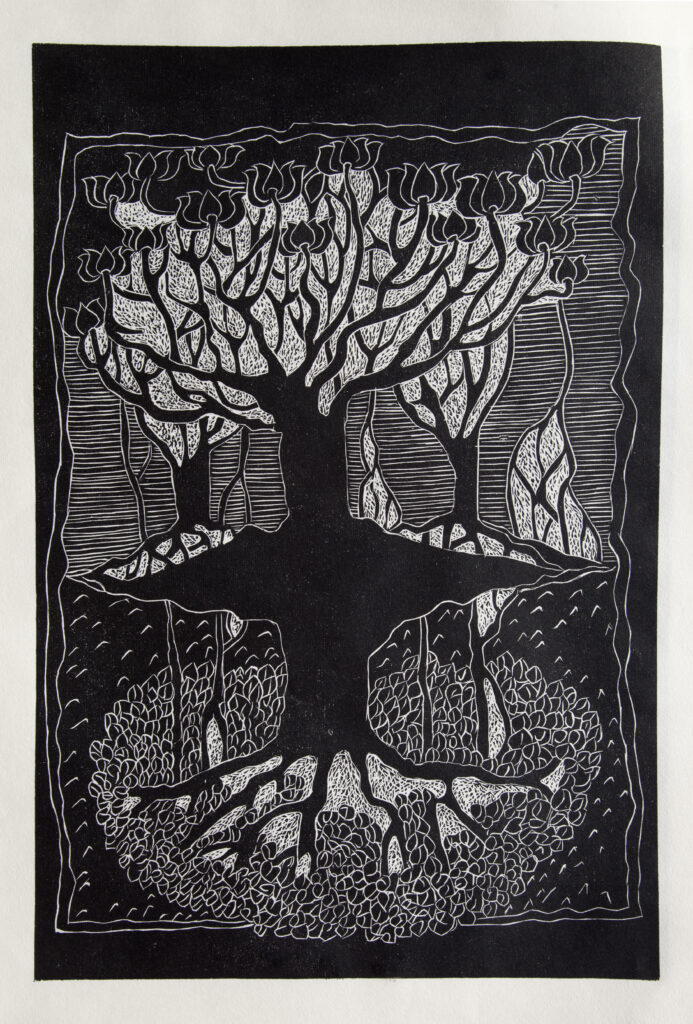
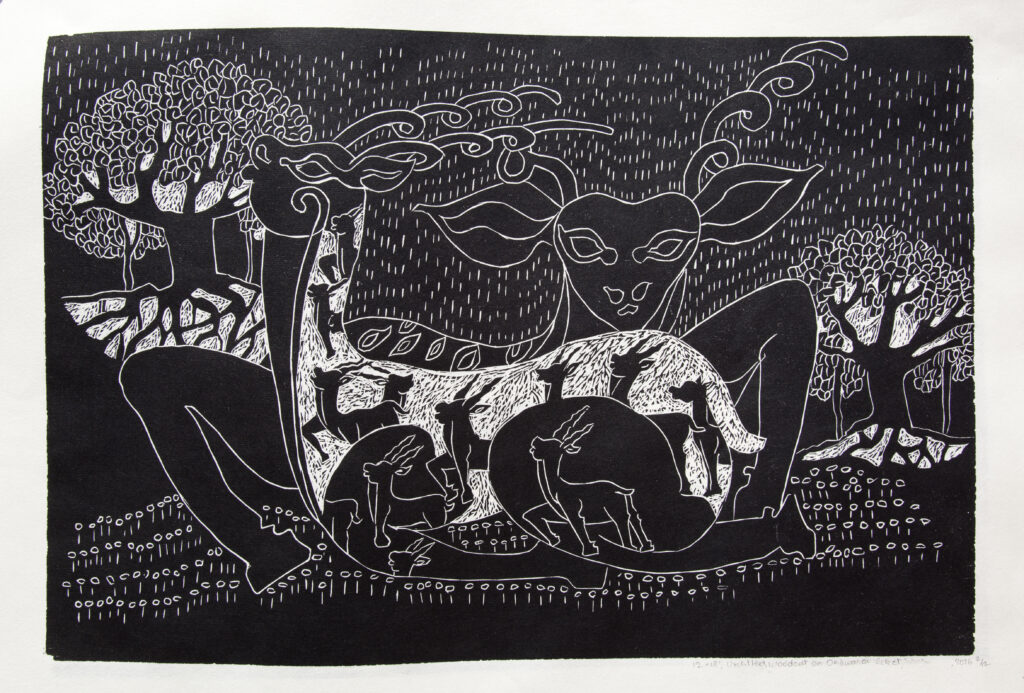
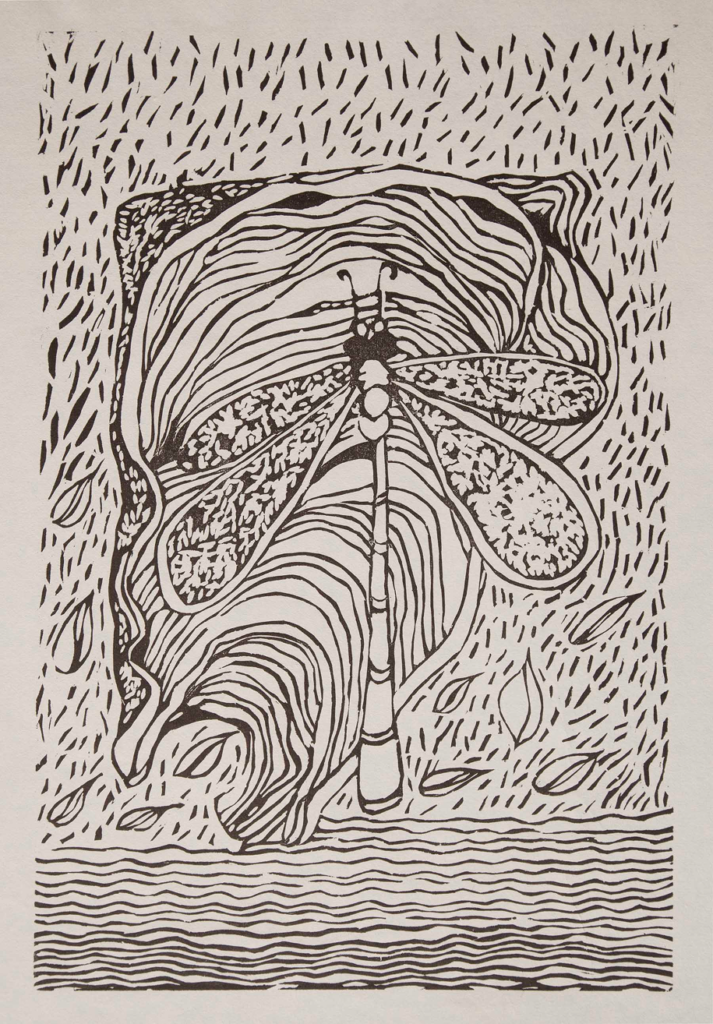
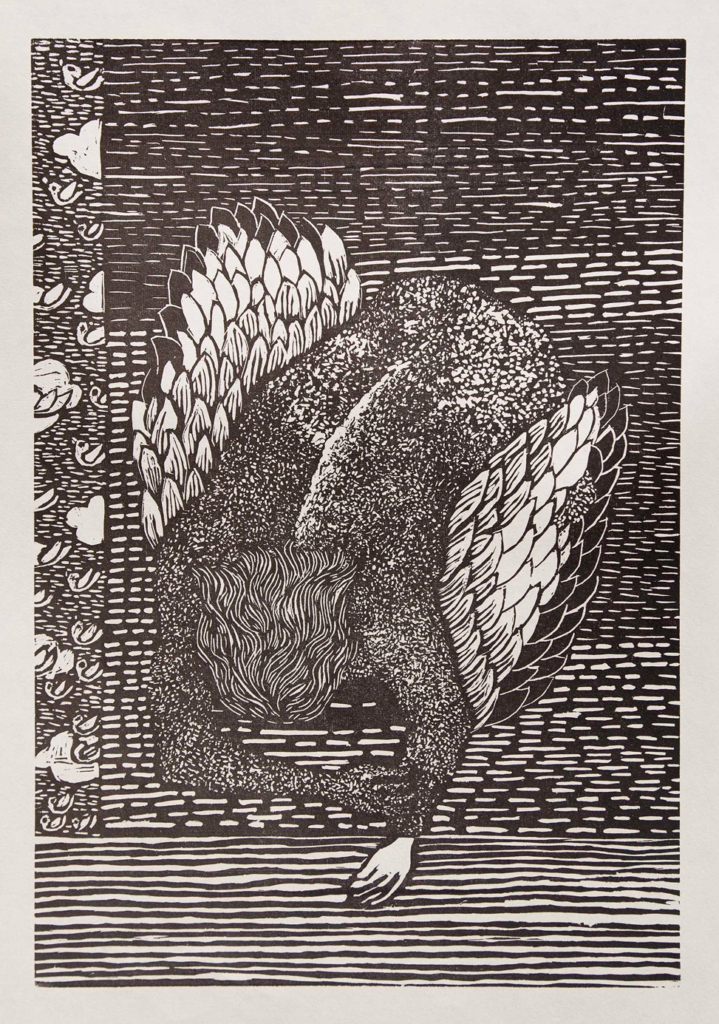
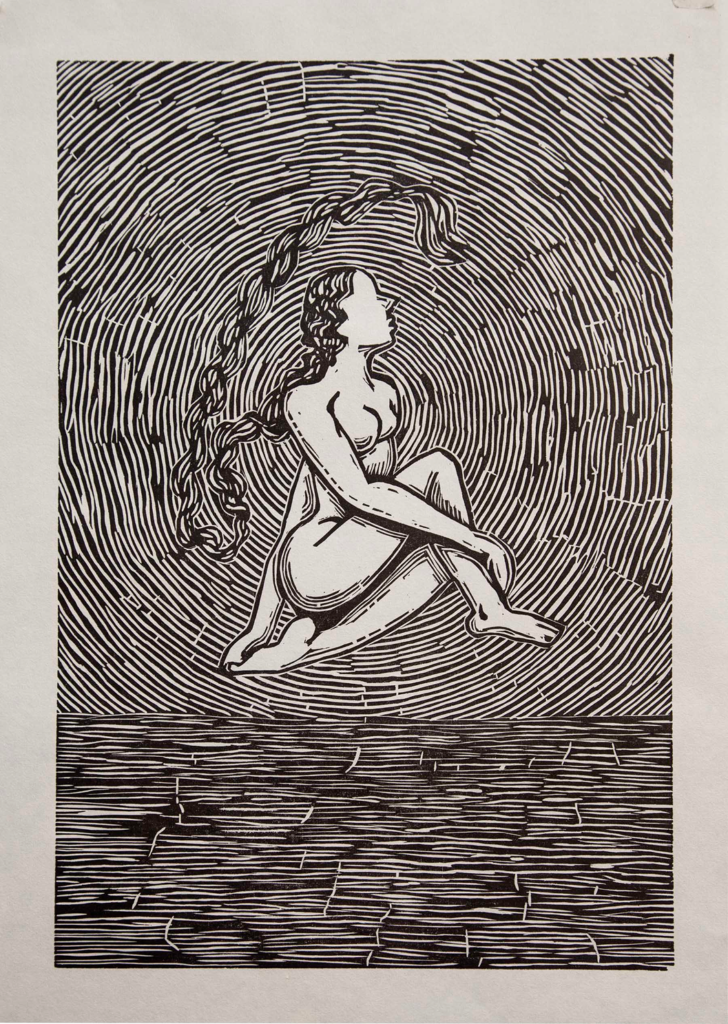
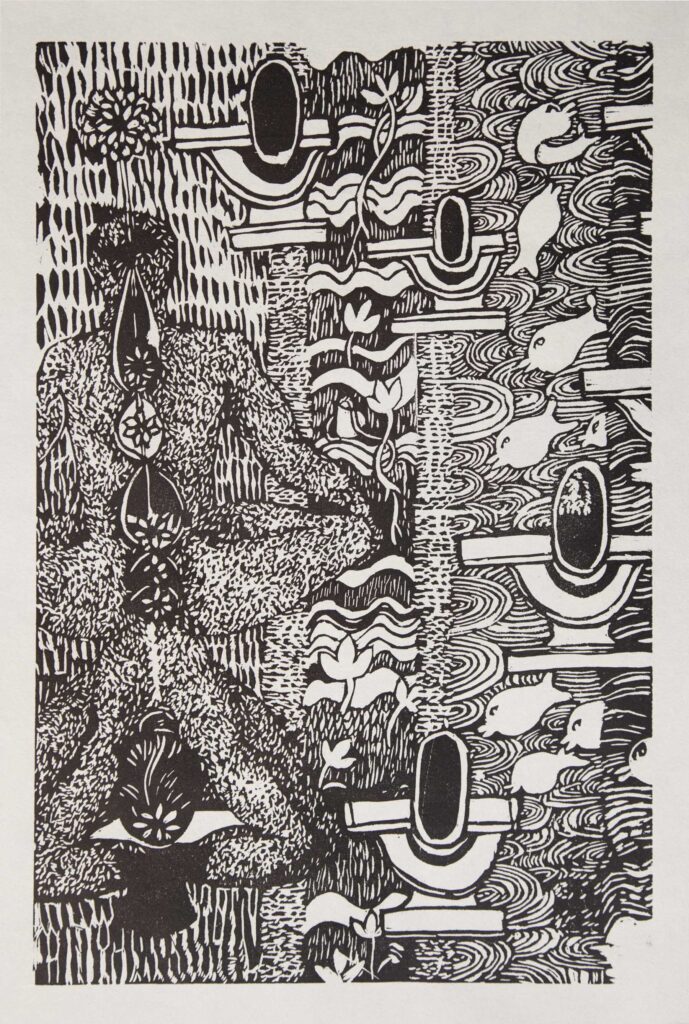
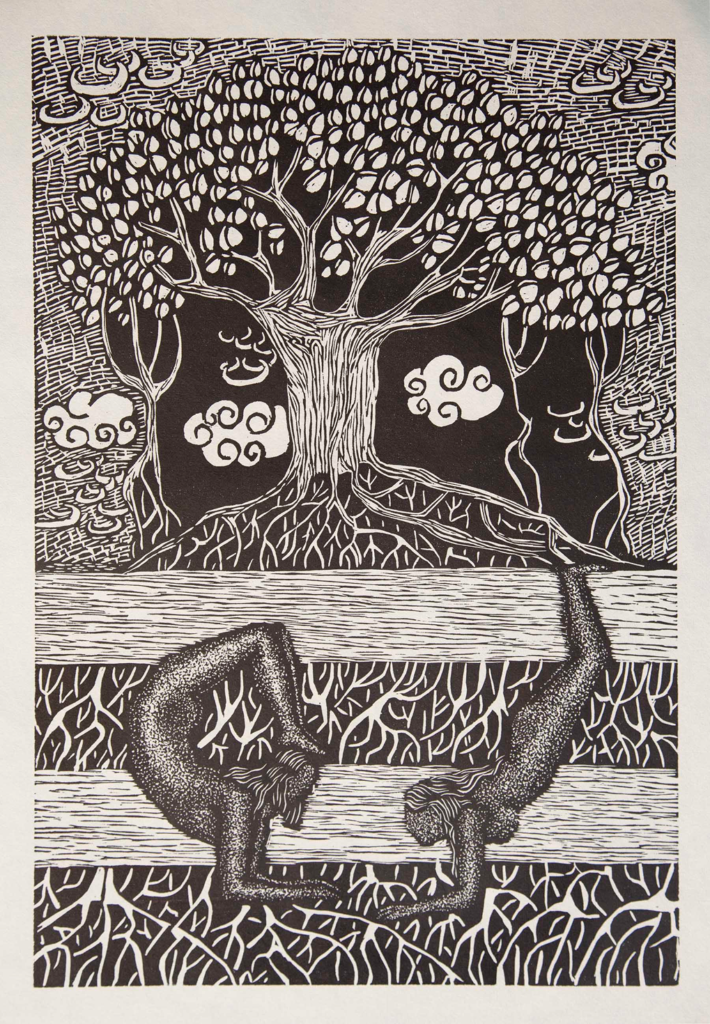
At the center of the exhibition, a monumental woodcut functioned as a hinge between earth and sky. The force required to carve the block remained visible in the printed surface, translating resistance into trace. The woodcut’s transformation of pressure into image aligned with phenomenological emphases on matter as process and becoming rather than fixed form, while its disciplined repetition and imprint evoked the Indian concept of saṁskāra, the residual impression left by action. Beyond this point, carved wooden forms reinforced with metal fittings introduced movement and lift, negotiating between organic growth and structural constraint. Their suspended tensions recalled sculptural lineages of balance and load, while conceptually they echoed Abhinavagupta’s account of vibration and emergence, where form was understood as a dynamic relation rather than a stable object.
Throughout Bodies of Sky, Bodies of Earth, matter operated across registers. It was physical in its weight and resistance, metaphysical in its capacity to hold memory and transformation, and philosophical in its insistence on relational becoming. The exhibition articulated moksha not as an escape from materiality, but as a process of shedding achieved through sustained attention to matter itself.
— Text by Satyajit Dave
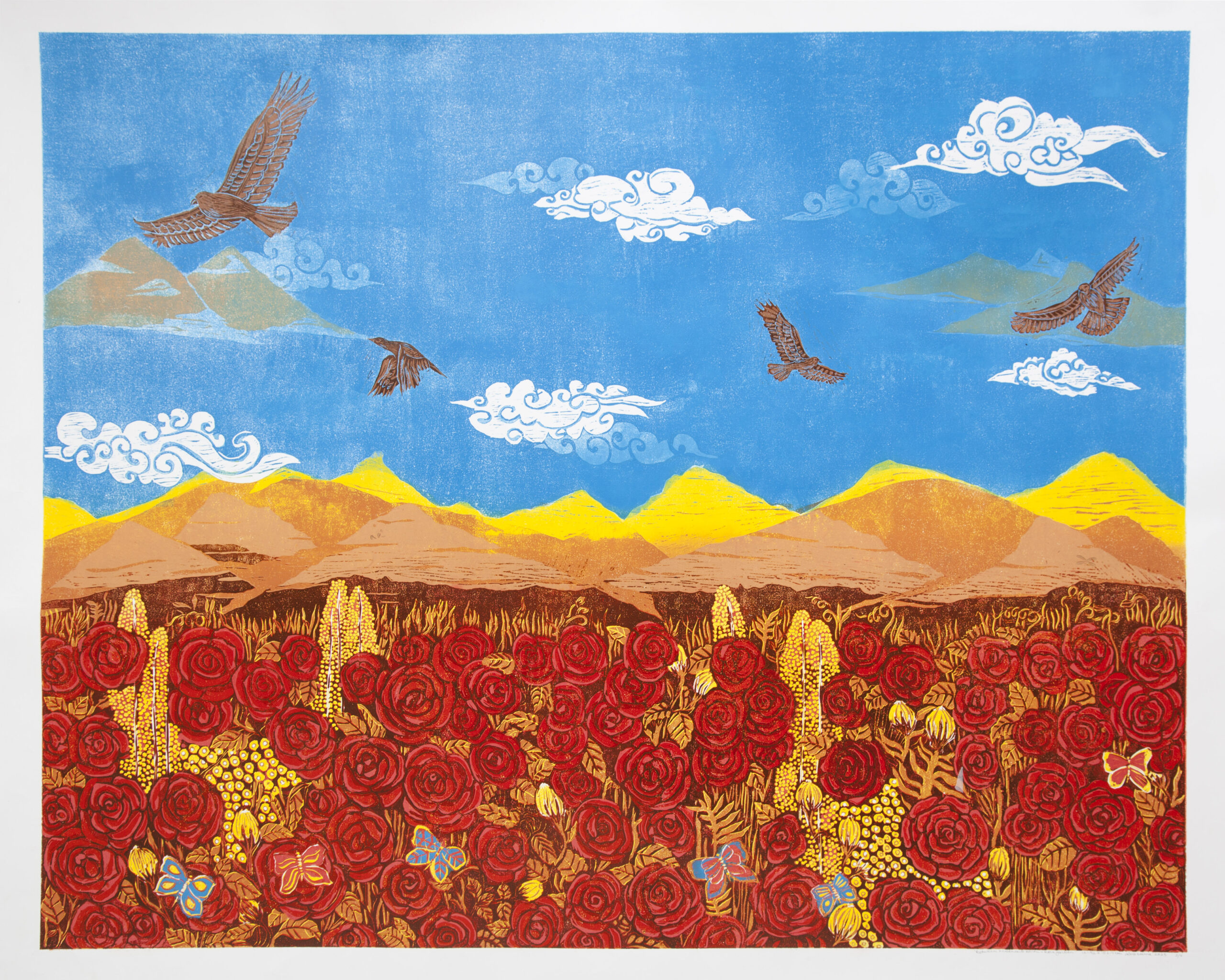
Paperworks, Woodcut
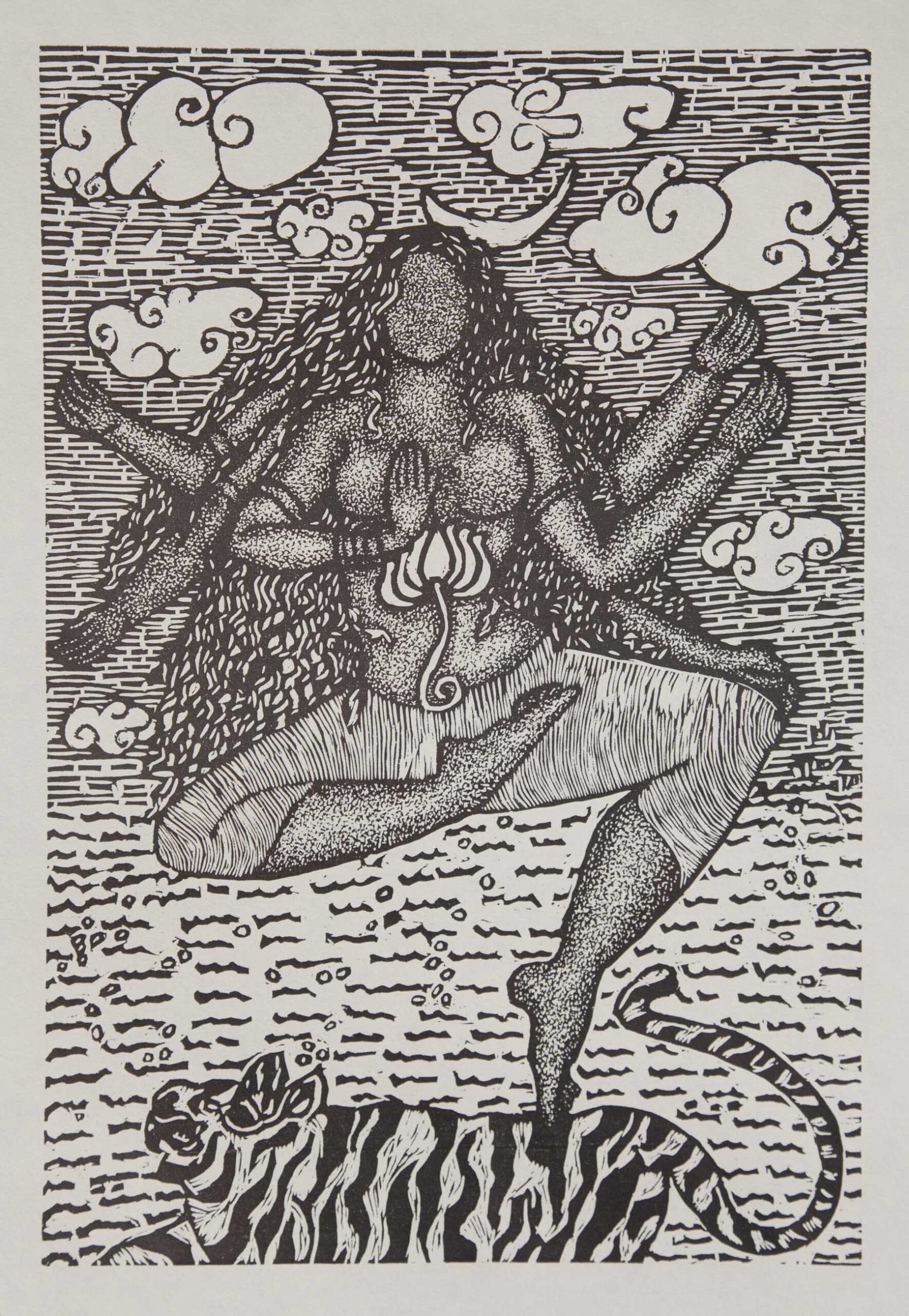
Paperworks, Woodcut
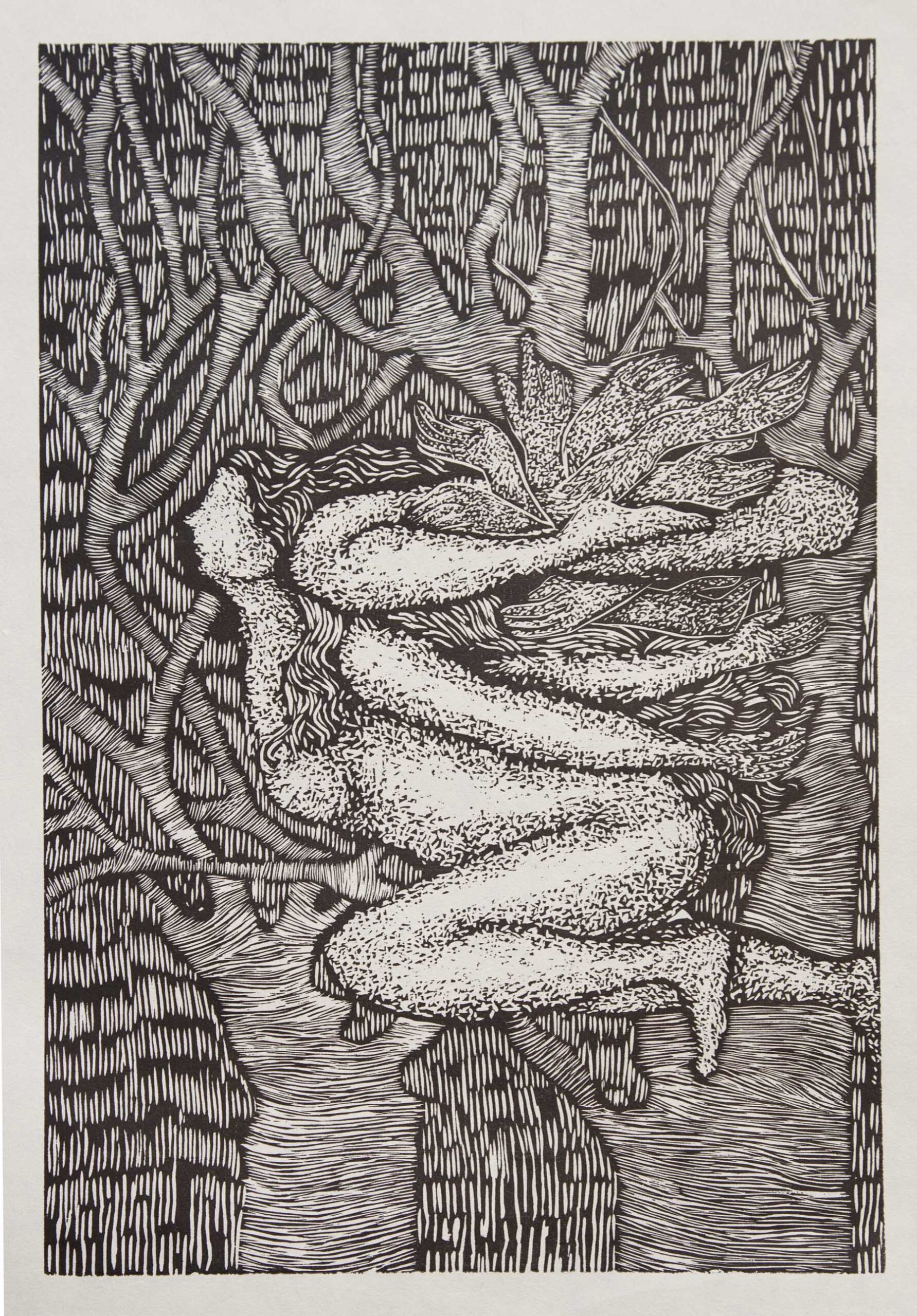
Paperworks, Woodcut
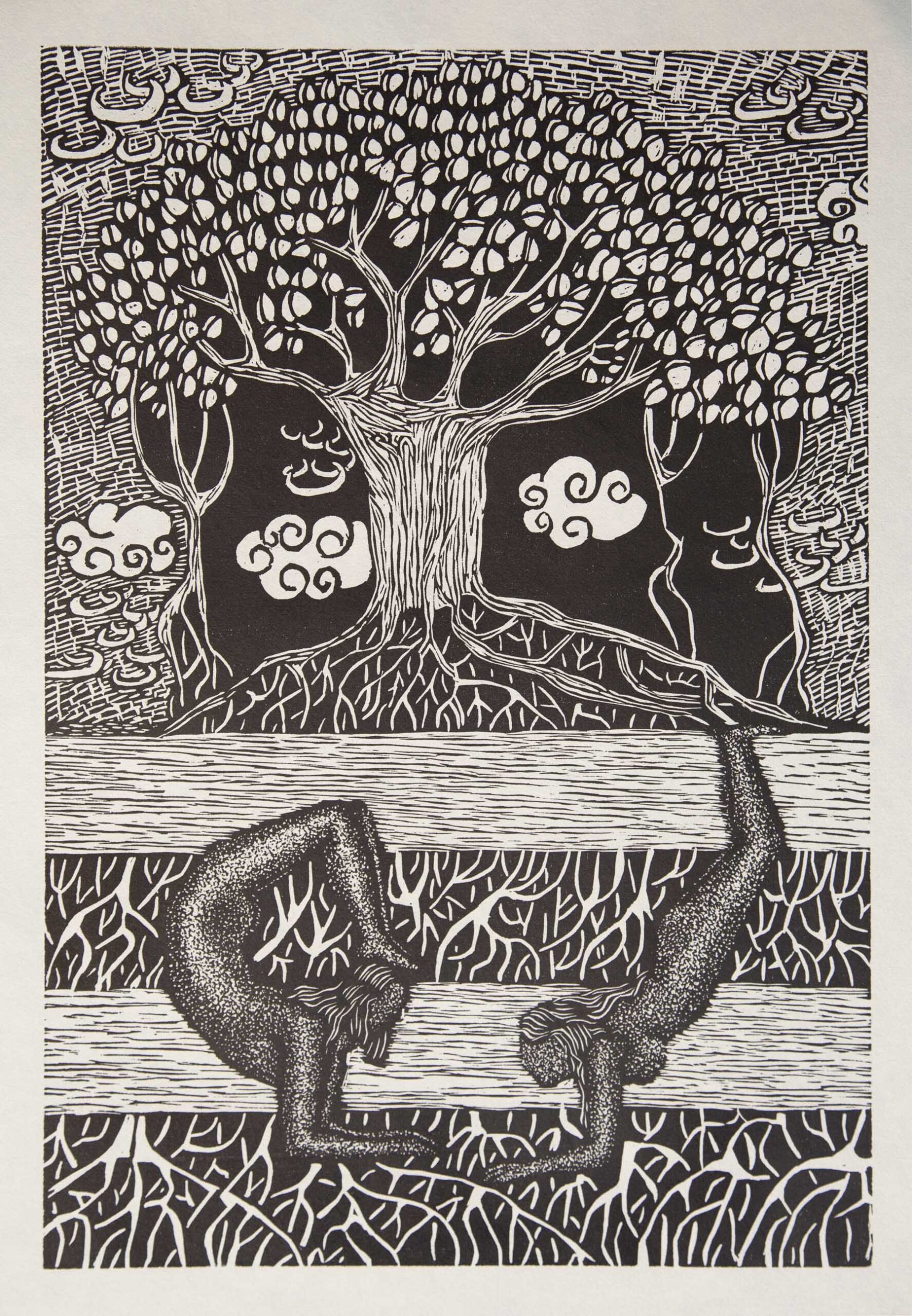
Paperworks, Woodcut
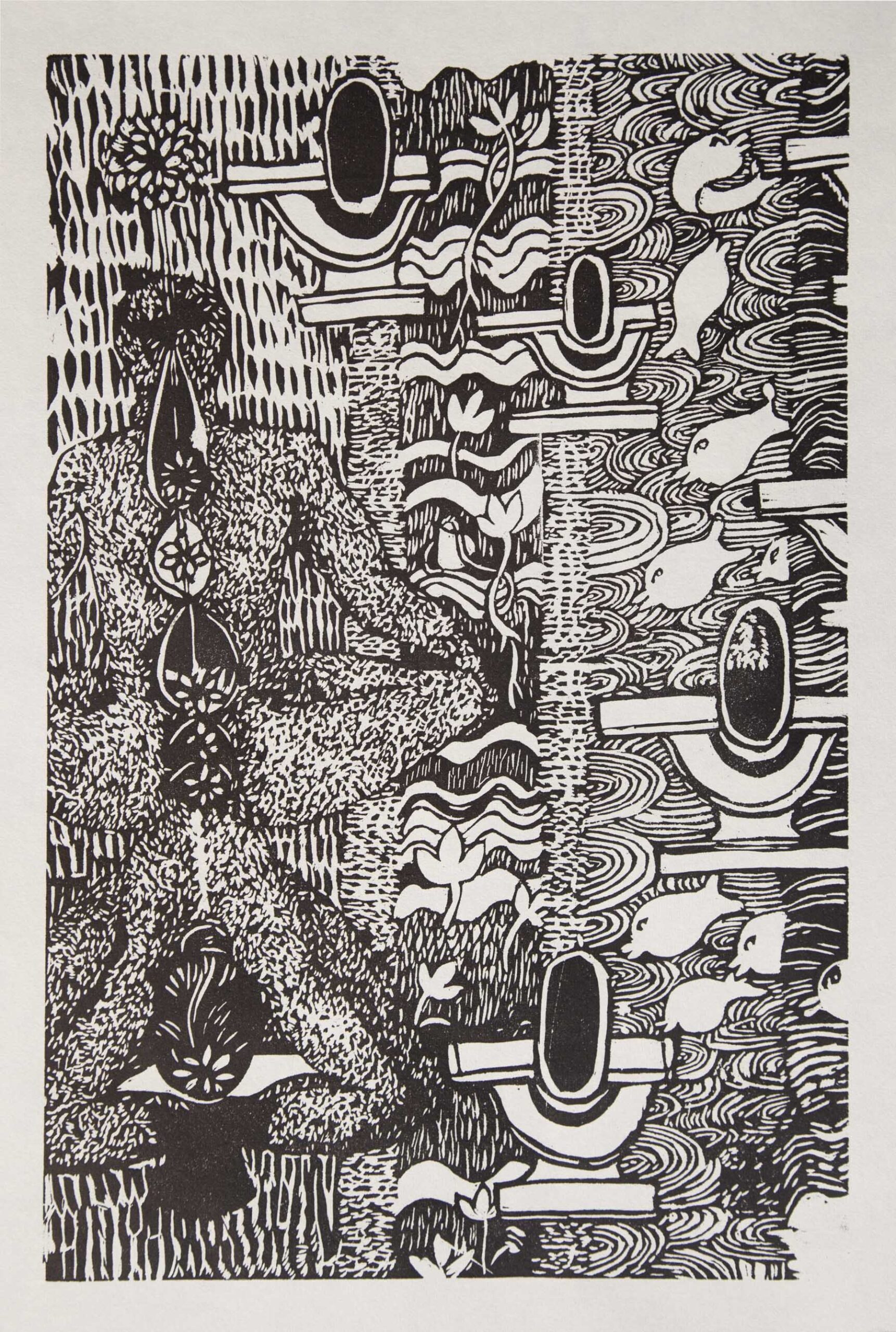
Paperworks, Woodcut
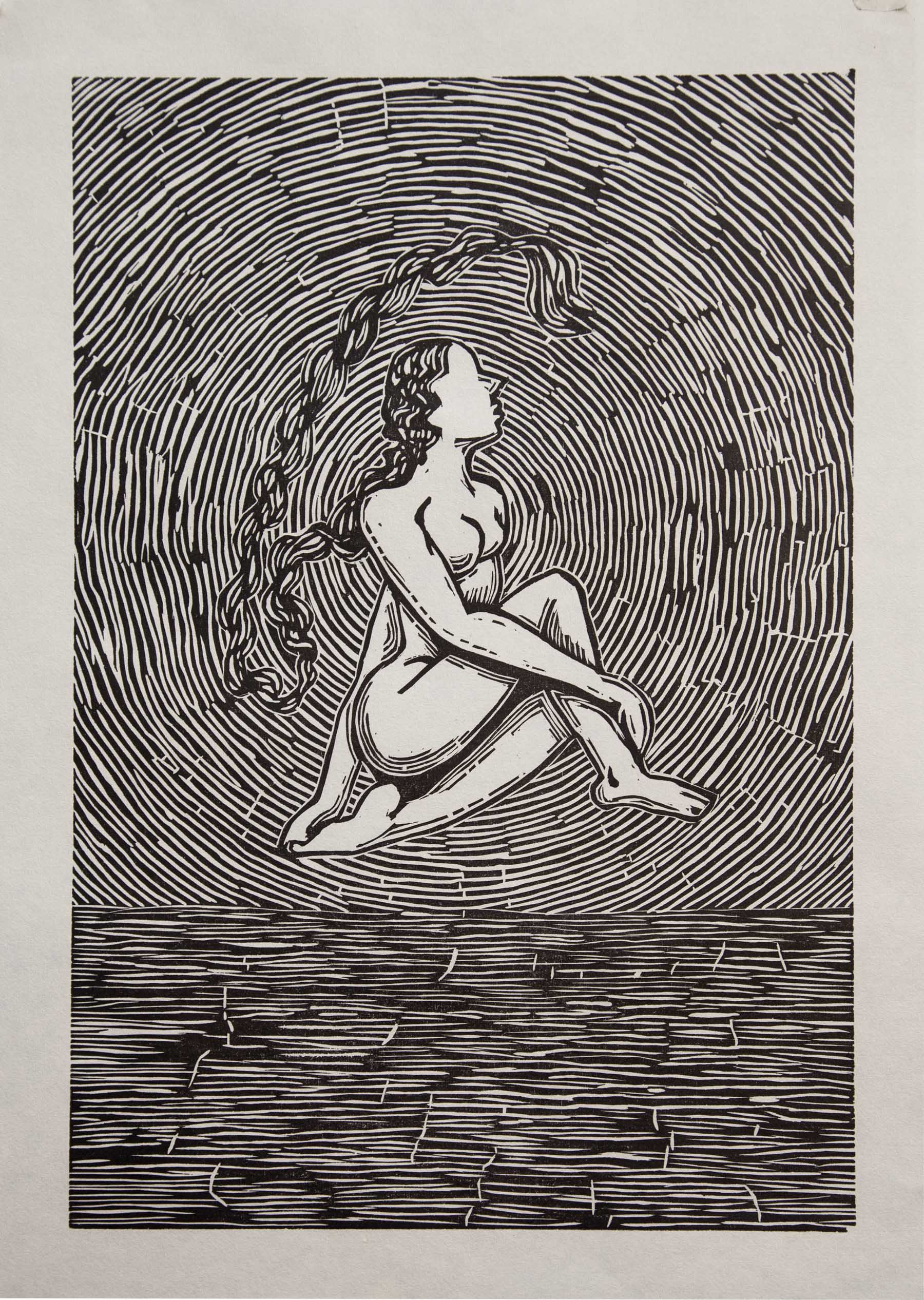
Paperworks, Woodcut
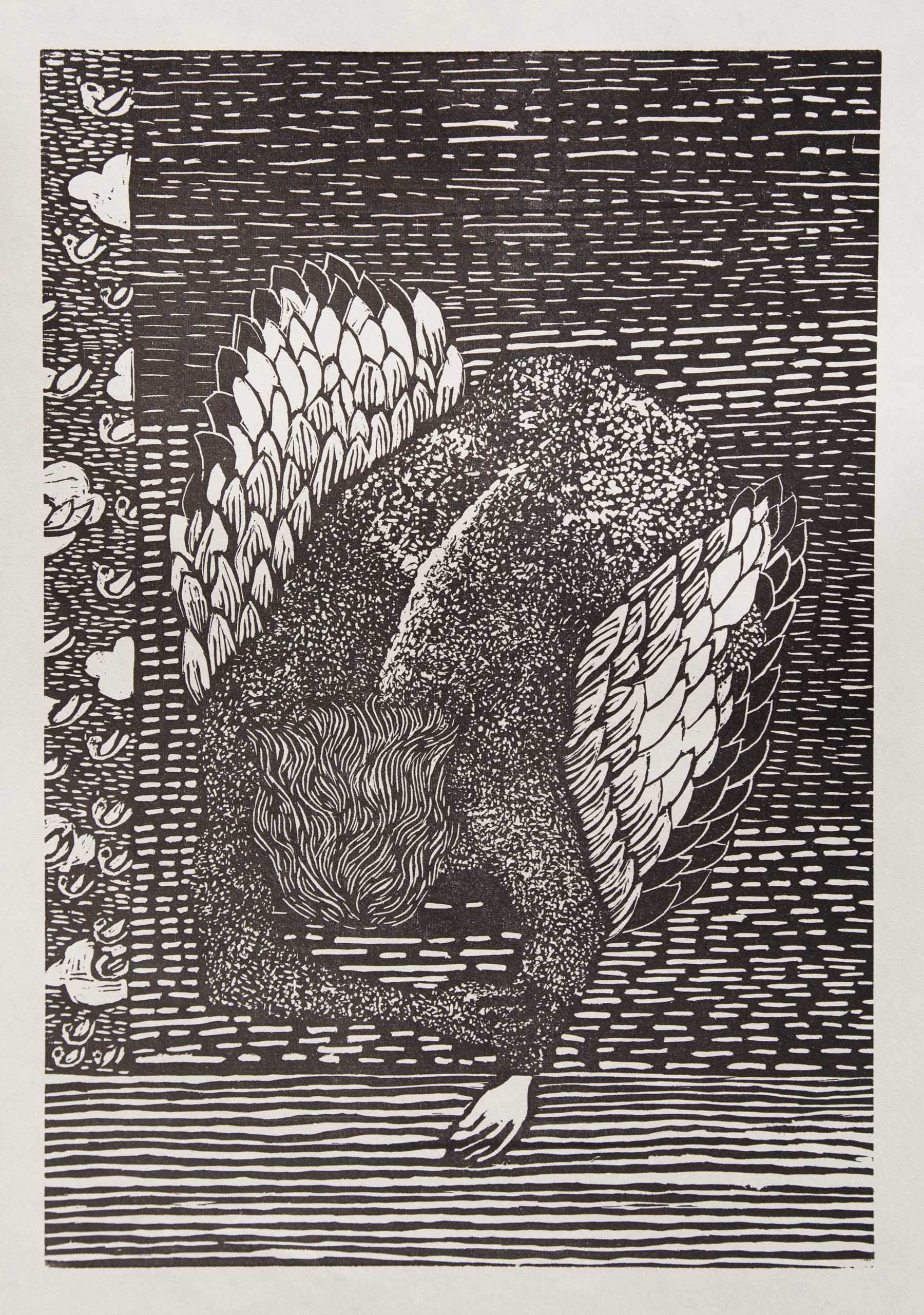
Paperworks, Woodcut
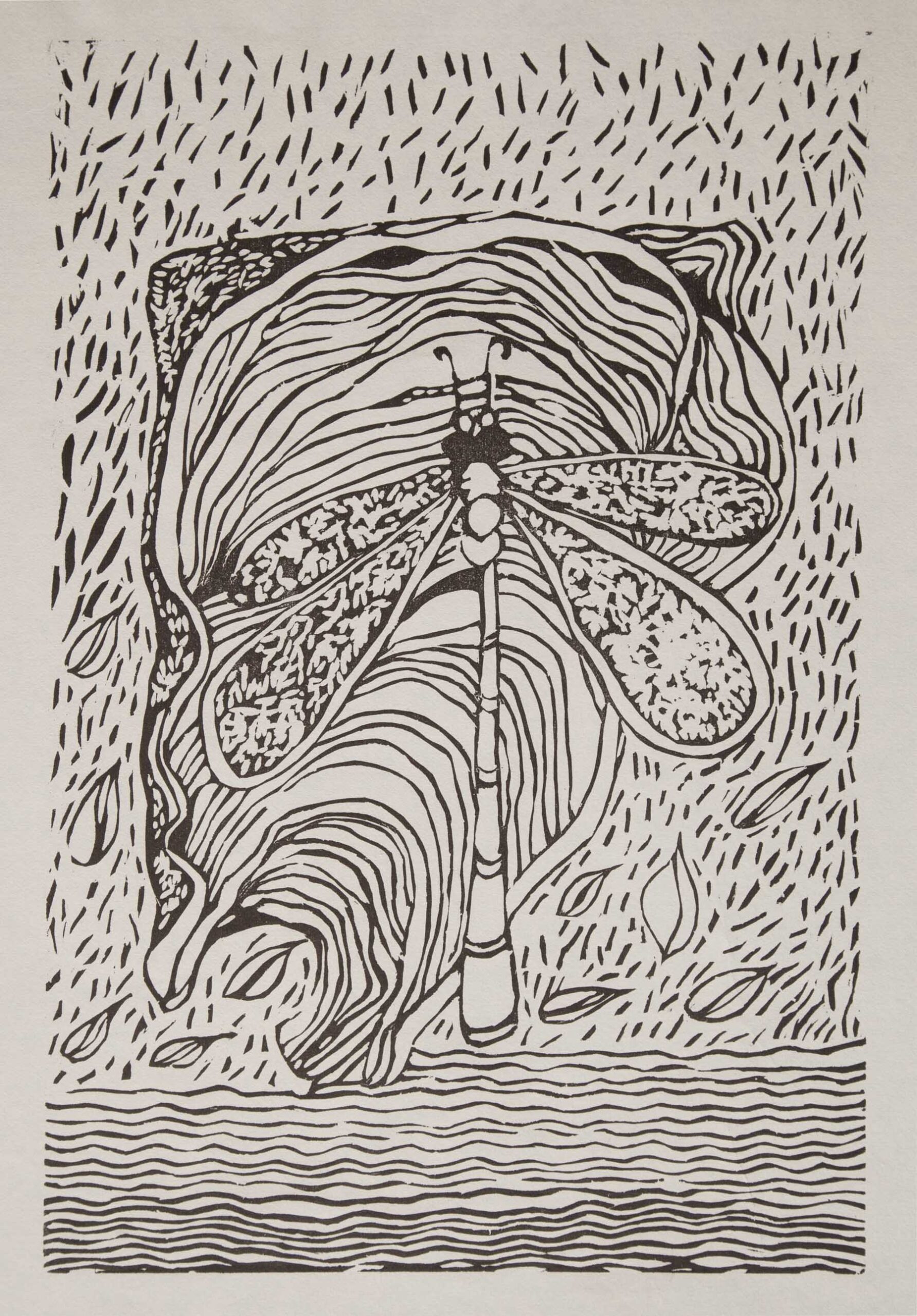
Paperworks, Woodcut
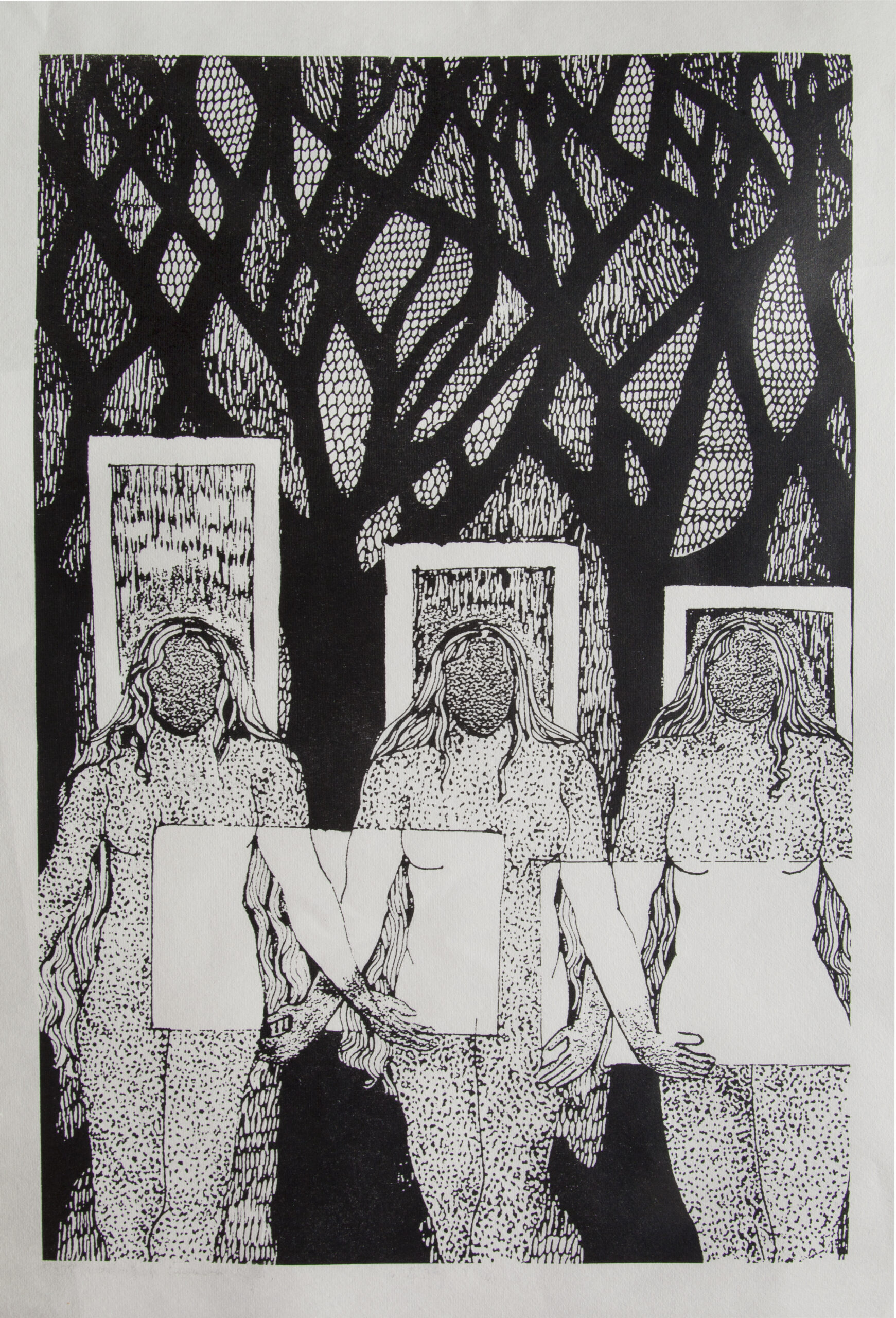
Paperworks, Woodcut
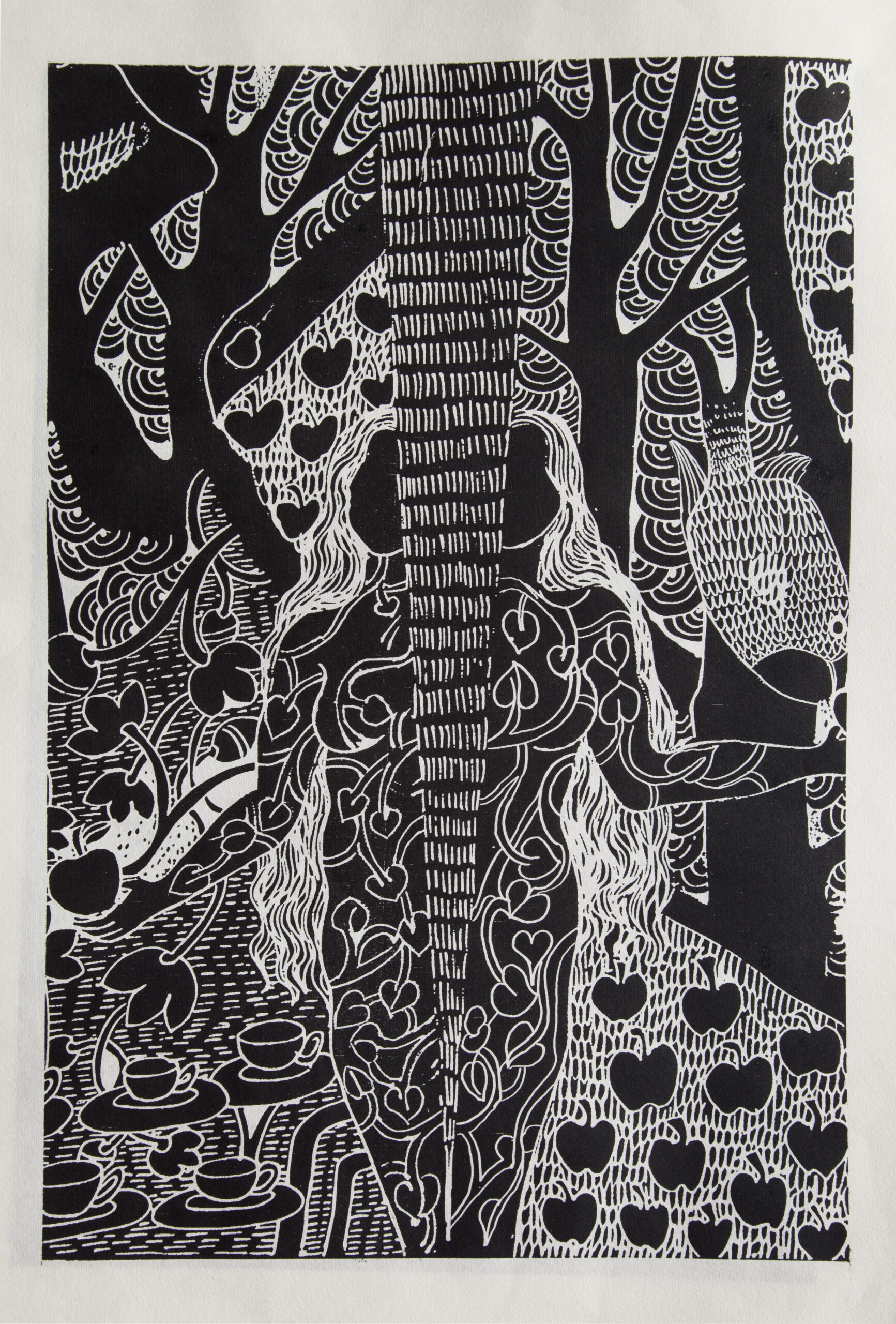
Paperworks, Woodcut

Paperworks, Woodcut
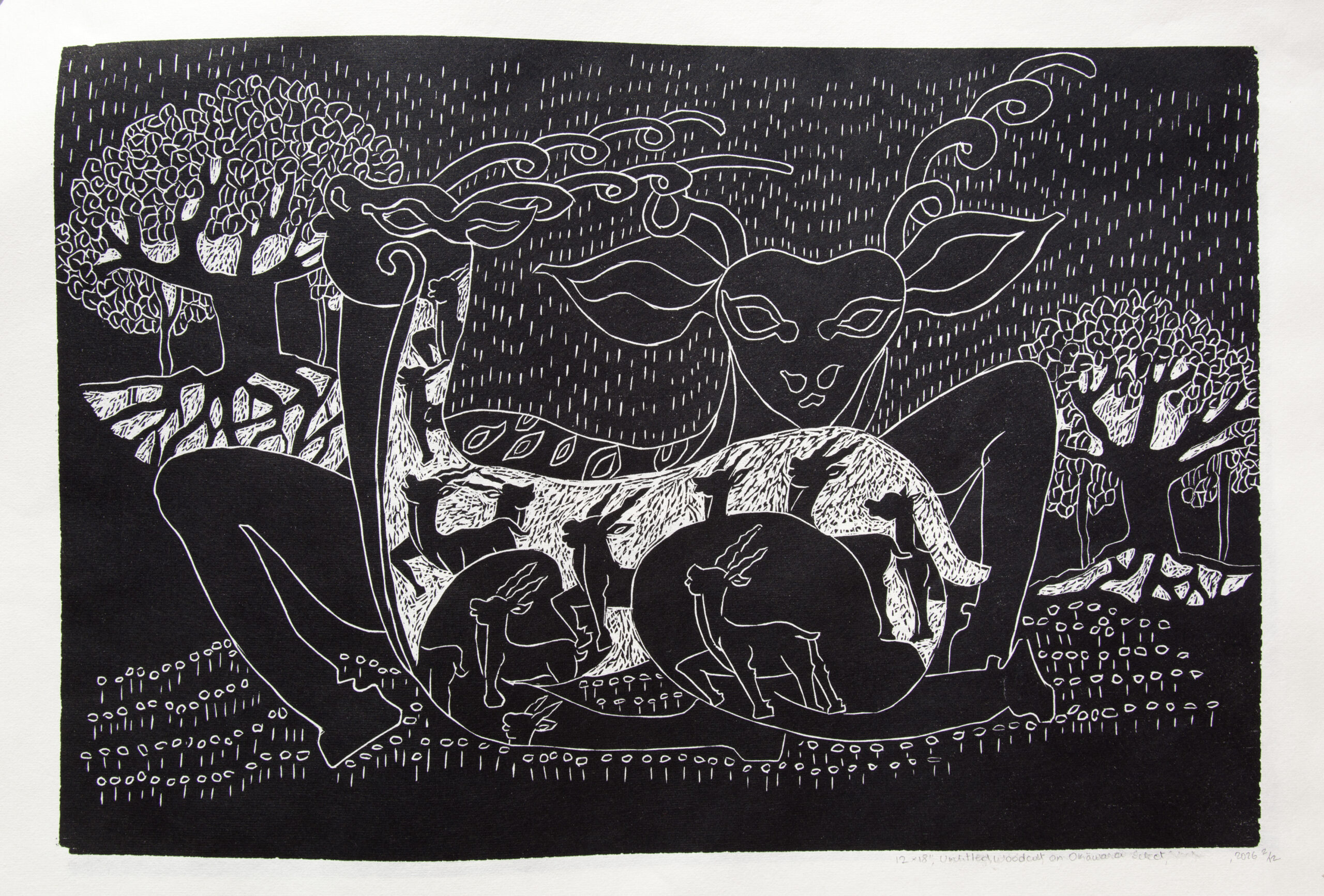
Paperworks, Woodcut
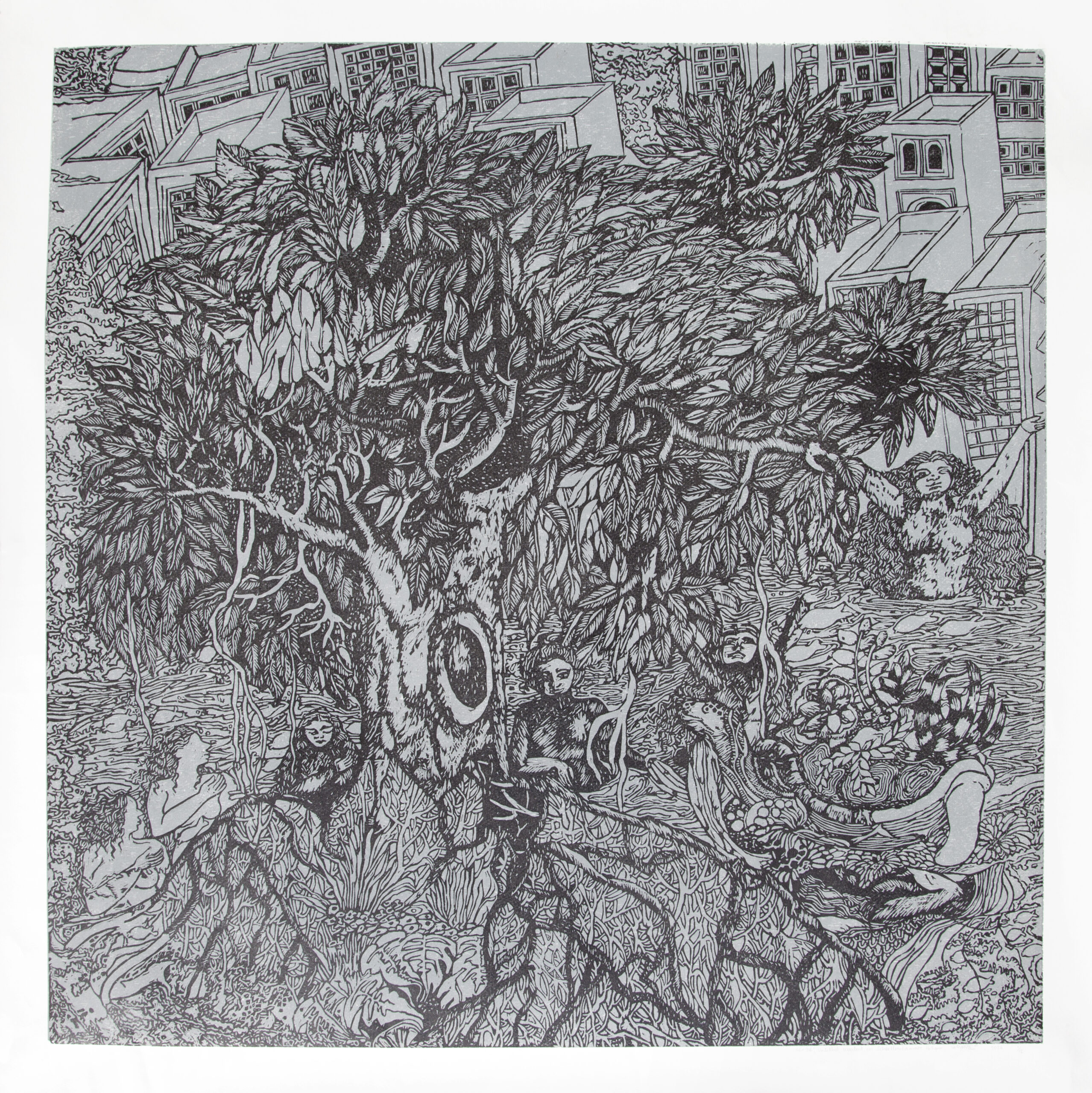
Paperworks, Woodcut
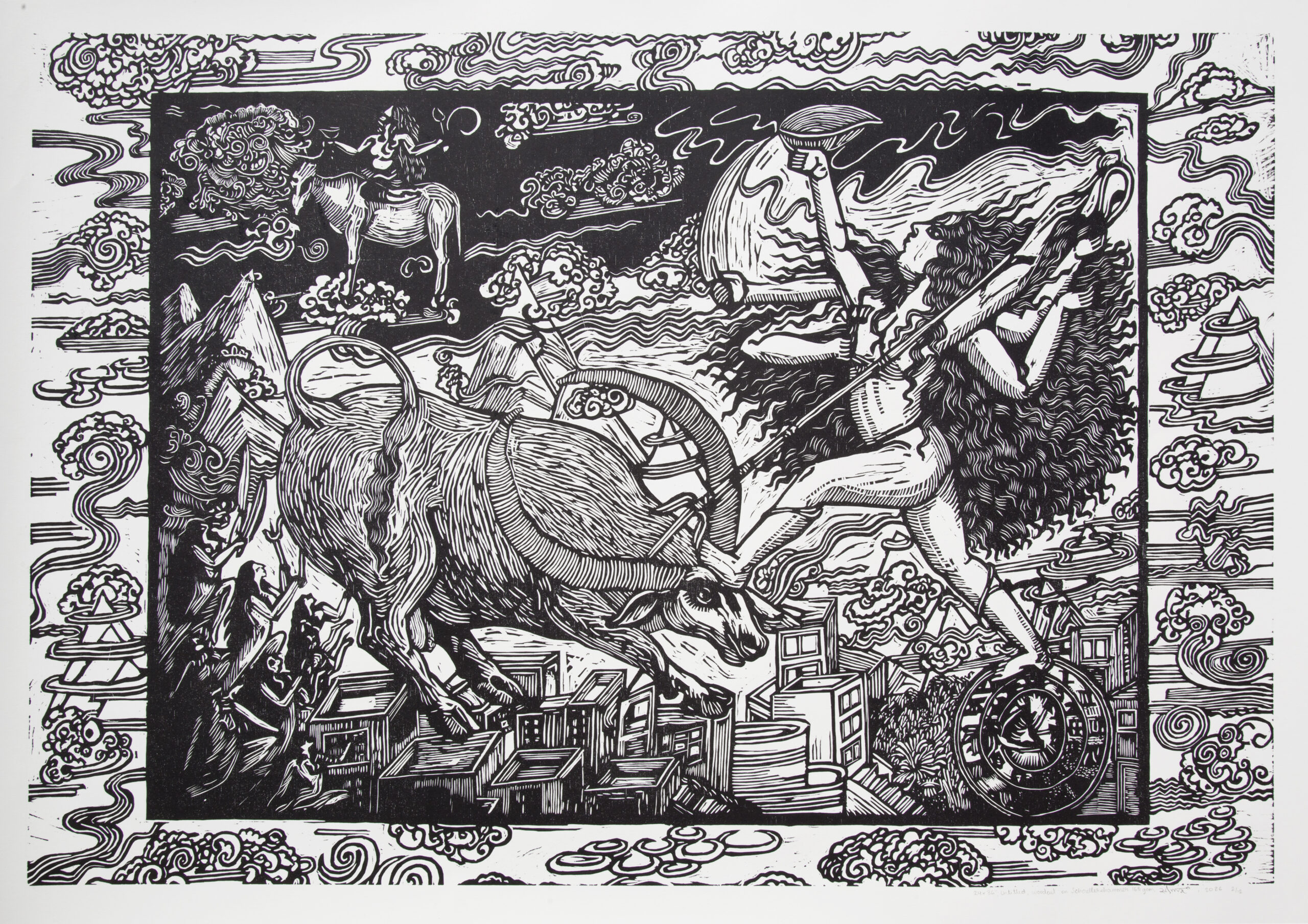
Paperworks, Woodcut
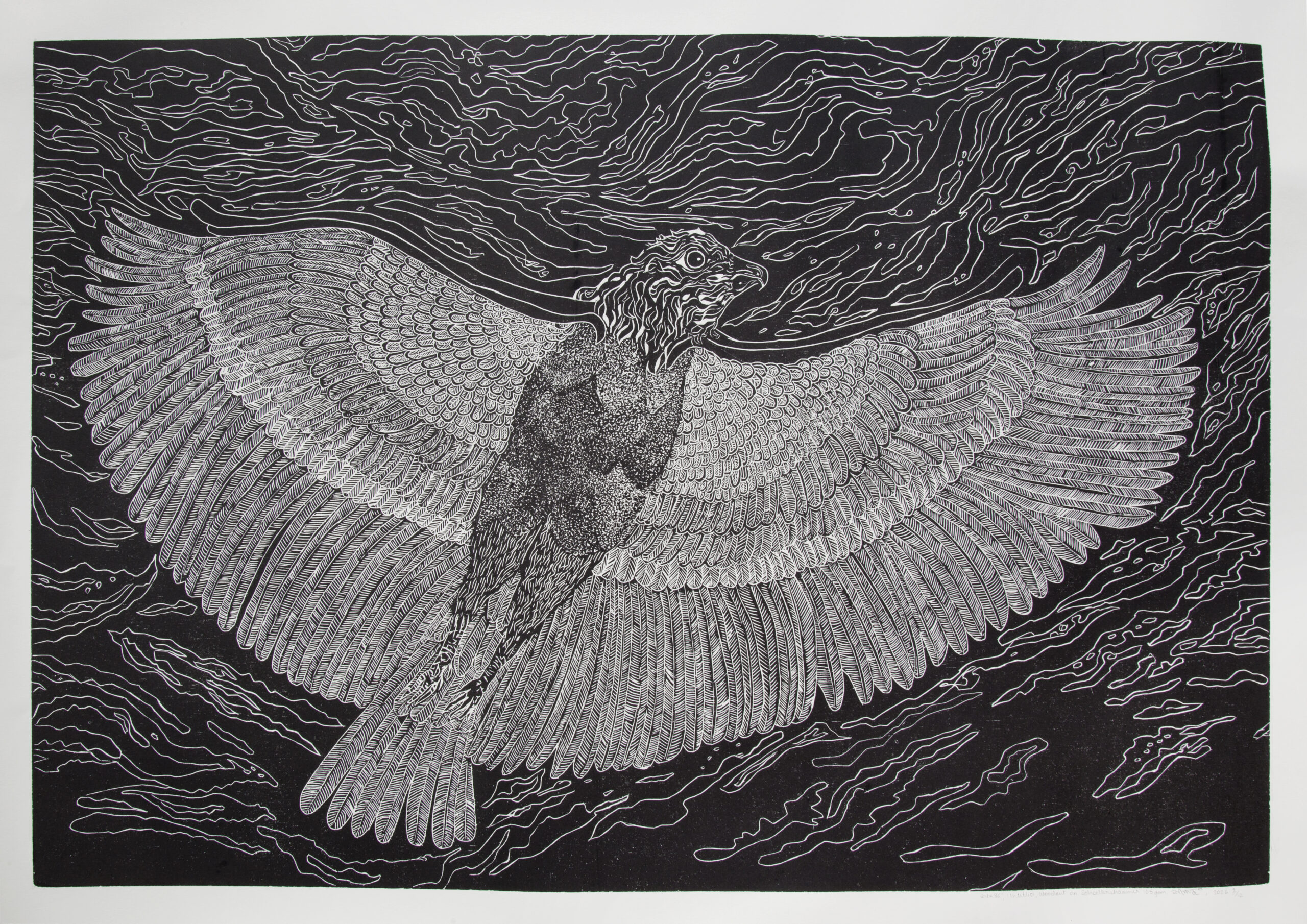
Paperworks, Woodcut
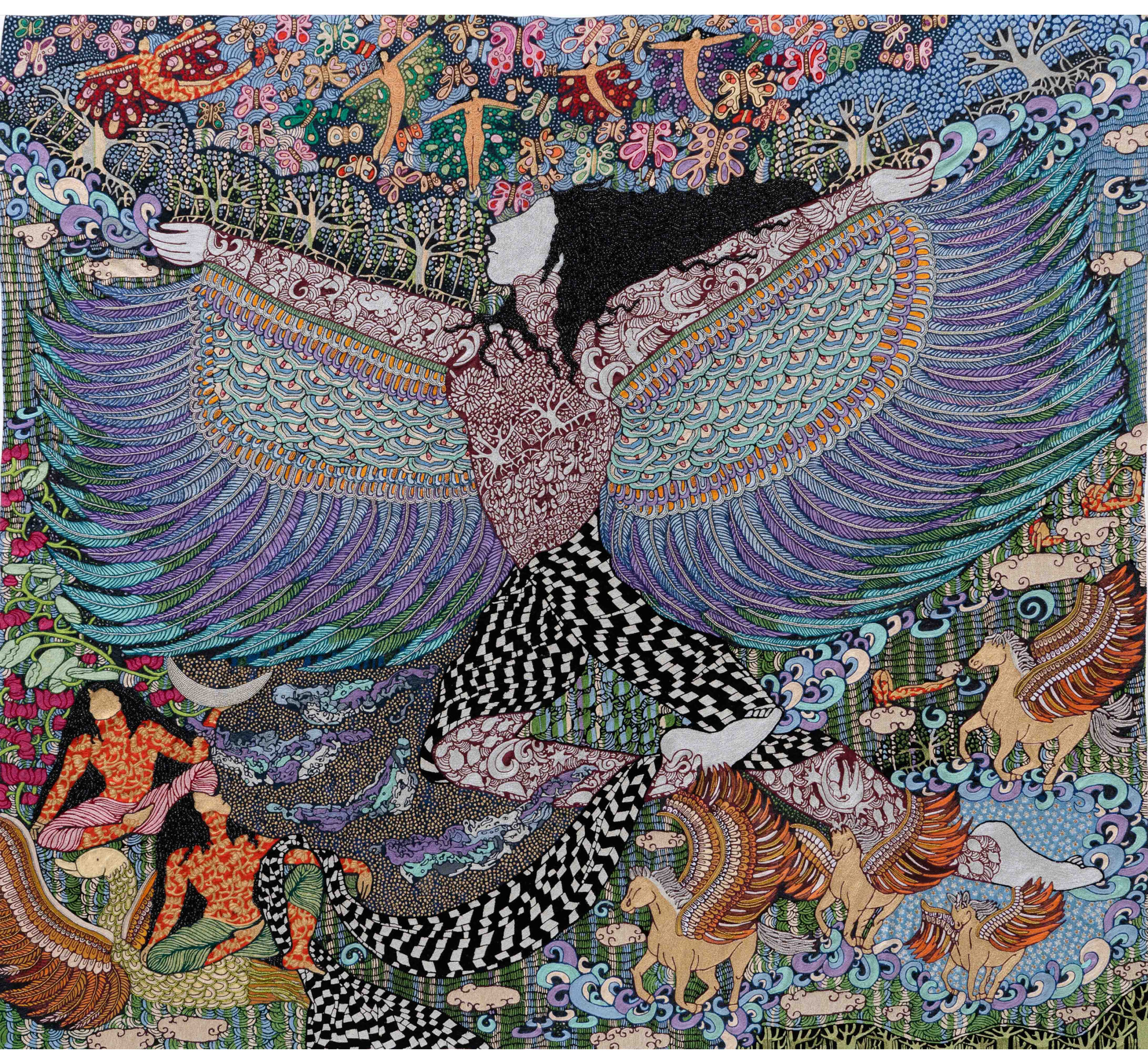
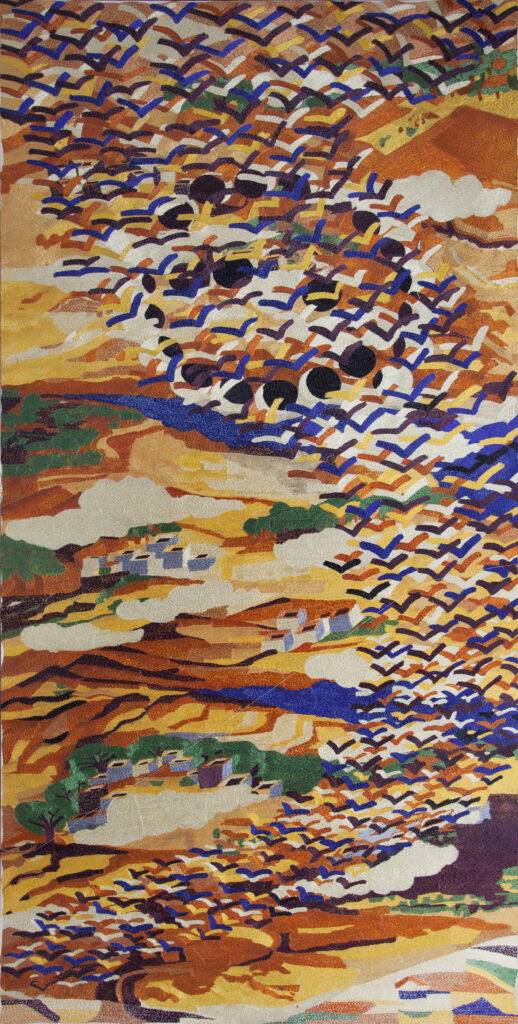
Threadworks, Embroidery
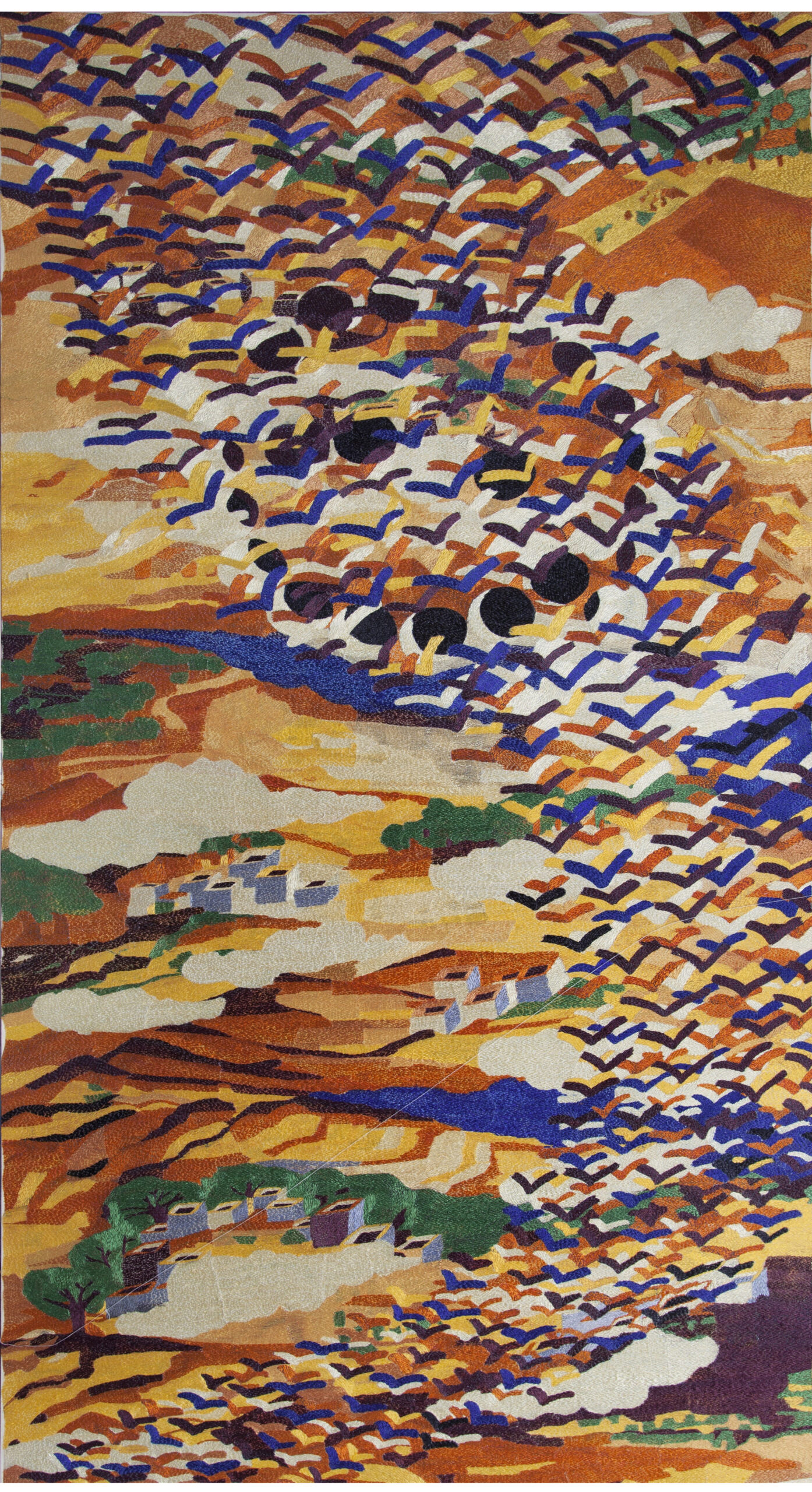
Threadworks, Cloth
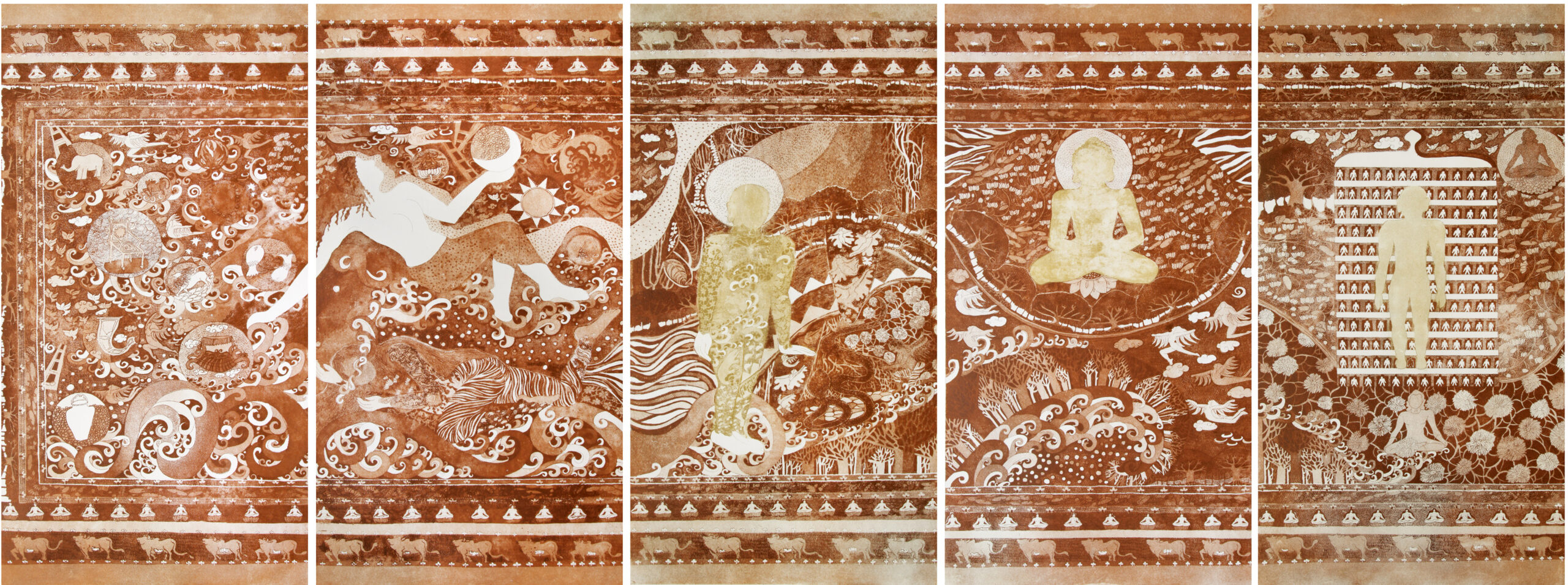
Paperworks, Etching
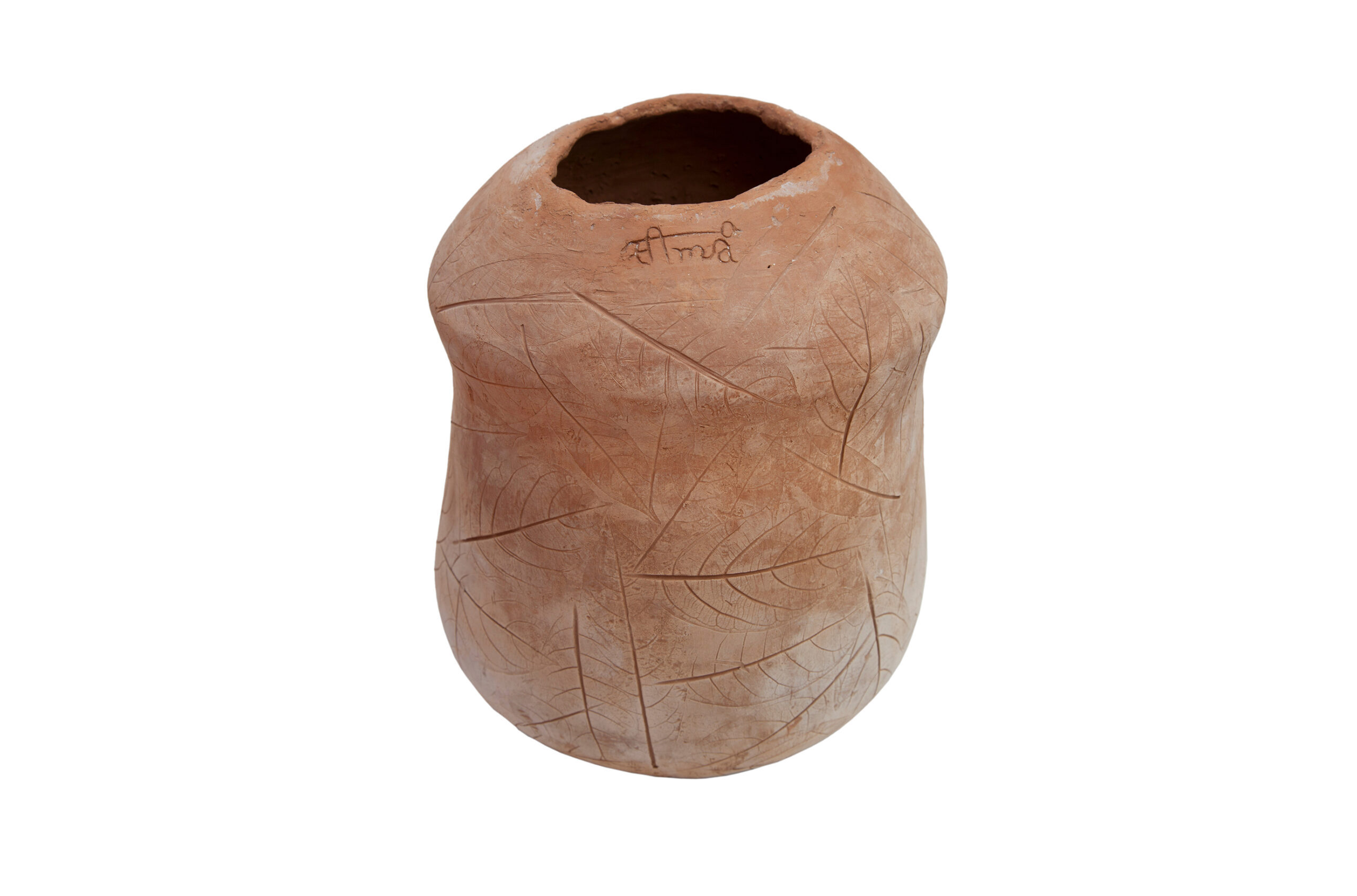
Sculptures, Terracotta
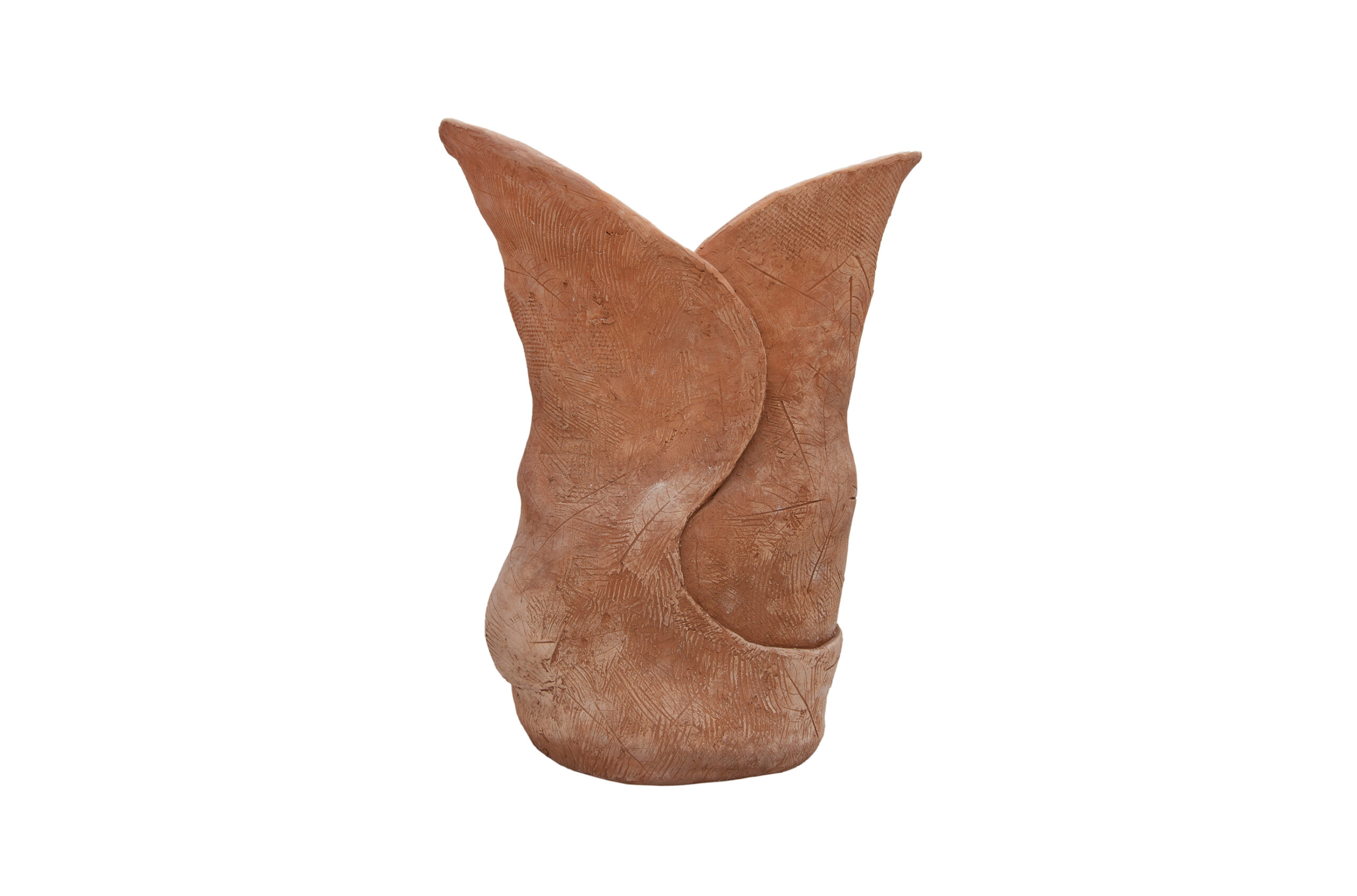
Sculptures, Terracotta

Sculptures, Terracotta
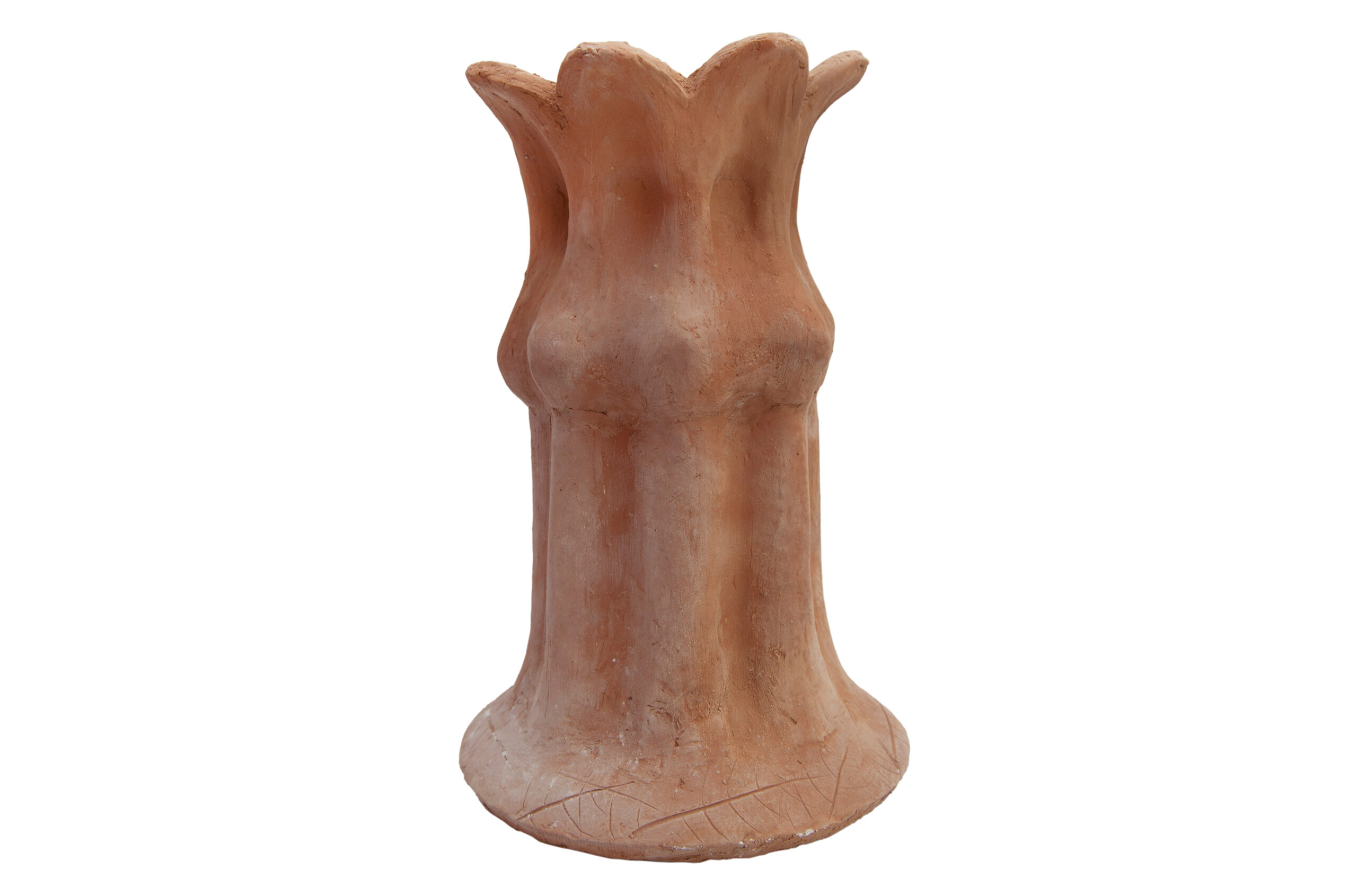
Sculptures, Terracotta

Sculptures, Terracotta
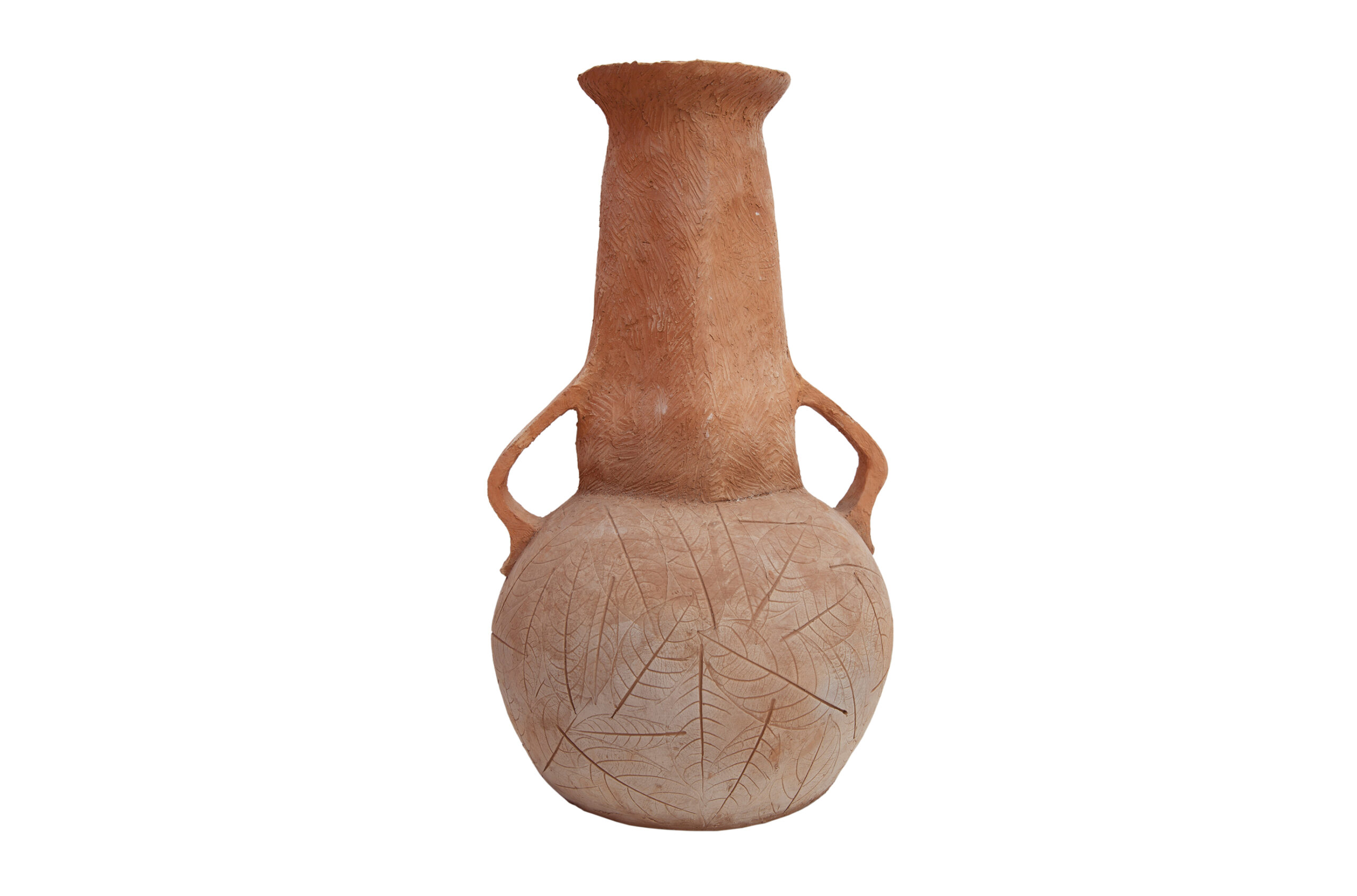
Sculptures, Terracotta
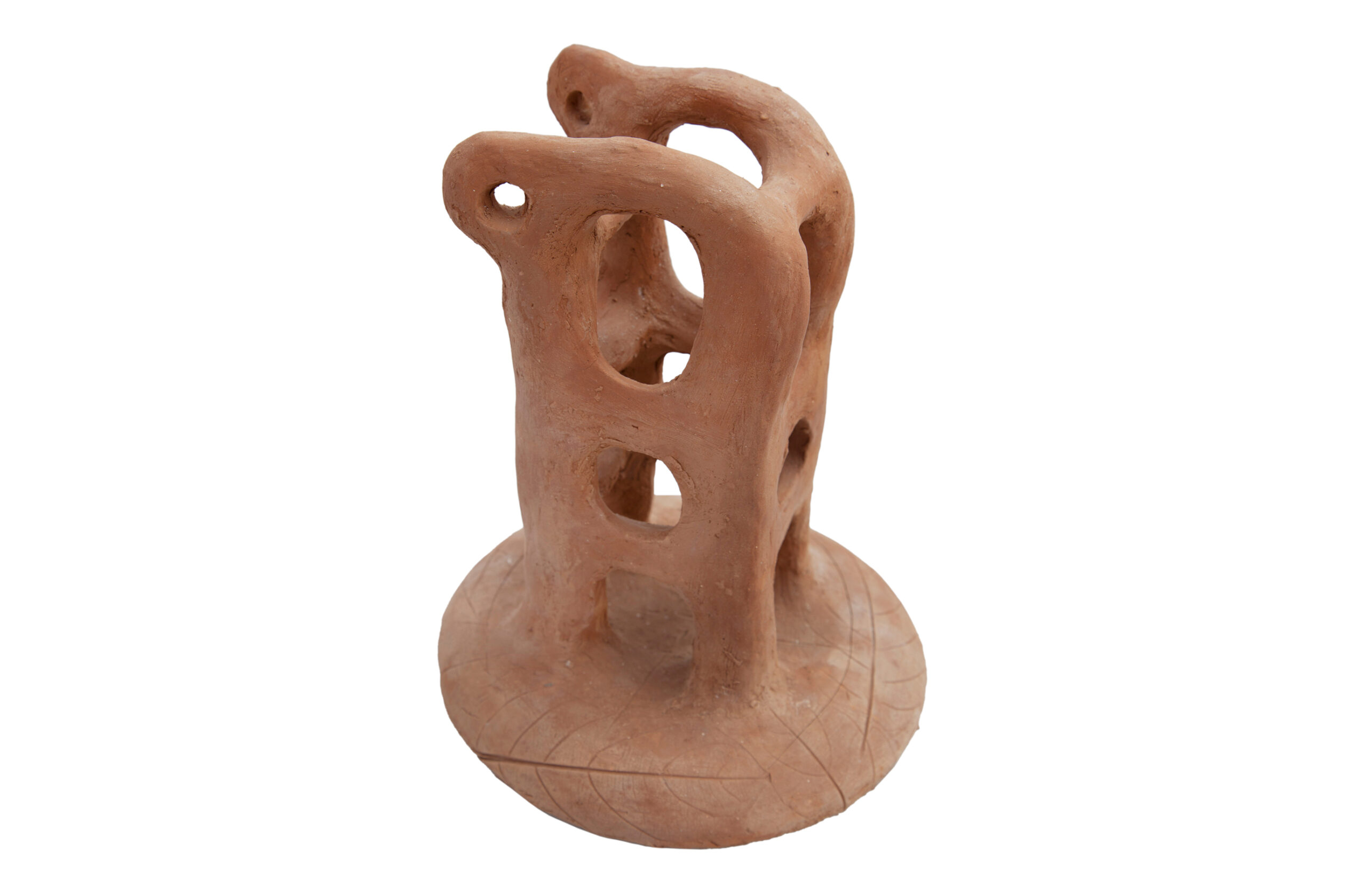
Sculptures, Terracotta
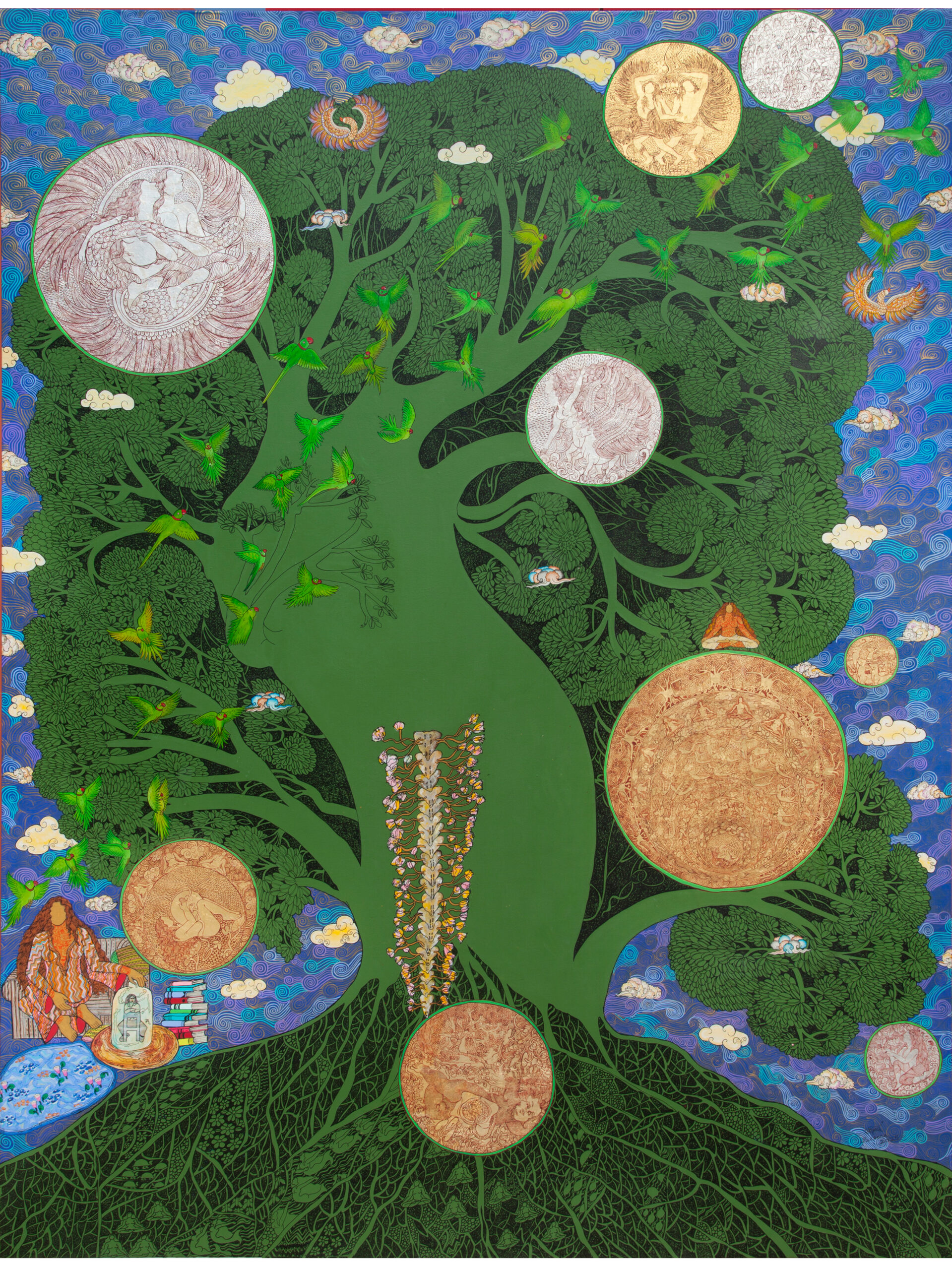
Canvas, Acrylic on Canvas
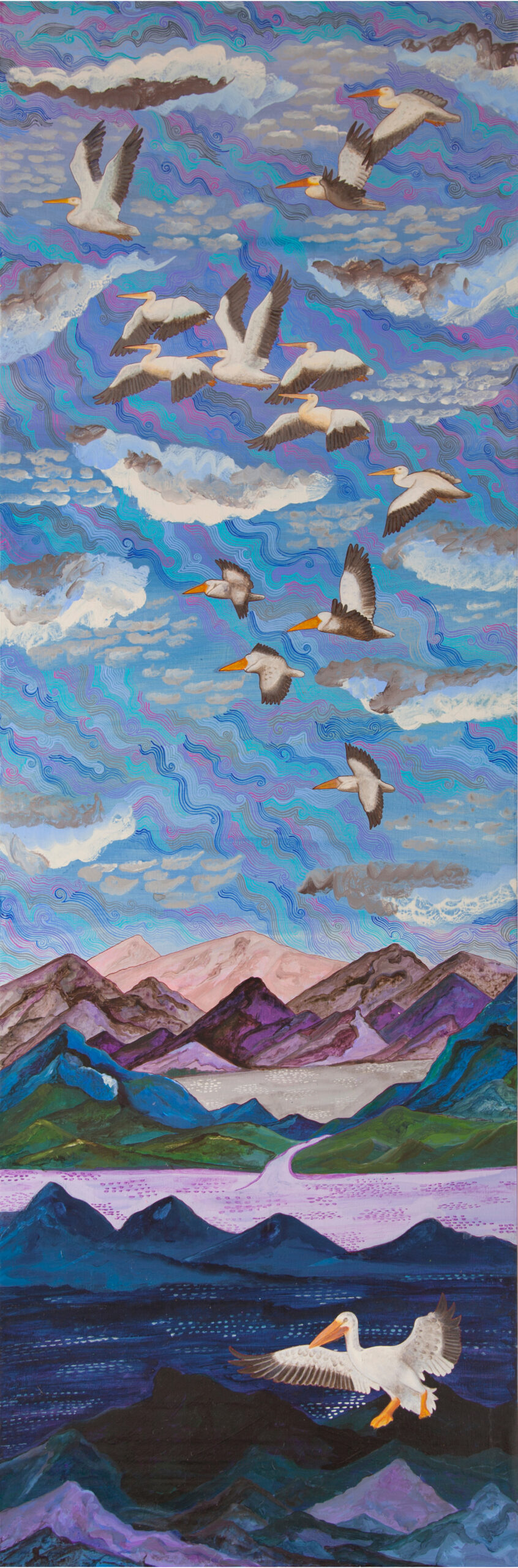
Canvas, Acrylic on Canvas
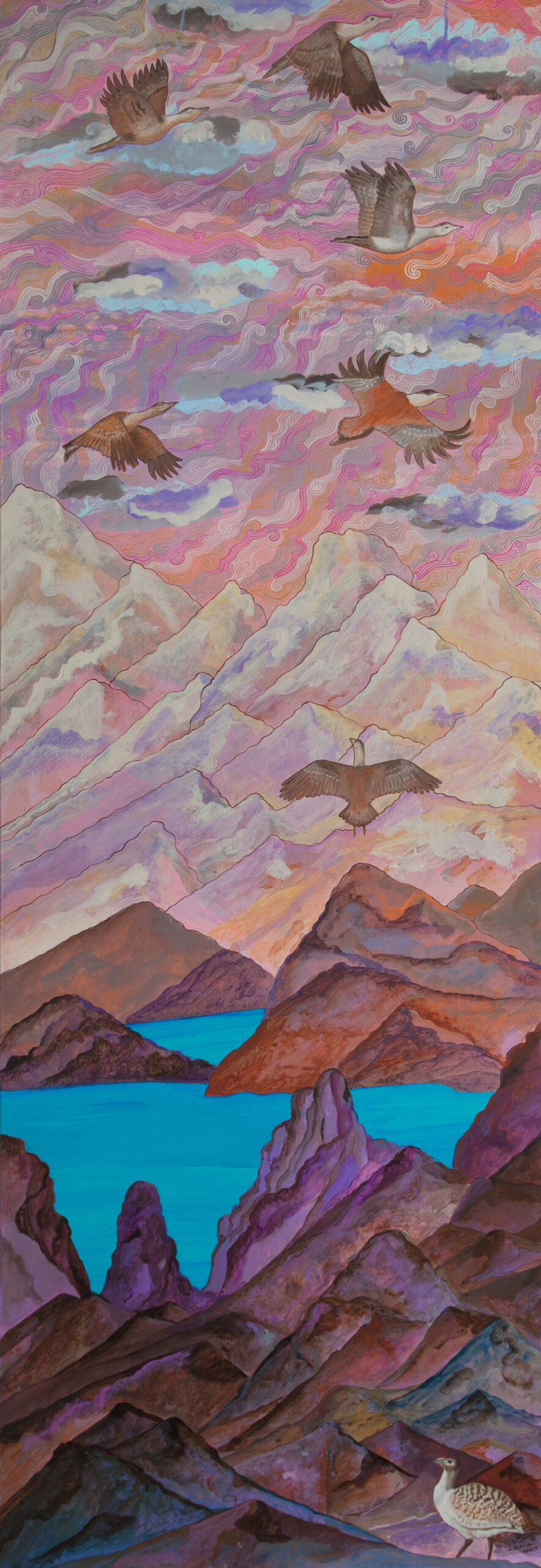
Canvas, Acrylic on Canvas
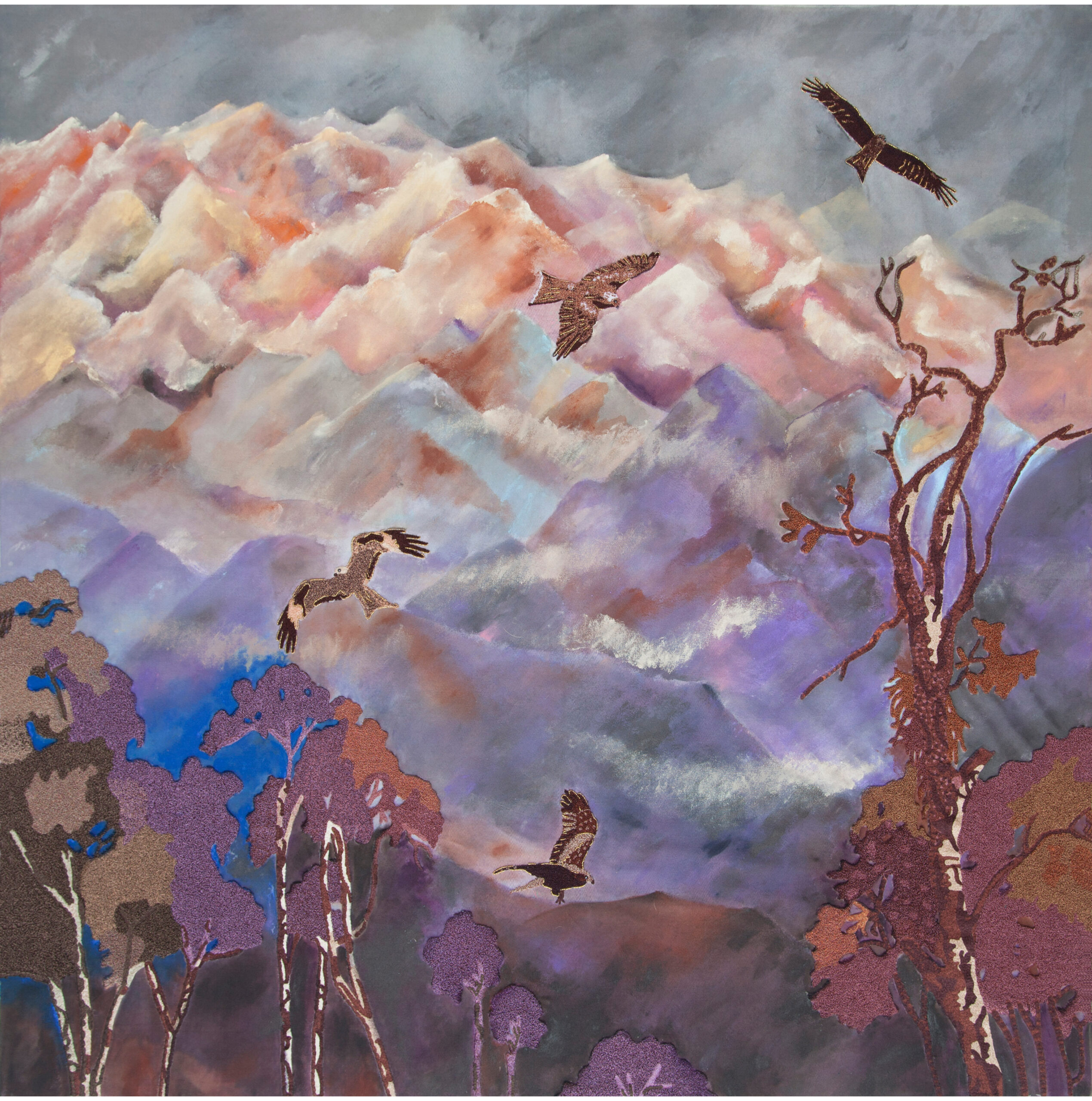
Canvas, Acrylic on Canvas
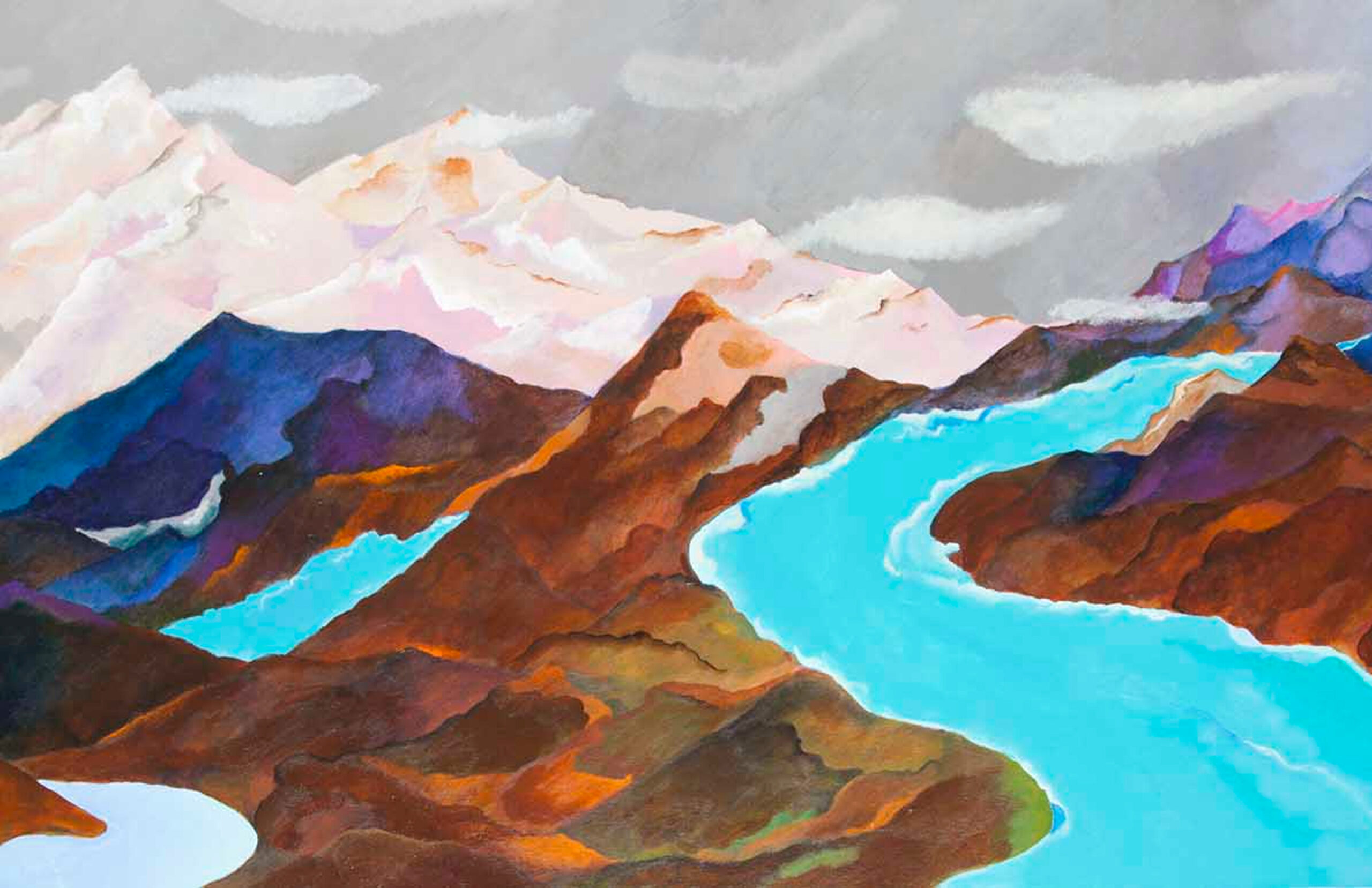
Canvas, Acrylic on Canvas


Concept & Direction: Seema KohliCinematography Edit & Sound: Sakthi Doss A 12 minute capturing Seema Kohli’s involvement and the whole process of the making of the artworks at...

Grid of 84 archival prints of self-portraits, of 10x10inch. The cycle of life revolves around birth, death and the eventual liberation from mortality. All forms of life follow...

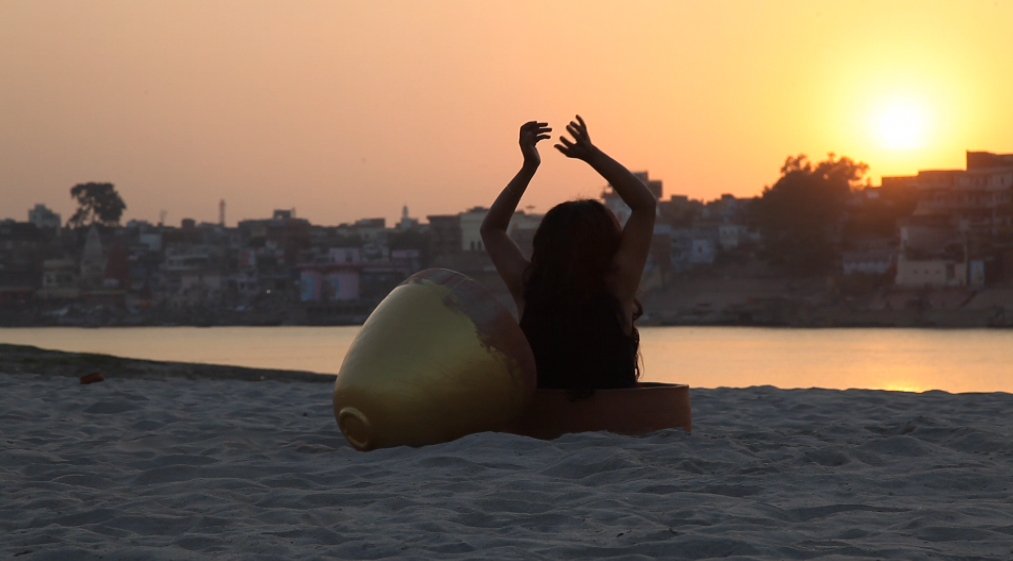
Single Channel Installation Performance & Concept: Seema KohliCinematography: Marlène Ila Popovic, Sakthi BhagatEditing: Marlene Ila PopovicSound Design: Sahil Vasudeva “We see death as a full stop. But it...

Concept, Script & Direction: Seema Kohli Photography & Videography: Sakthi Bhagat Editor: Tariq Vasudeva Music: Sahil Vasudeva Animation: Gaurav Singh Bedi “Seema Kohli’s Enter Stillness is a fable...

Pacific Art League, Palo Alto, California

Gallerie Nvya, Triveni Kala Sangam, New Delhi

Bihar Museum
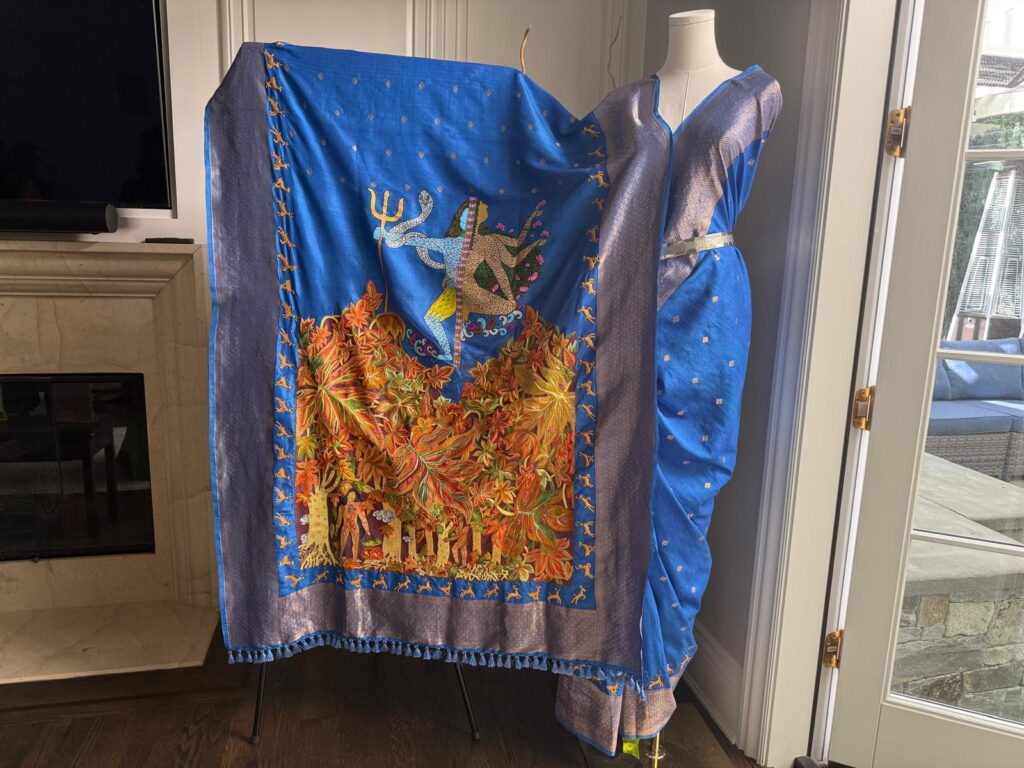
Asian Art Museum, San Francisco presented by the Lara Lakshimi Foundation
Shridharani Gallery at Triveni Kala Sangam, presented by Gallerie Nvya, Delhi

Lalit Kala Akademi, Chennai

National Gallery of Modern Art, Bengaluru
Travancore Palace • Bikaner House • India Habitat Centre, New Delhi


Presented by Sanchit Art Gallery At The Arts House, Singapore

Seema Kohli Studio, New Delhi and The Partition Museum, Delhi

Art Heritage Gallery, NSIC Grounds, New Delhi

National Gallery of Modern Art (NGMA) New Delhi


Bihar Museum, Patna

Archer Art Gallery Ahmedabad, India

Hong Kong Visual Arts Center, Hong Kong, presented by Sanchit Art Gallery

Art Heritage Gallery, NSIC Grounds, New Delhi


Bikaner House, New Delhi presented by Gallerie Nvya
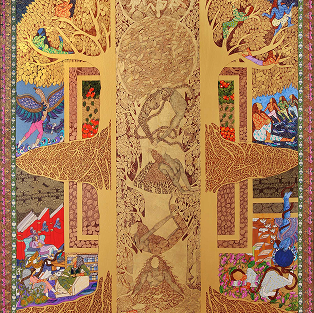
S.A. Fine Arts, Cromwell Place, London


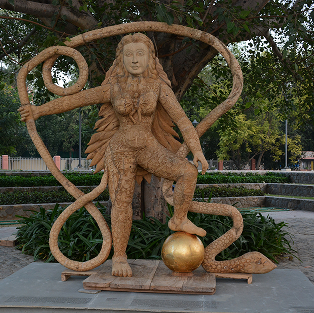
Venue: Sunder Nursery, New Delhi, Presented by Gallery Ragini

Presented by Museum of Sacred Art At MOSA Radhadesh Gallery, Belgium
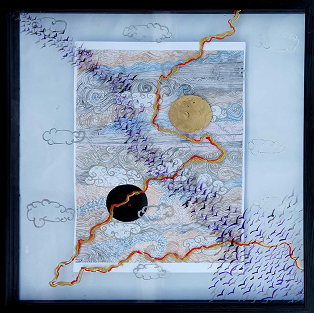
Kolkata Centre for Creativity, Kolkata
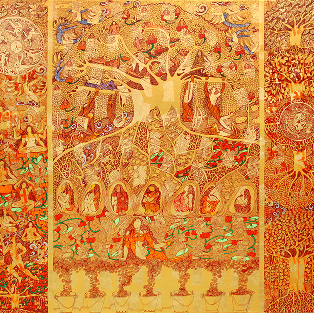
Tao Art Gallery


Sculptures, Bronze


Canvas, Acrylic on Canvas
Canvas, Acrylic on Canvas

Paperworks, Paintings
Paperworks, Etching
Sculptures, Bronze

Sculptures, Bronze

Canvas, Acrylic on Canvas
Canvas, Acrylic on Canvas

Sculptures, Bronze

Sculptures, Bronze


Canvas, Acrylic on Canvas
Sculptures, Bronze
Paperworks, Paintings
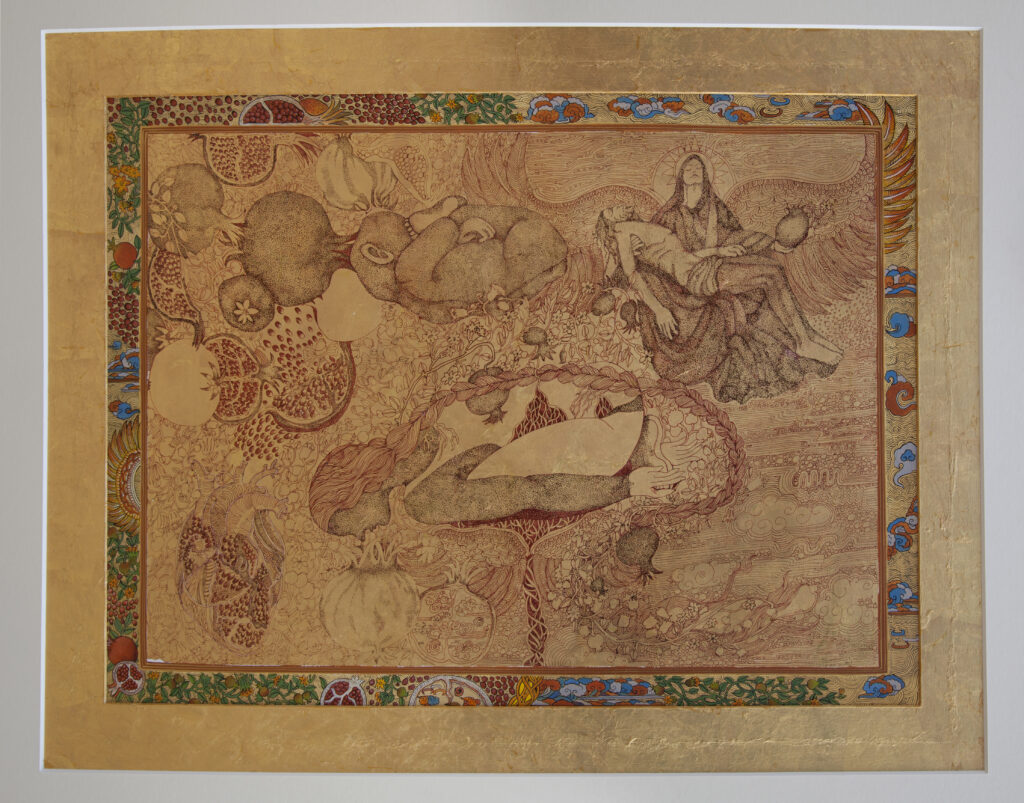
Paperworks, Paintings
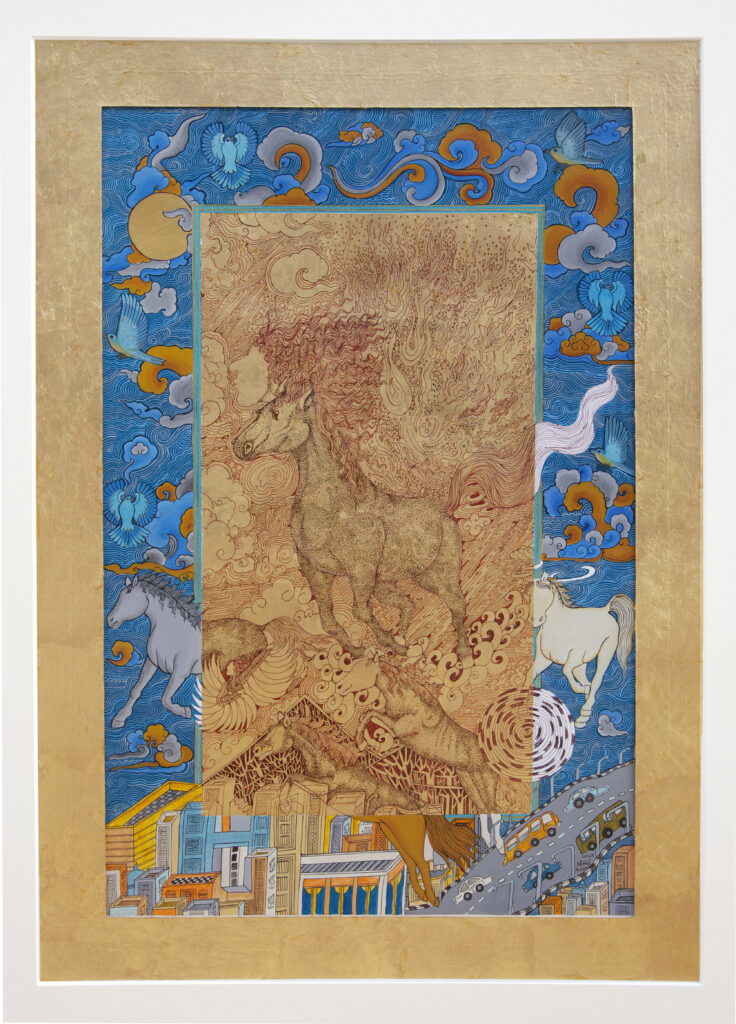
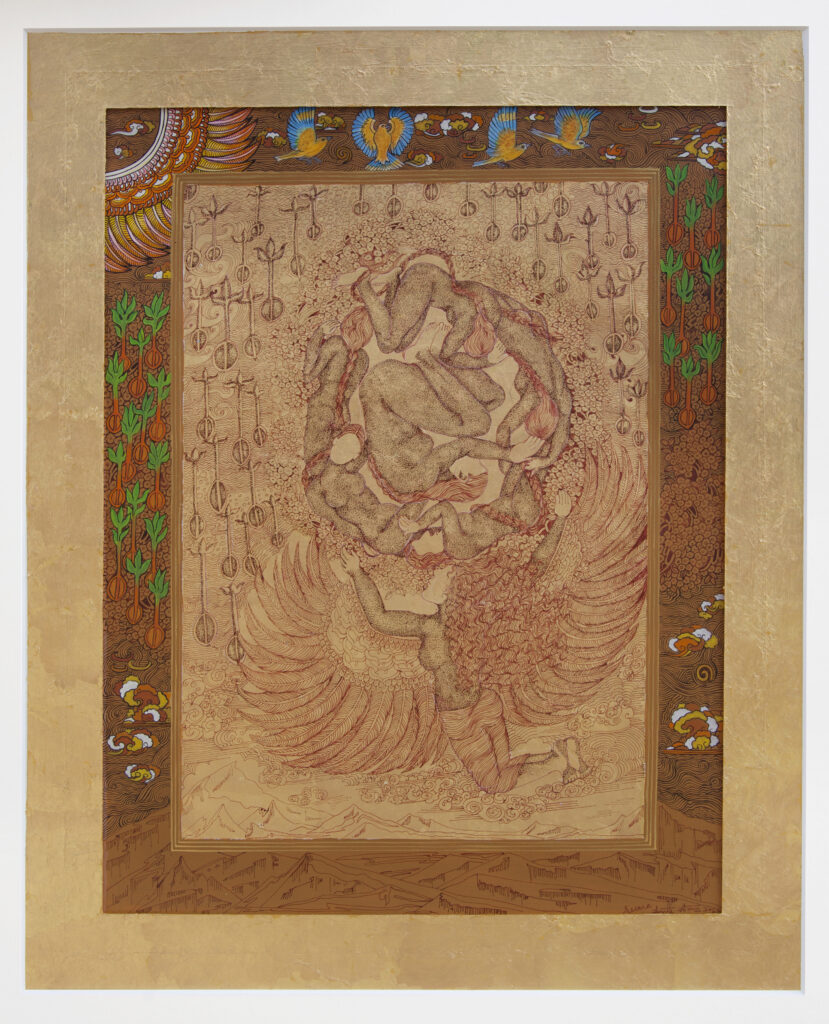
Paperworks, Paintings
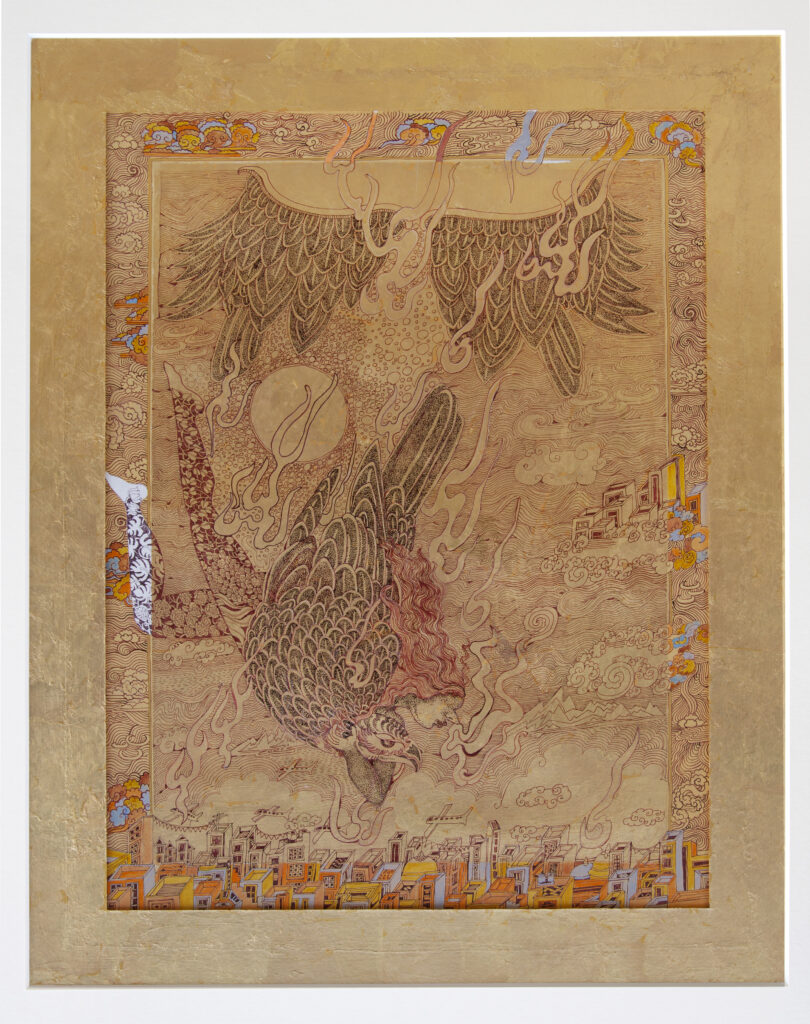
Paperworks, Paintings
Paperworks, Paintings


Paperworks, Paintings
Paperworks, Paintings
Canvas, Acrylic on Canvas

Canvas, Acrylic on Canvas

Canvas, Acrylic on Canvas

Sculptures, Bronze





Paperworks, Etching
Paperworks, Paintings
Paperworks, Paintings

Paperworks, Etching

Paperworks, Etching

Paperworks, Etching

Paperworks, Etching

Paperworks, Archival Photographic Works / Drawings

Paperworks, Archival Photographic Works / Drawings

Paperworks, Archival Photographic Works / Drawings

Paperworks, Archival Photographic Works / Drawings

Paperworks, Archival Photographic Works / Drawings

Paperworks, Archival Photographic Works / Drawings

Paperworks, Archival Photographic Works / Drawings

Canvas, Acrylic on Canvas

Canvas, Acrylic on Canvas

Canvas, Acrylic on Canvas

Canvas, Acrylic on Canvas


Sculptures, Glass-Reinforced Polymer

Canvas, Acrylic on Canvas

Threadworks, Cloth
Threadworks, Cloth
Canvas, Acrylic on Canvas
Canvas, Acrylic on Canvas
Canvas, Acrylic on Canvas
Paperworks, Paintings
Paperworks, Etching
Paperworks, Etching
Paperworks, Etching
Paperworks, Etching
Paperworks, Archival Photographic Works / Drawings
Paperworks, Archival Photographic Works / Drawings
Paperworks, Archival Photographic Works / Drawings
Paperworks, Archival Photographic Works / Drawings
Paperworks, Archival Photographic Works / Drawings
Paperworks, Archival Photographic Works / Drawings
Paperworks, Archival Photographic Works / Drawings
Paperworks, Etching
Paperworks, Etching

Canvas, Acrylic on Canvas
Canvas, Acrylic on Canvas

Canvas, Acrylic on Canvas

Canvas, Acrylic on Canvas

Threadworks, Embroidery

Threadworks, Embroidery

Threadworks, Embroidery

Threadworks, Embroidery

Threadworks, Embroidery

Threadworks, Embroidery

Threadworks, Embroidery

Threadworks, Embroidery

Threadworks, Embroidery

Threadworks, Embroidery

Threadworks, Embroidery

Threadworks, Embroidery

Threadworks, Embroidery

Threadworks, Embroidery

Threadworks, Embroidery

Threadworks, Embroidery

Threadworks, Embroidery

Threadworks, Embroidery

Threadworks, Embroidery

Threadworks, Embroidery

Threadworks, Embroidery

Threadworks, Embroidery

Threadworks, Embroidery

Threadworks, Embroidery

Threadworks, Embroidery
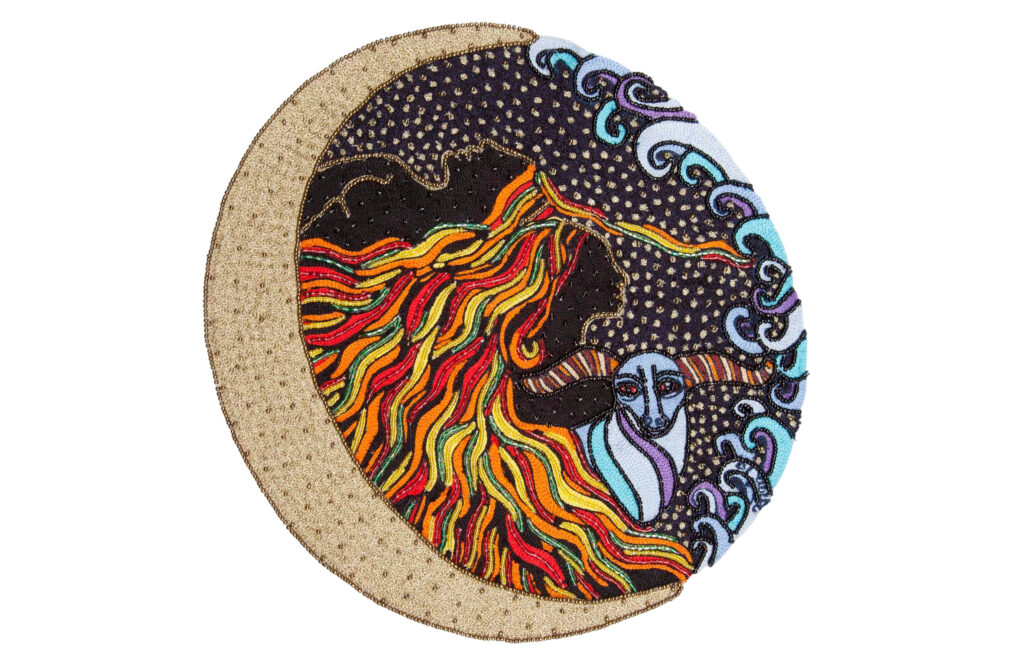
Threadworks, Embroidery

Threadworks, Embroidery

Threadworks, Embroidery

Sculptures, Bronze

Sculptures, Bronze

Sculptures, Bronze

Sculptures, Glass-Reinforced Polymer

Sculptures, Glass-Reinforced Polymer

Sculptures, Glass-Reinforced Polymer

Sculptures, Glass-Reinforced Polymer

Canvas, Acrylic on Canvas

Canvas, Acrylic on Canvas

Canvas, Acrylic on Canvas
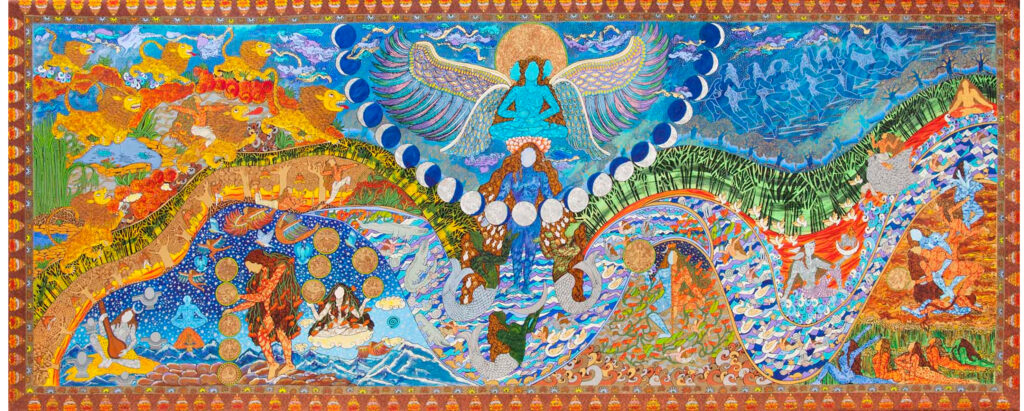
Canvas, Acrylic on Canvas

Canvas, Acrylic on Canvas

Canvas, Acrylic on Canvas
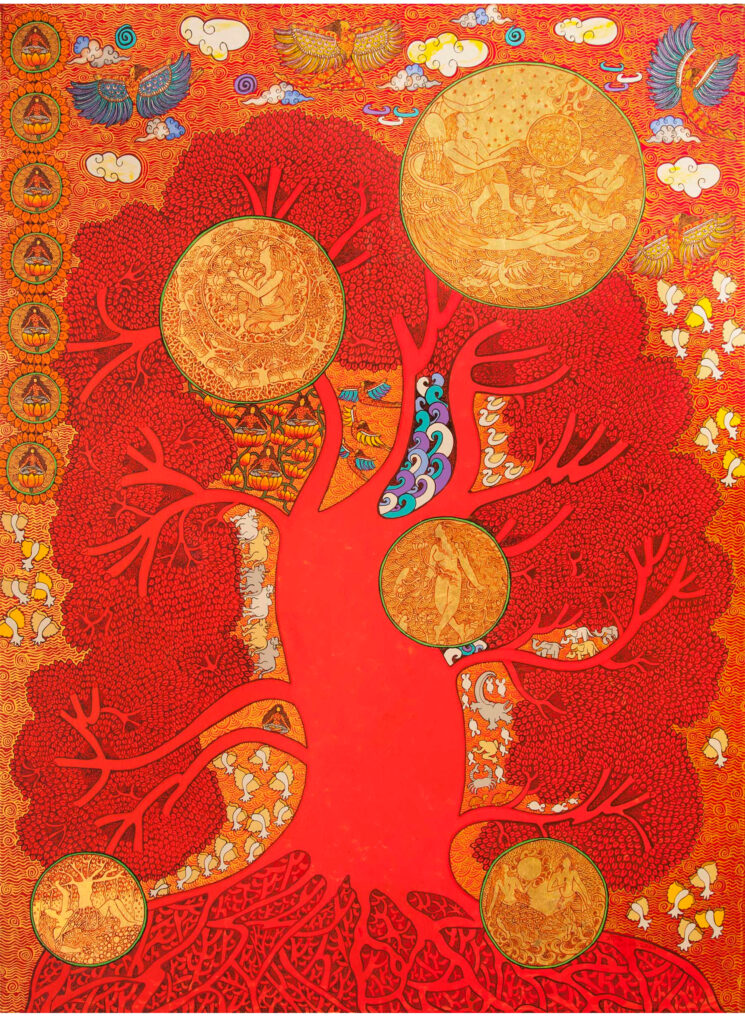
Canvas, Acrylic on Canvas

Canvas, Acrylic on Canvas

Canvas, Acrylic on Canvas

Canvas, Acrylic on Canvas
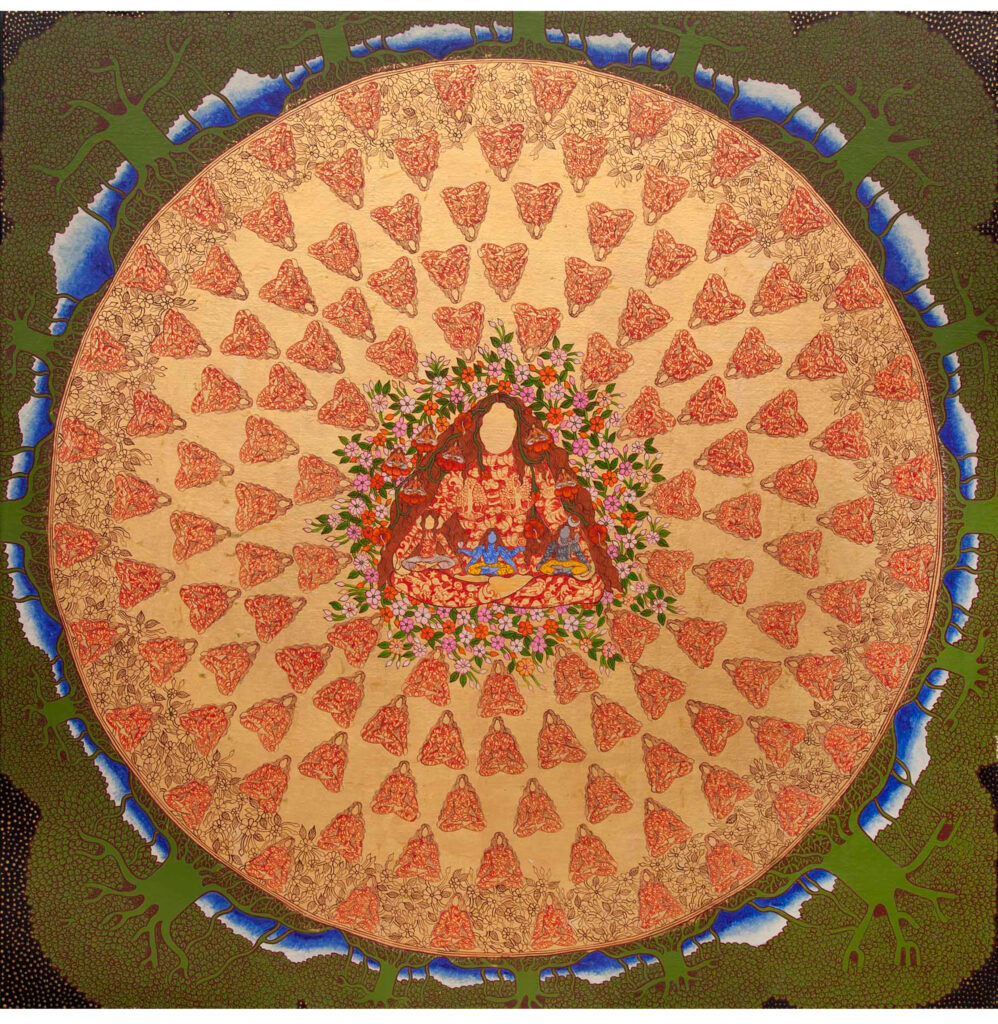
Canvas, Acrylic on Canvas

Canvas, Acrylic on Canvas

Canvas, Acrylic on Canvas

Canvas, Acrylic on Canvas

Canvas, Acrylic on Canvas

Canvas, Acrylic on Canvas

Canvas, Acrylic on Canvas

Canvas, Acrylic on Canvas

Canvas, Acrylic on Canvas

Canvas, Acrylic on Canvas

Canvas, Acrylic on Canvas

Canvas, Acrylic on Canvas

Canvas, Acrylic on Canvas

Canvas, Acrylic on Canvas





Canvas, Acrylic on Canvas


Canvas, Acrylic on Canvas

Canvas, Acrylic on Canvas

Canvas, Acrylic on Canvas

Canvas, Acrylic on Canvas

Canvas, Acrylic on Canvas
Canvas, Acrylic on Canvas

Canvas, Acrylic on Canvas

Canvas, Acrylic on Canvas
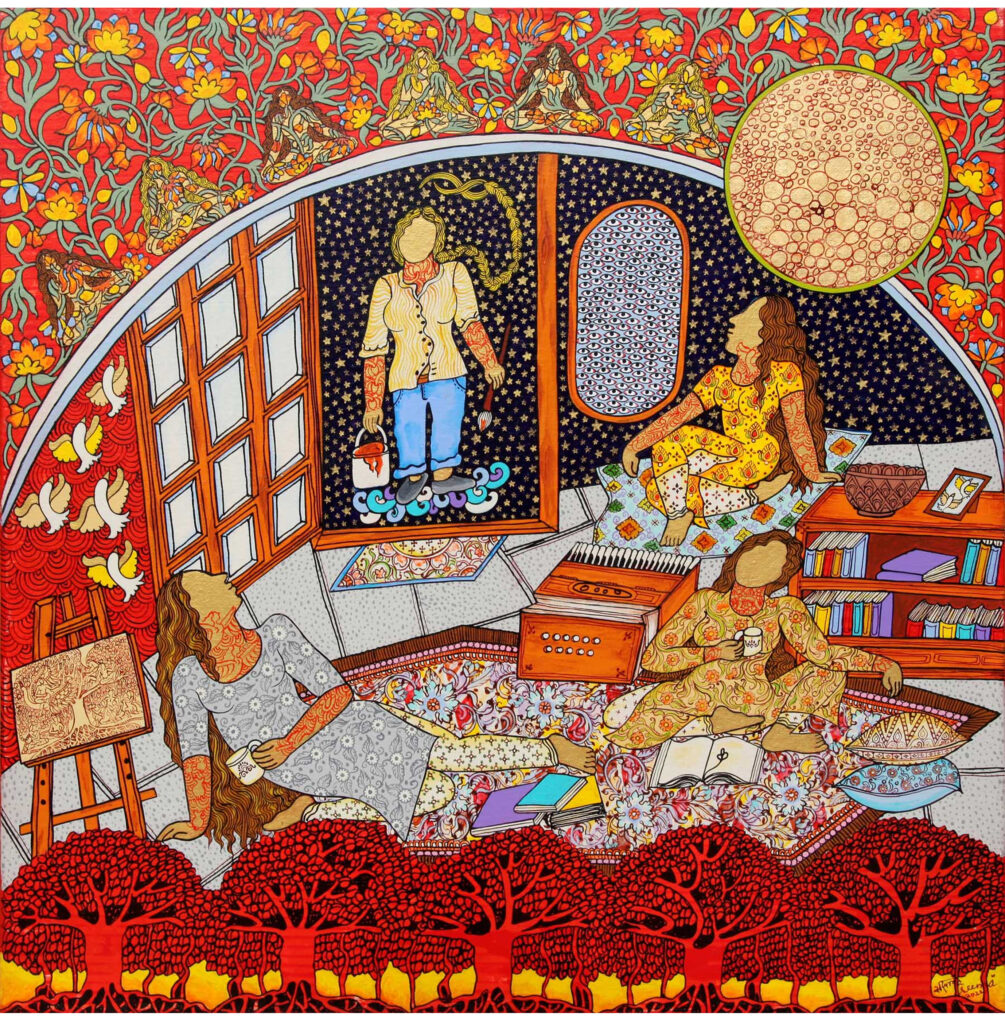
Canvas, Acrylic on Canvas

Canvas, Acrylic on Canvas

Canvas, Acrylic on Canvas
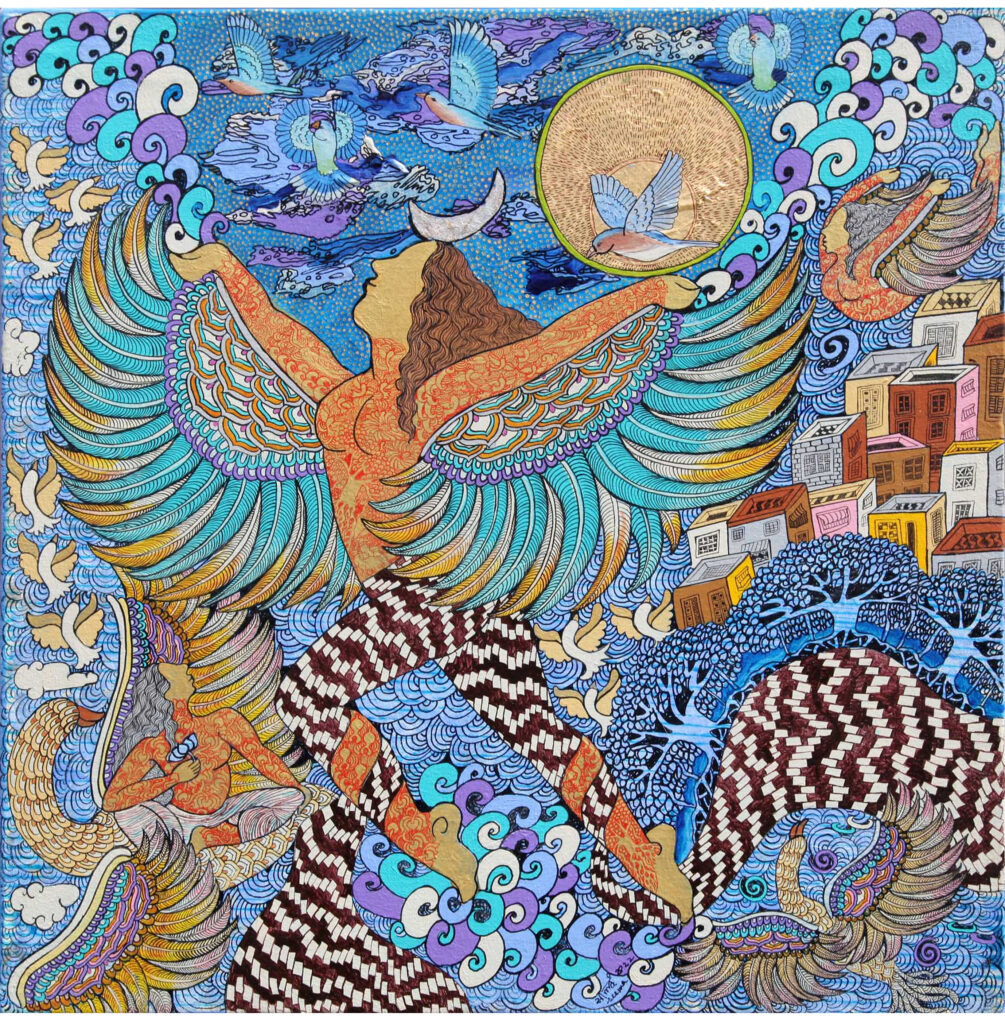
Canvas, Acrylic on Canvas

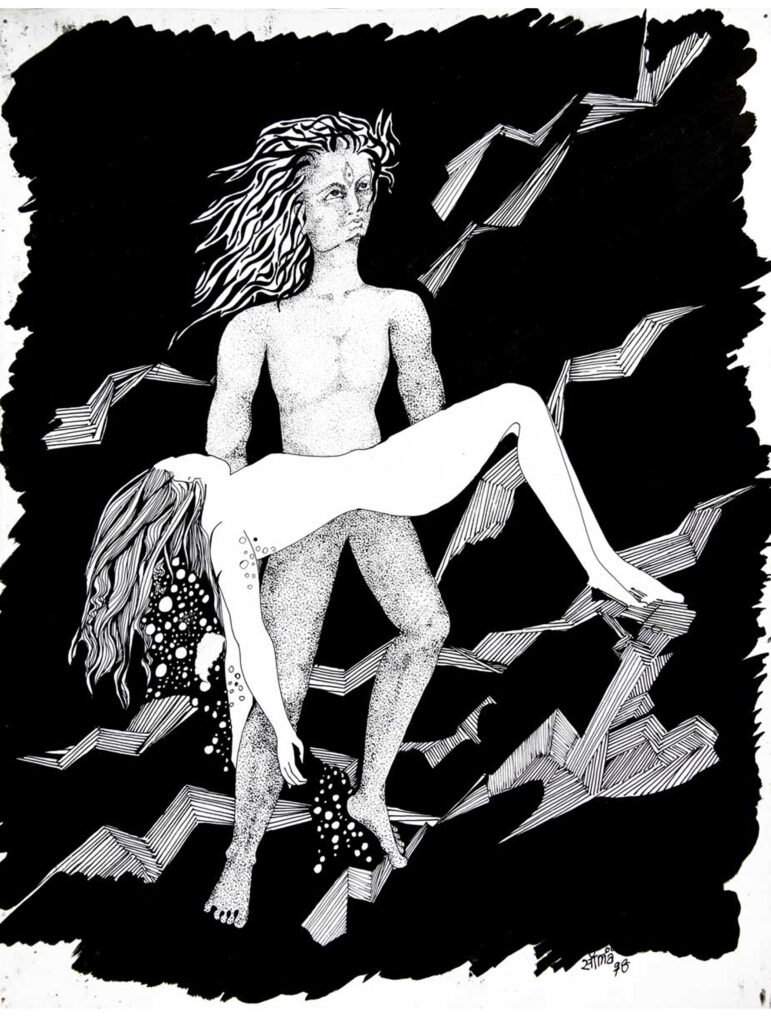
Paperworks, Paintings

Paperworks, Paintings

Paperworks, Paintings

Paperworks, Paintings

Paperworks, Paintings

Paperworks, Paintings

Canvas, Oil On Canvas

Canvas, Oil On Canvas

Canvas, Oil On Canvas

Canvas, Acrylic on Canvas
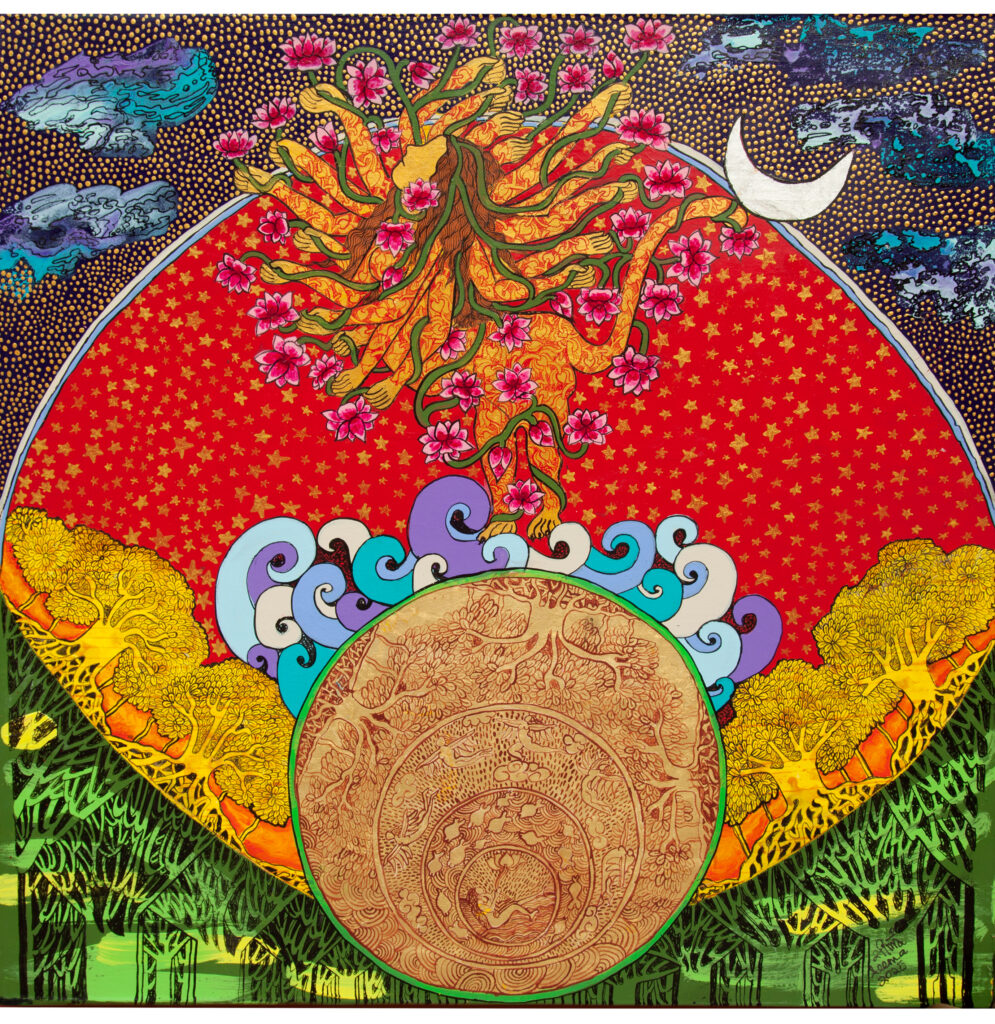
Canvas, Acrylic on Canvas

Canvas, Acrylic on Canvas

Canvas, Acrylic on Canvas

Canvas, Acrylic on Canvas

Canvas, Acrylic on Canvas

Canvas, Acrylic on Canvas




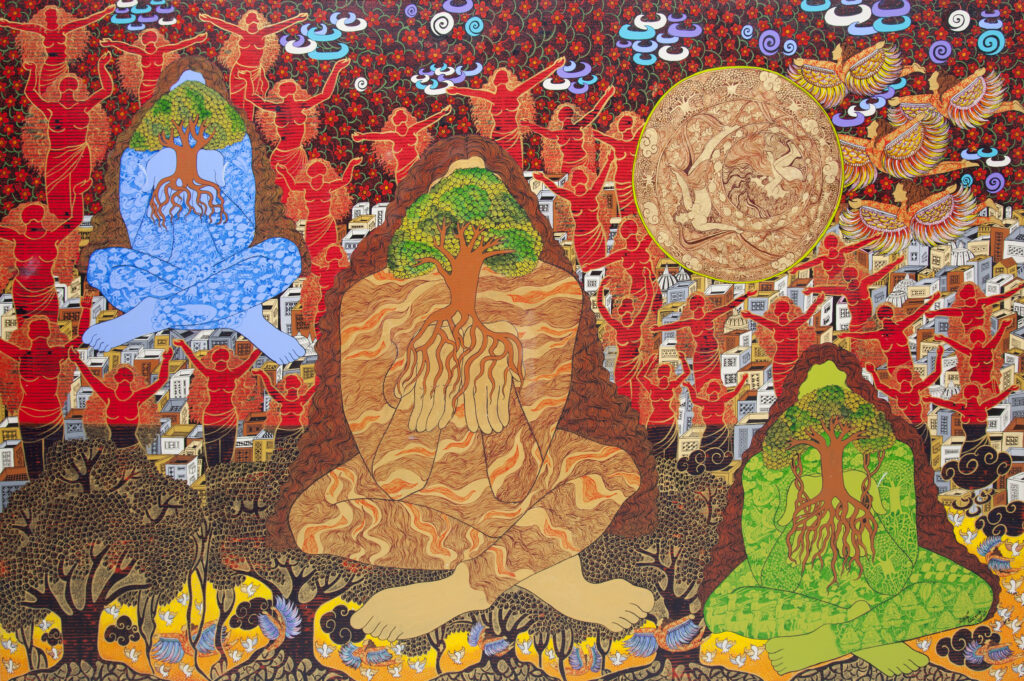
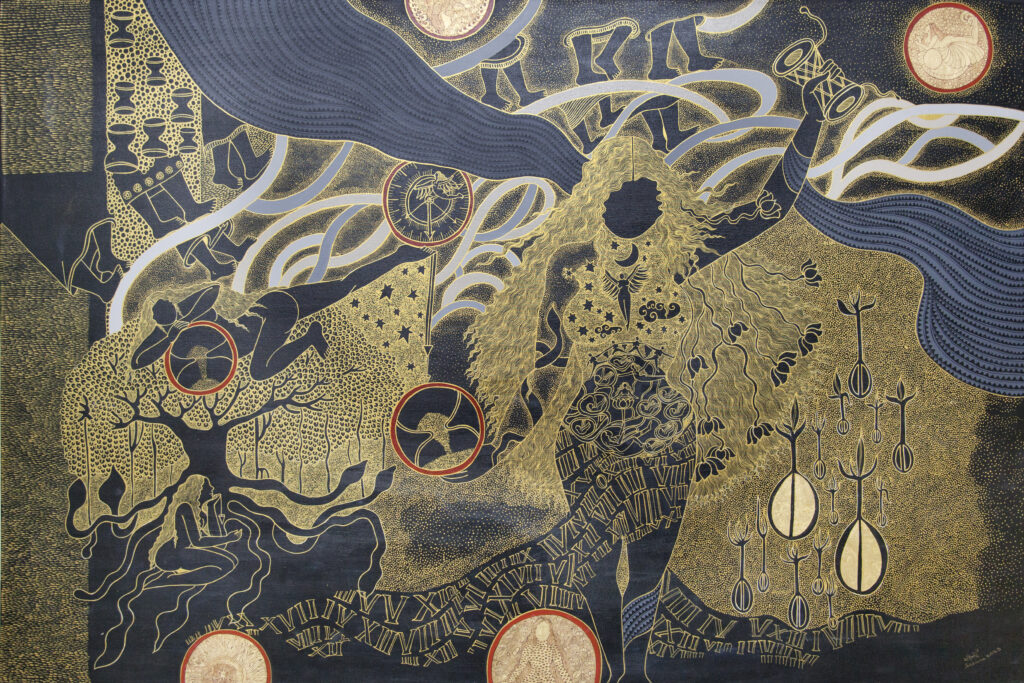


Canvas, Acrylic on Canvas

Canvas, Acrylic on Canvas

Canvas, Acrylic on Canvas

Canvas, Acrylic on Canvas

Canvas, Acrylic on Canvas

Woodworks, Acrylic On Wood

Woodworks, Acrylic On Wood



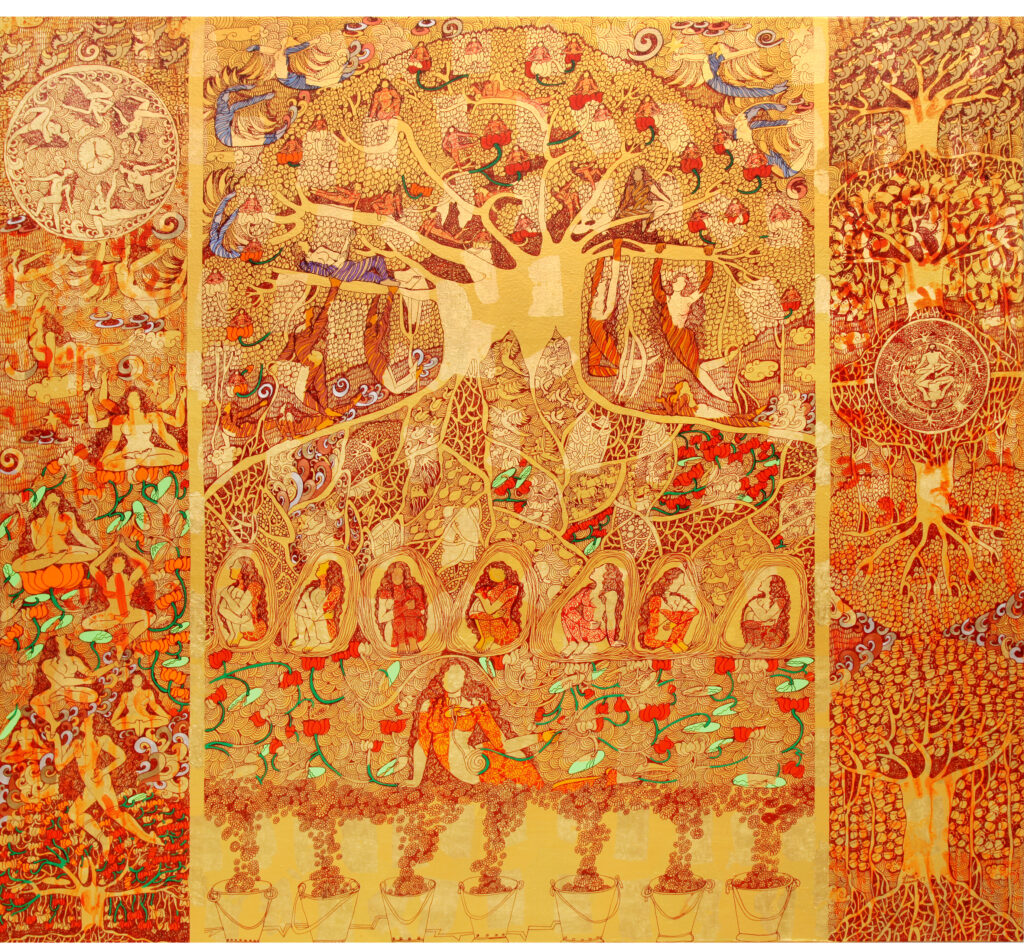
Canvas, Acrylic on Canvas


Sculptures, Bronze


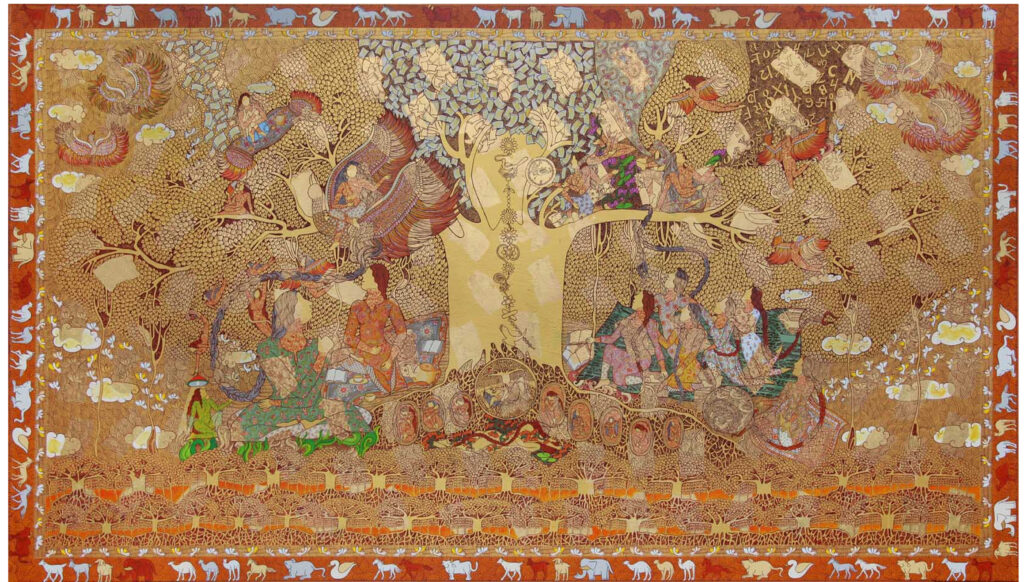
Canvas, Acrylic on Canvas
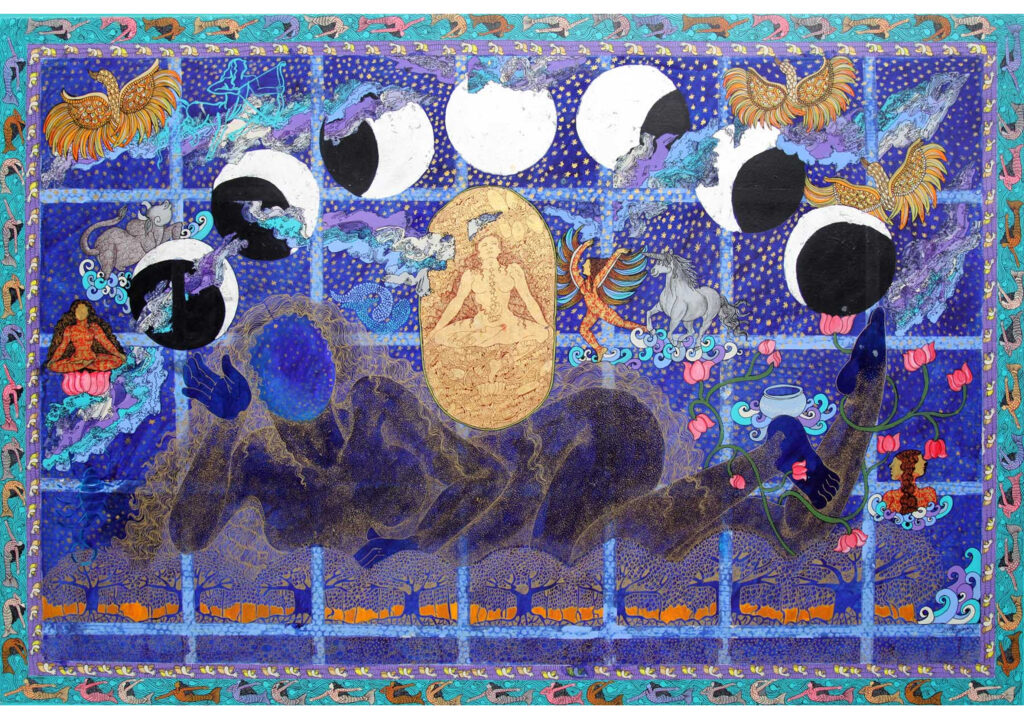
Canvas, Acrylic on Canvas
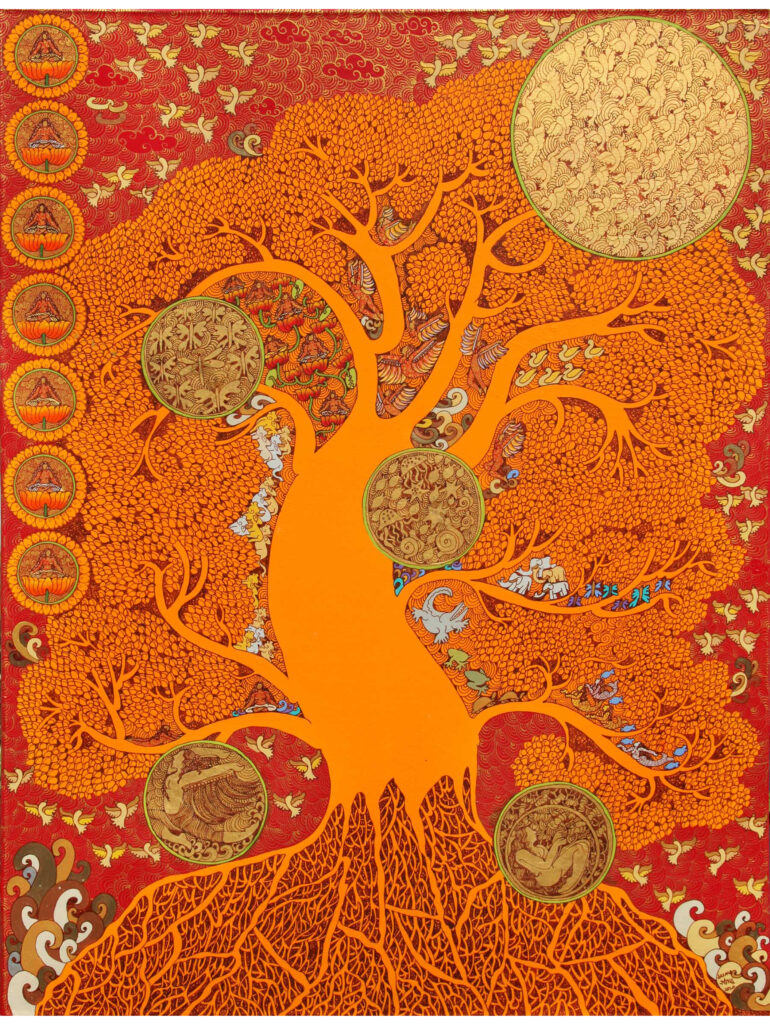
Canvas, Acrylic on Canvas

Canvas, Acrylic on Canvas
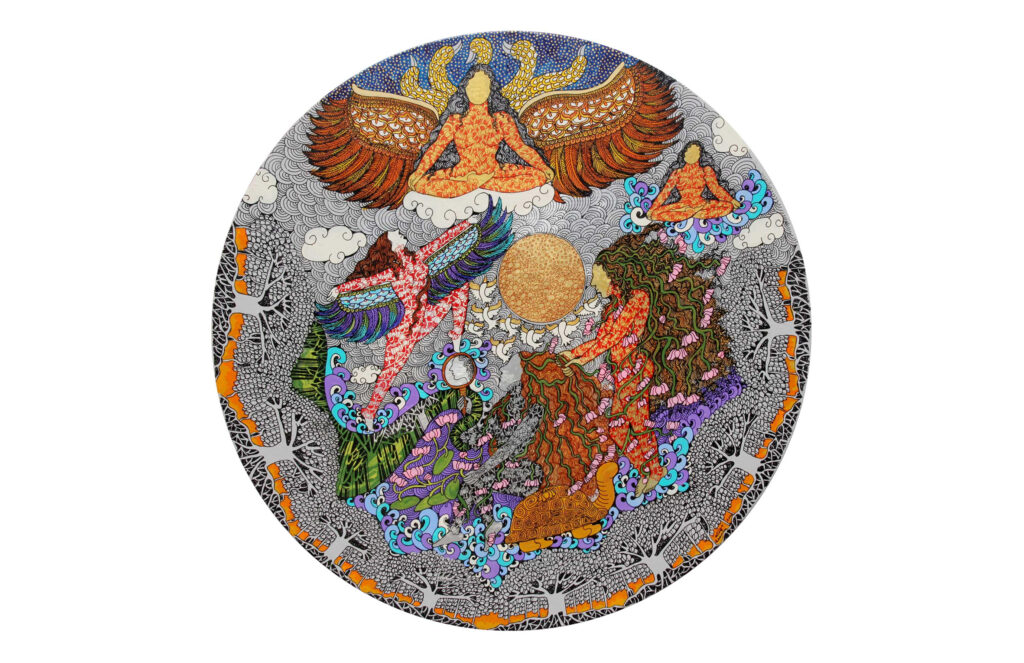
Canvas, Acrylic on Canvas


Canvas, Acrylic on Canvas

Canvas, Acrylic on Canvas

Canvas, Acrylic on Canvas


Canvas, Acrylic on Canvas
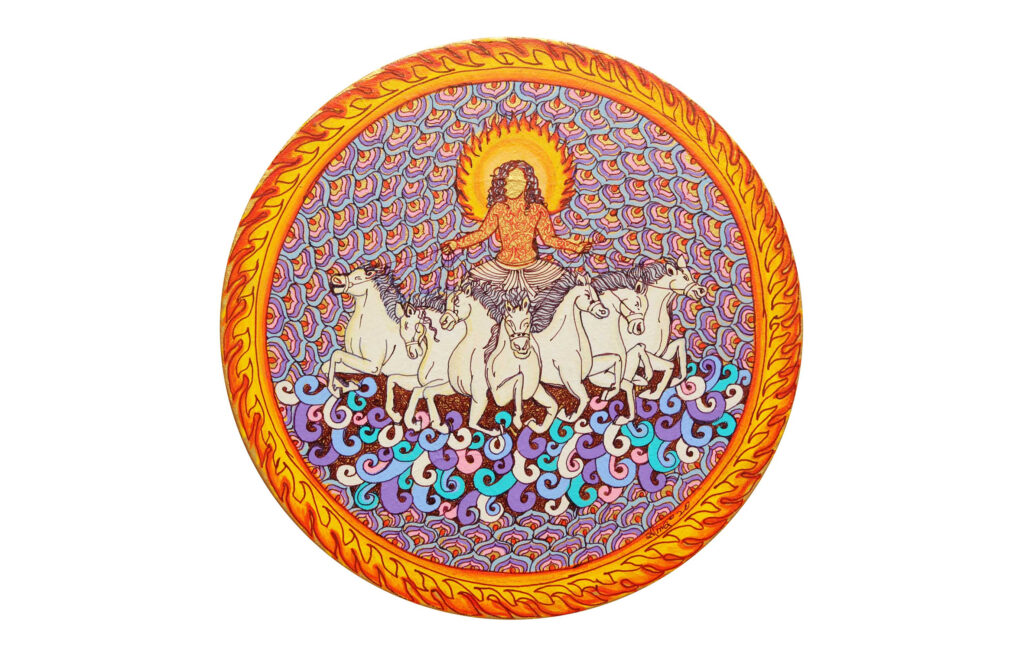
Canvas, Acrylic on Canvas

Canvas, Acrylic on Canvas

Canvas, Acrylic on Canvas

Canvas, Acrylic on Canvas

Canvas, Acrylic on Canvas

Canvas, Acrylic on Canvas

Canvas, Acrylic on Canvas
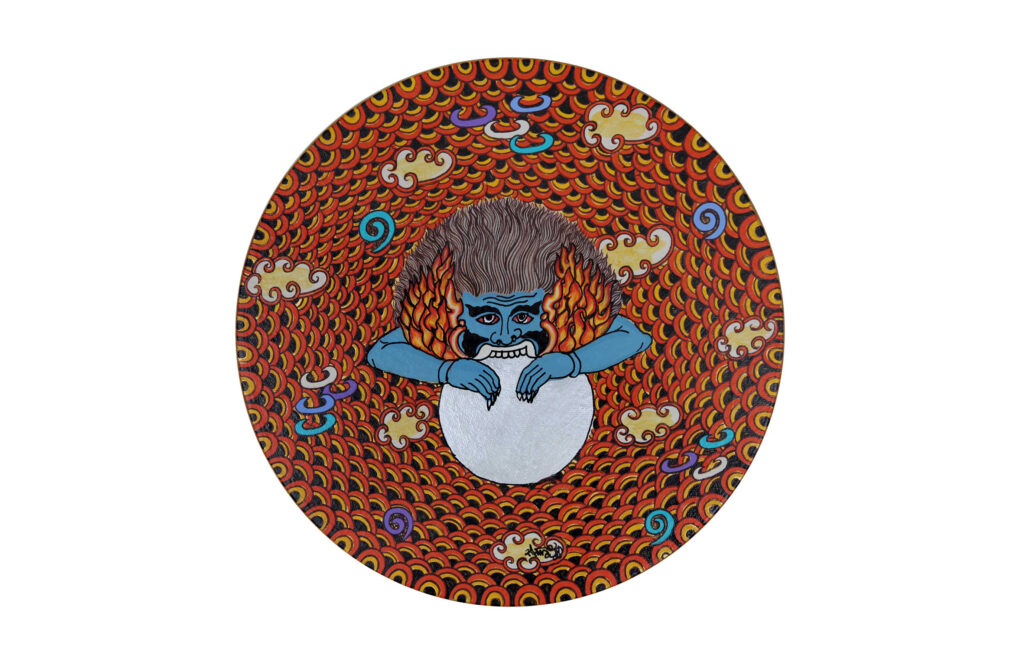
Canvas, Acrylic on Canvas

Canvas, Acrylic on Canvas

Paperworks, Etching


Canvas, Archival Print
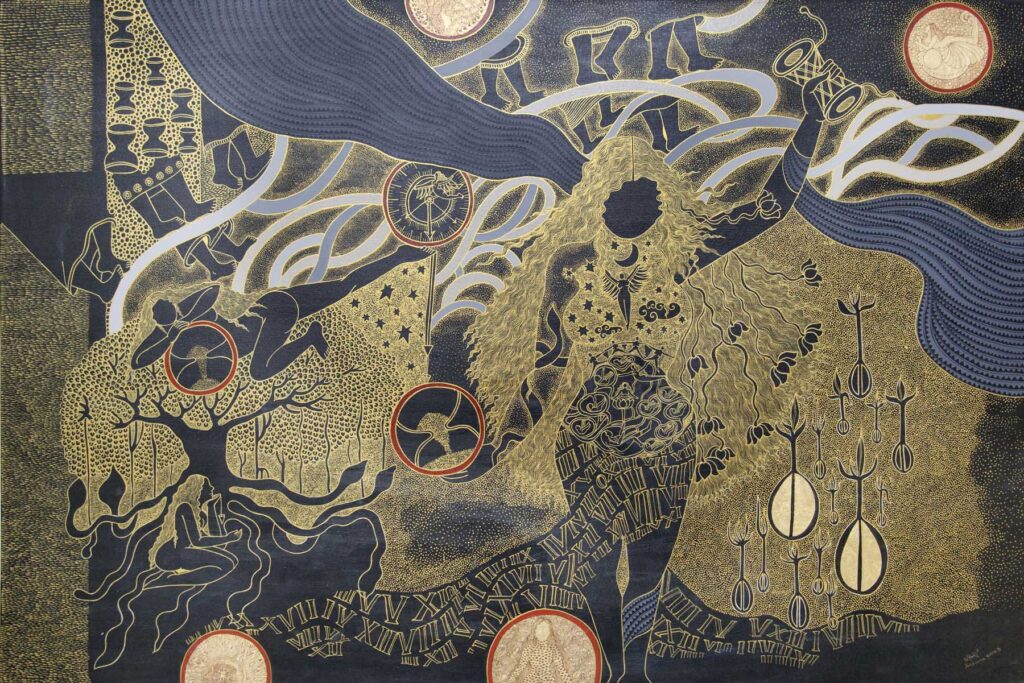
Canvas, Acrylic on Canvas

Canvas, Acrylic on Canvas

Canvas, Acrylic on Canvas

Canvas, Acrylic on Canvas

Canvas, Acrylic on Canvas

Canvas, Acrylic on Canvas

Canvas, Acrylic on Canvas

Canvas, Acrylic on Canvas

Canvas, Acrylic on Canvas

Canvas, Acrylic on Canvas

Canvas, Acrylic on Canvas

Canvas, Acrylic on Canvas
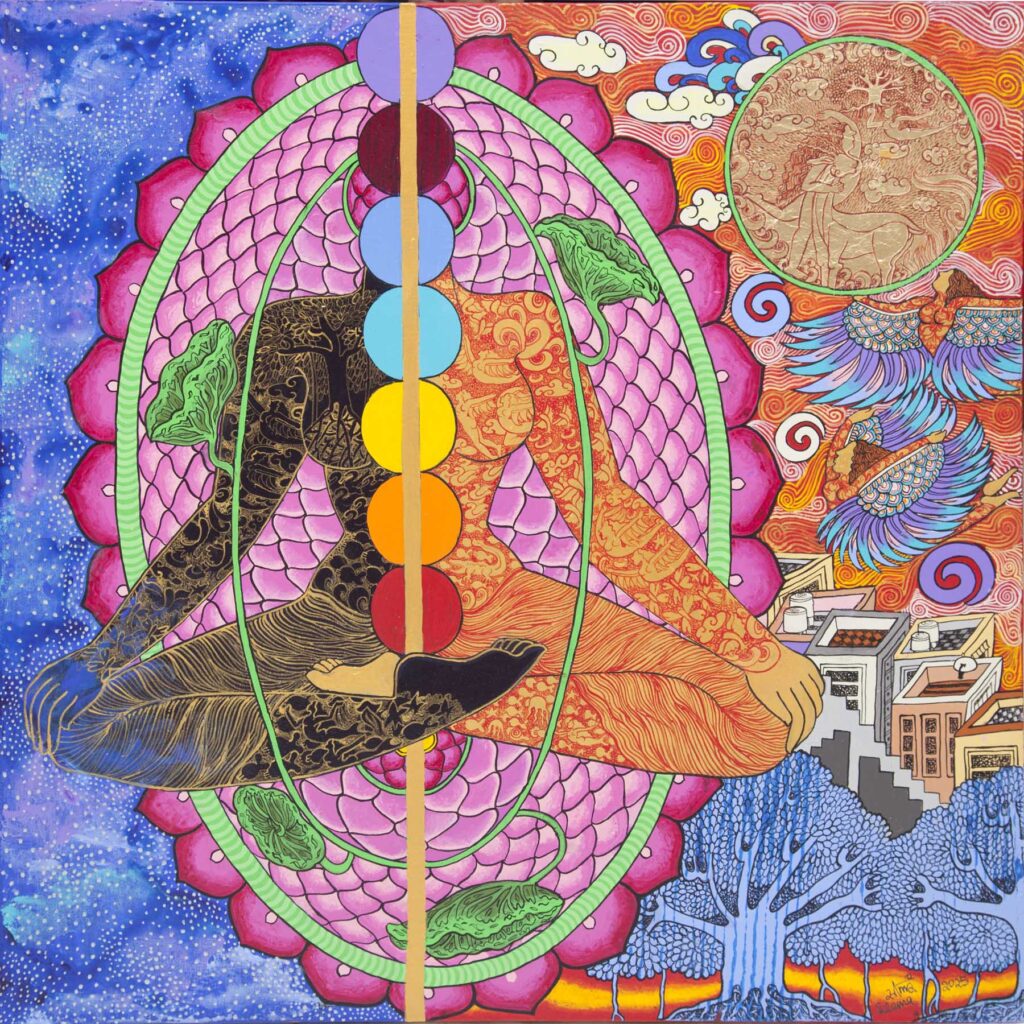
Canvas, Acrylic on Canvas


Sculptures, Paintings

Threadworks, Cloth

Paperworks, Paintings

Paperworks, Paintings




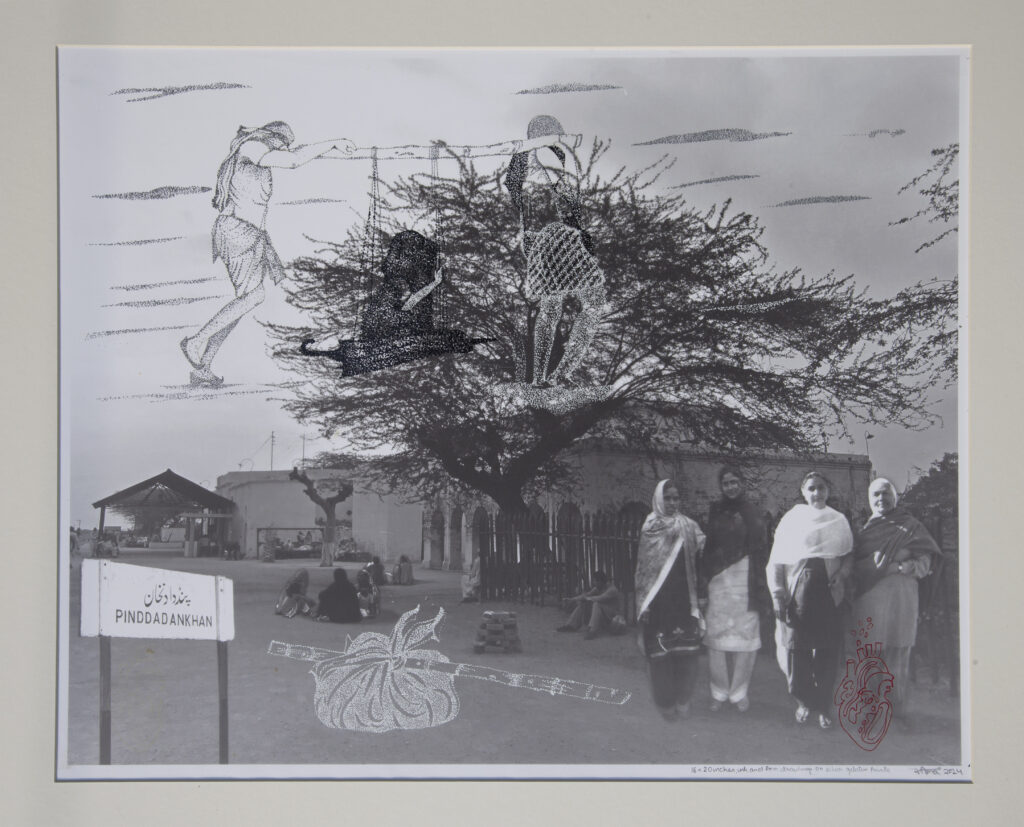


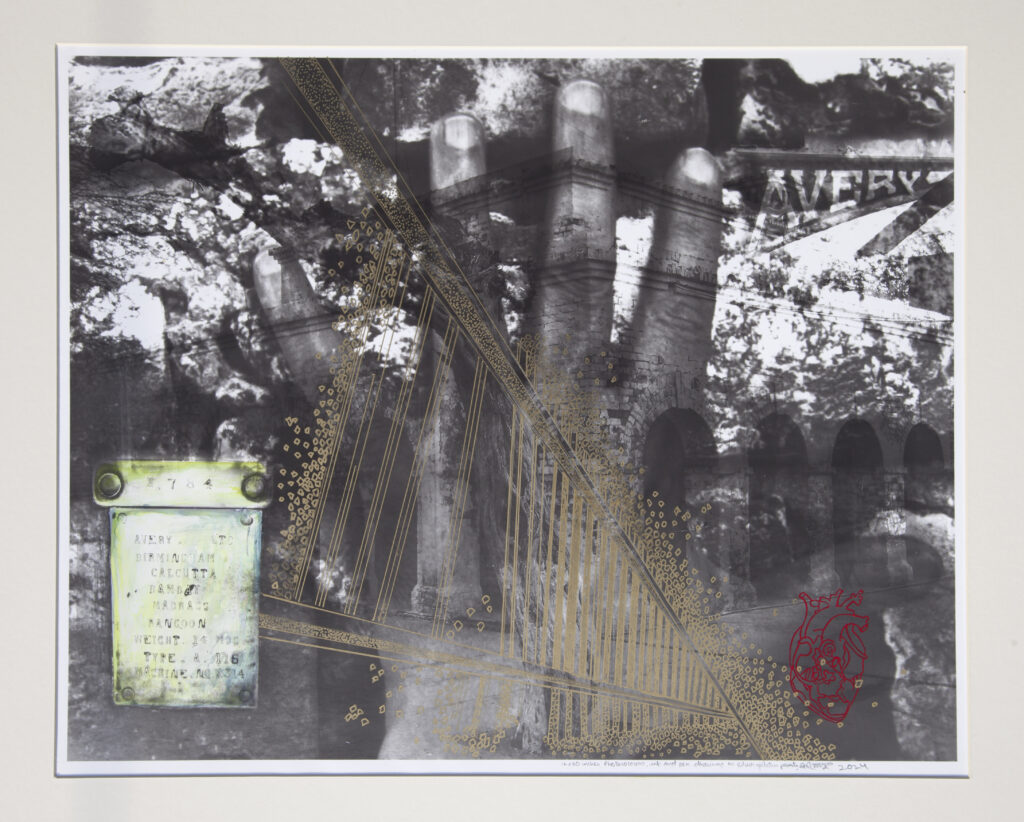


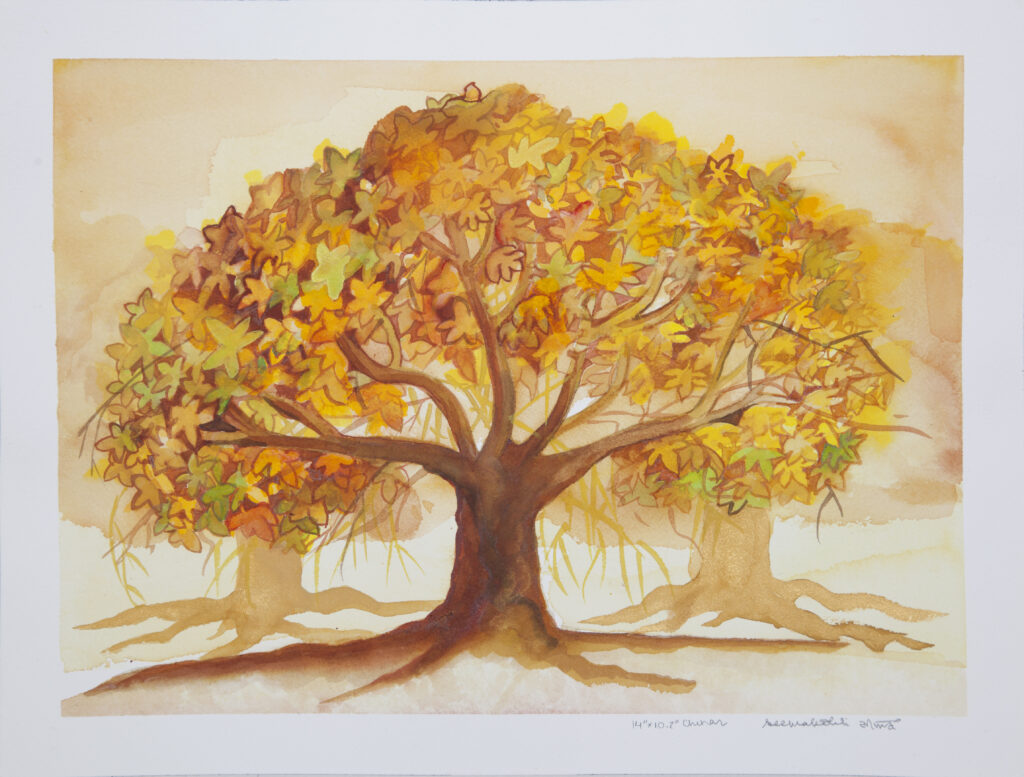


Canvas, Acrylic on Canvas
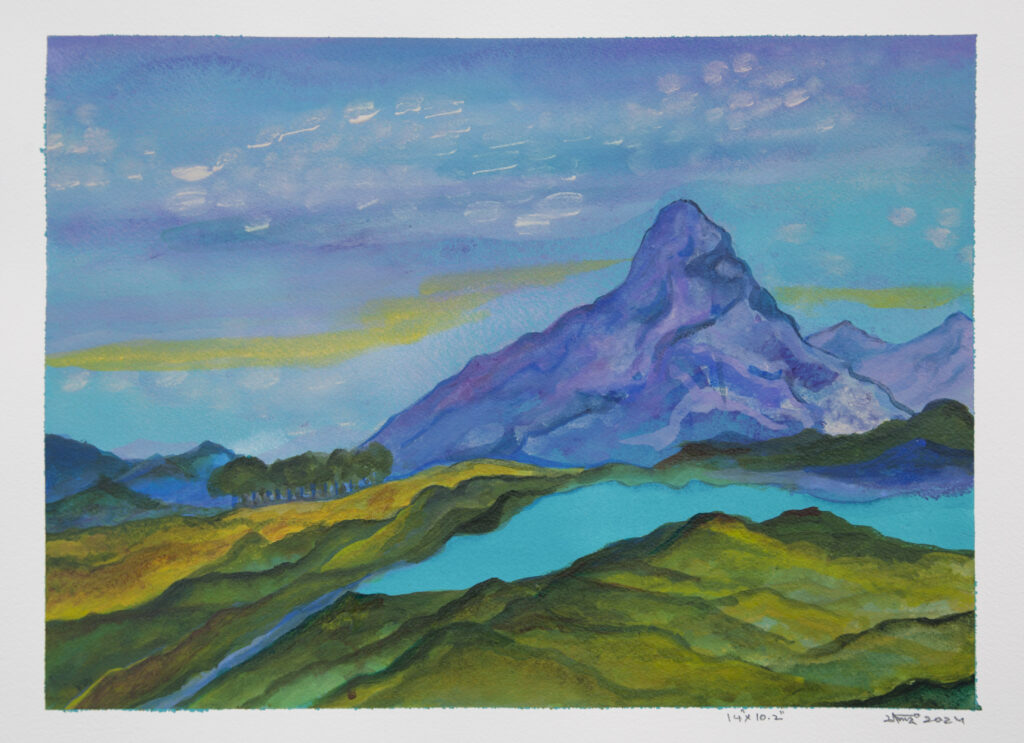
Canvas, Acrylic on Canvas


Canvas, Acrylic on Canvas

Paperworks, Lithographs
Paperworks, Lithographs


Paperworks, Lithographs


Canvas, Acrylic on Canvas

Canvas, Acrylic on Canvas

Canvas, Acrylic on Canvas

Canvas, Acrylic on Canvas

Canvas, Acrylic on Canvas


Threadworks, Embroidery

Threadworks, Embroidery

Threadworks, Embroidery

Threadworks, Embroidery

Threadworks, Embroidery

Threadworks, Embroidery

Threadworks, Embroidery

Threadworks, Embroidery

Threadworks, Embroidery

Threadworks, Embroidery

Threadworks, Embroidery

Threadworks, Embroidery

Threadworks, Embroidery

Threadworks, Embroidery

Threadworks, Embroidery

Threadworks, Embroidery

Threadworks, Embroidery

Threadworks, Embroidery
Threadworks, Embroidery

Threadworks, Embroidery

Threadworks, Embroidery

Threadworks, Embroidery

Threadworks, Embroidery

Threadworks, Embroidery

Threadworks, Embroidery

Threadworks, Embroidery

Threadworks, Embroidery
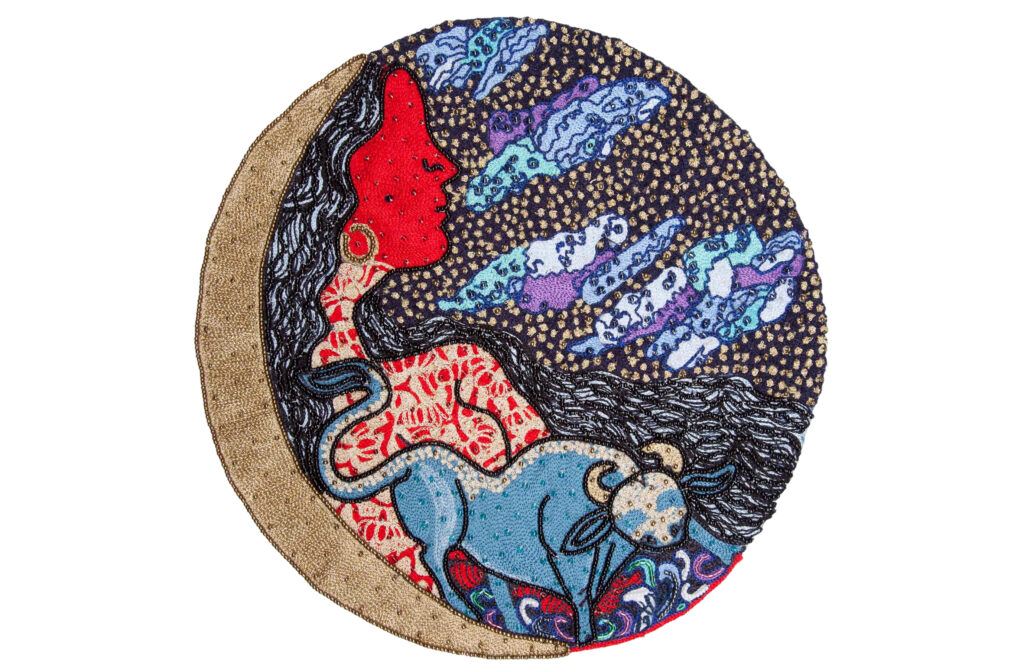
Threadworks, Embroidery

Threadworks, Embroidery

Paperworks, Zinc Plate Intaglio Print

Paperworks, Zinc Plate Intaglio Print

Paperworks, Zinc Plate Intaglio Print

Paperworks, Zinc Plate Intaglio Print

Paperworks, Zinc Plate Intaglio Print

Paperworks, Zinc Plate Intaglio Print

Paperworks, Zinc Plate Intaglio Print
Paperworks, Zinc Plate Intaglio Print

Paperworks, Zinc Plate Intaglio Print

Paperworks, Zinc Plate Intaglio Print


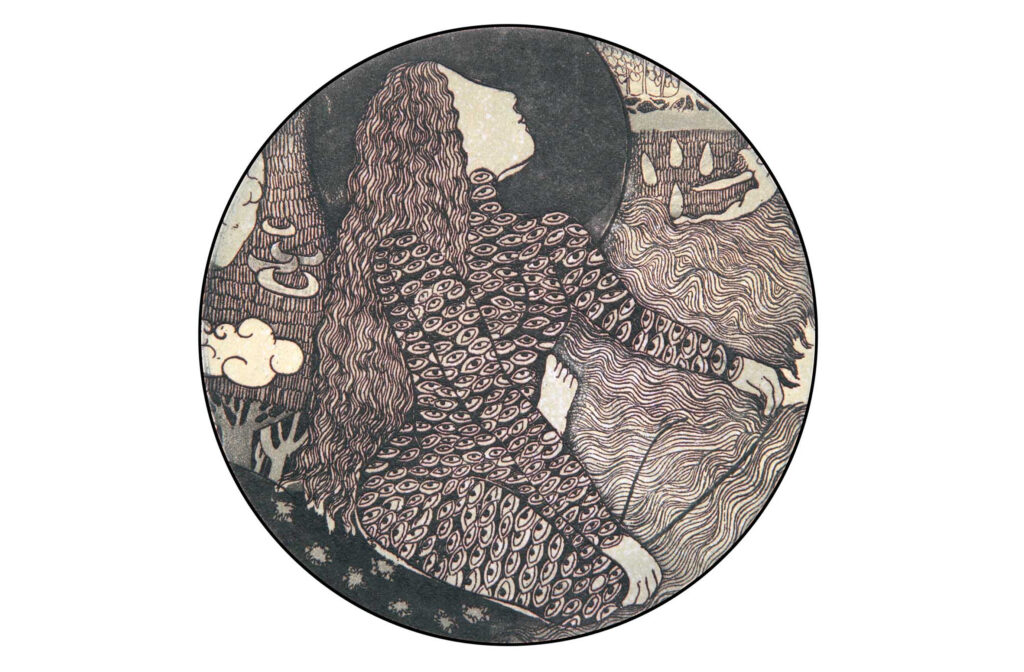

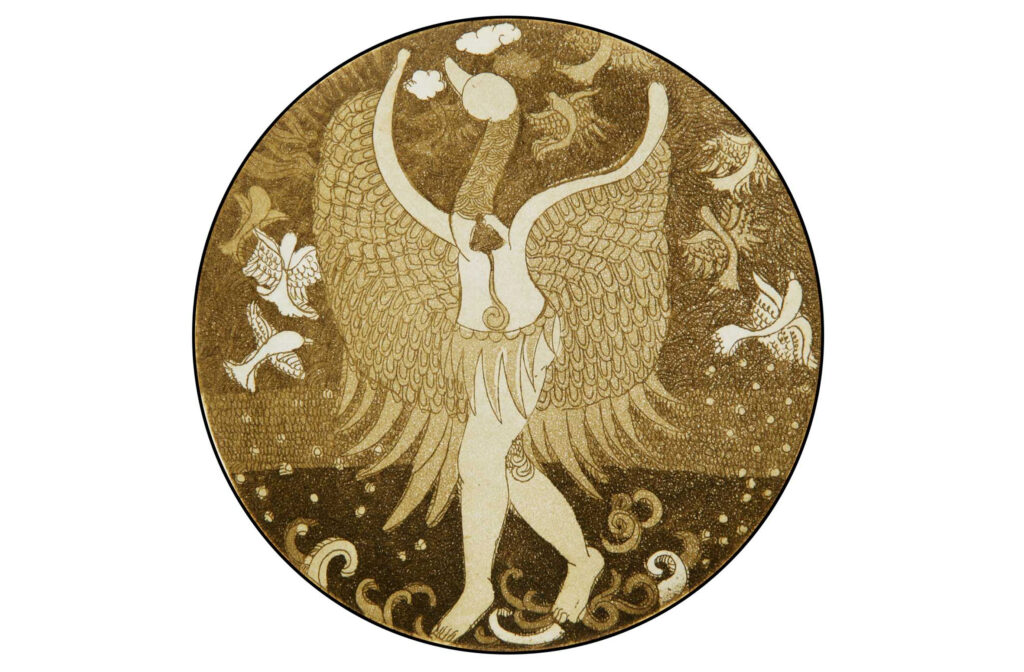


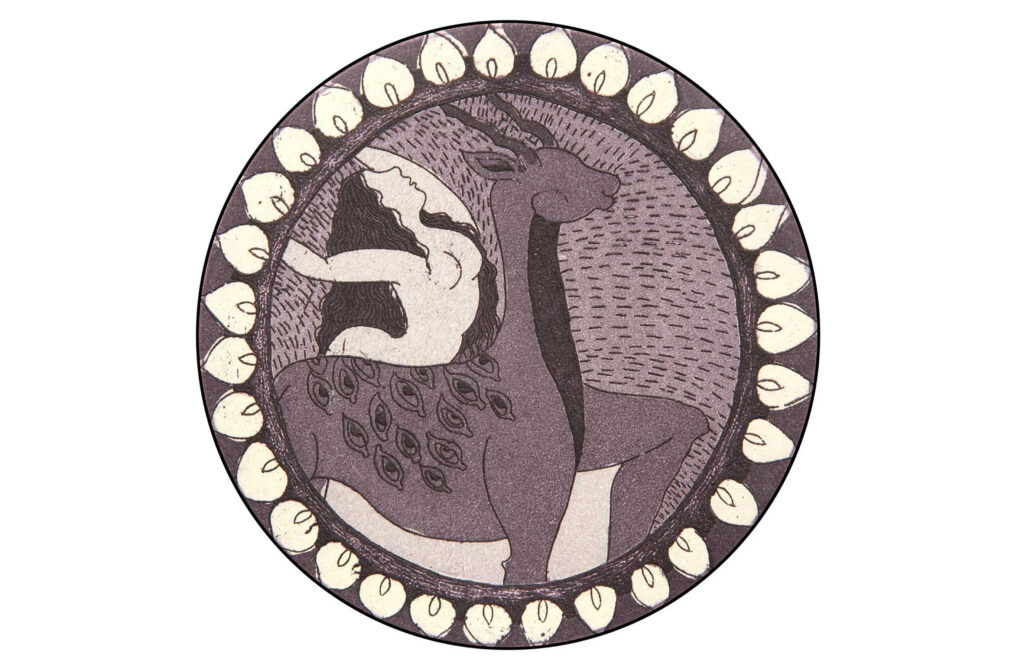


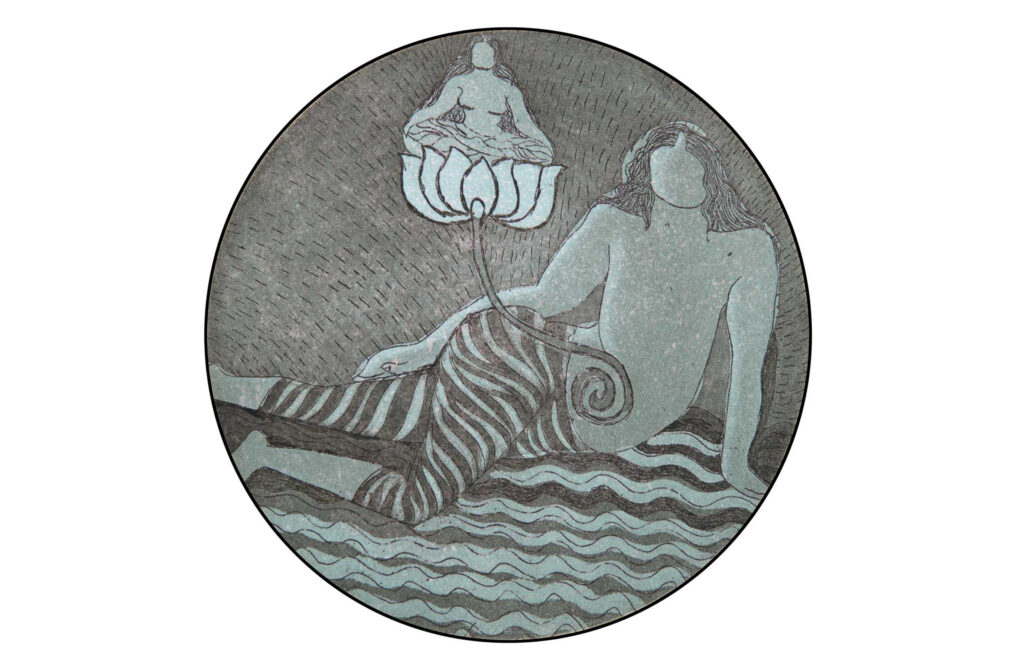
Paperworks, Etching




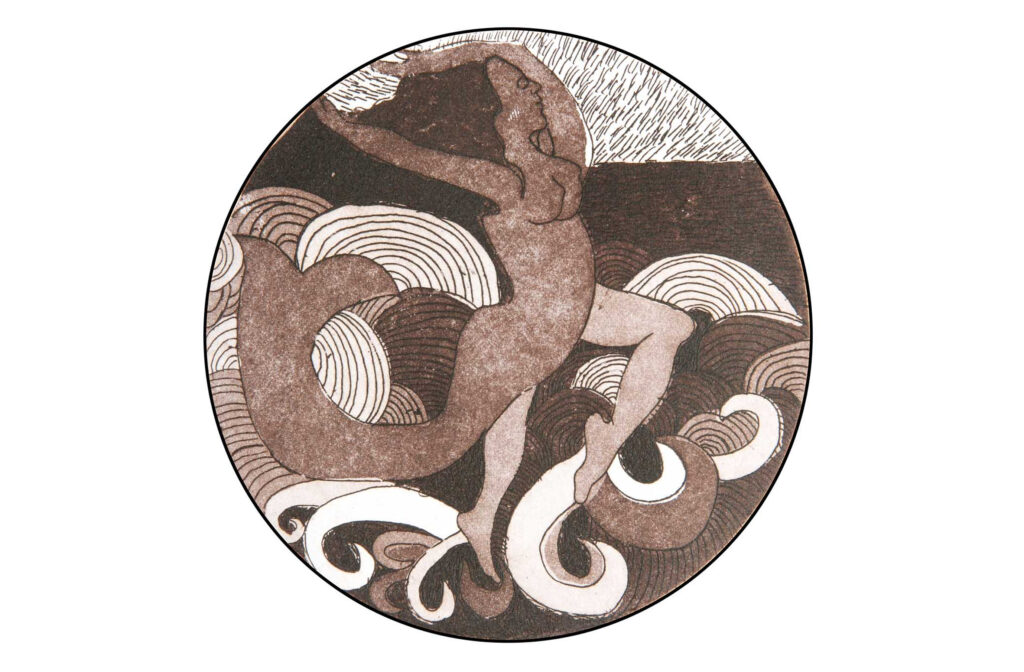


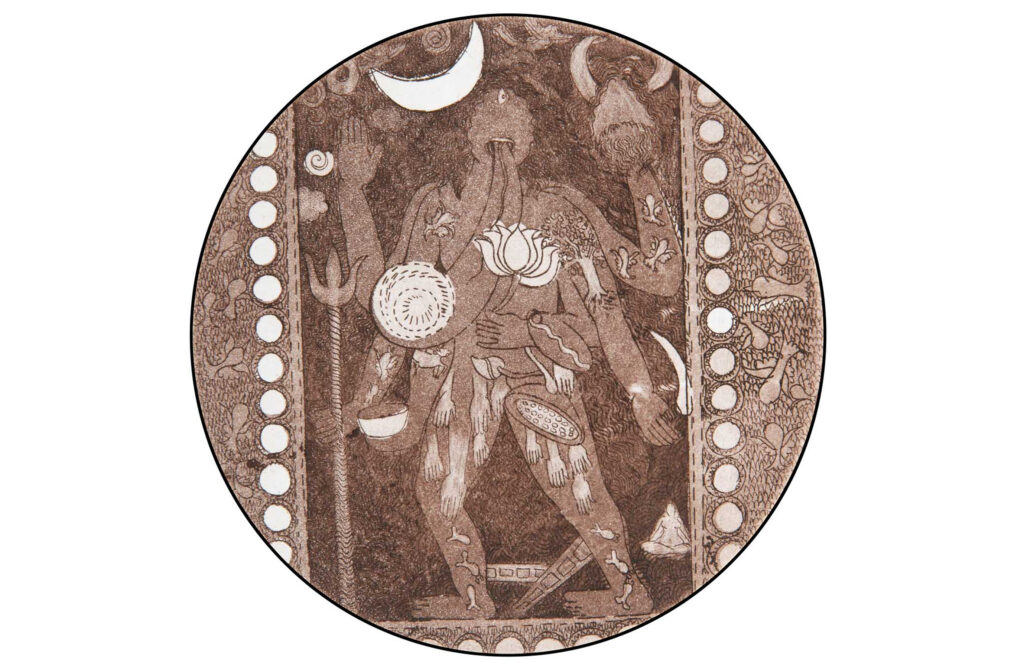


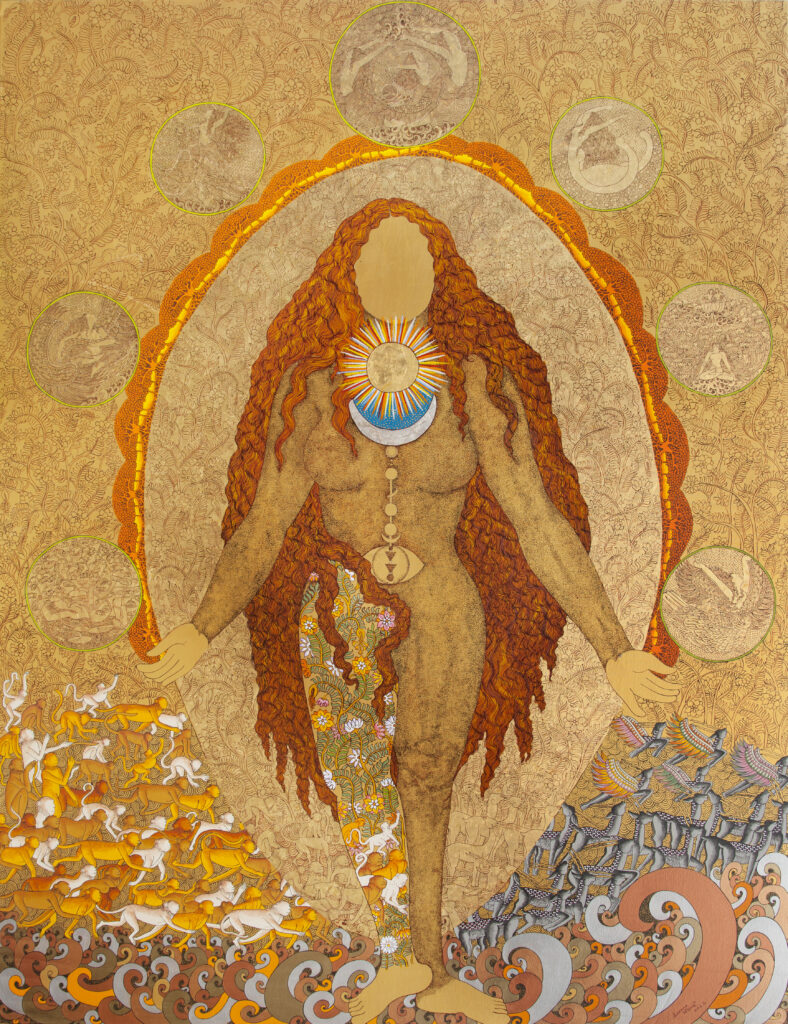
Canvas, Acrylic on Canvas
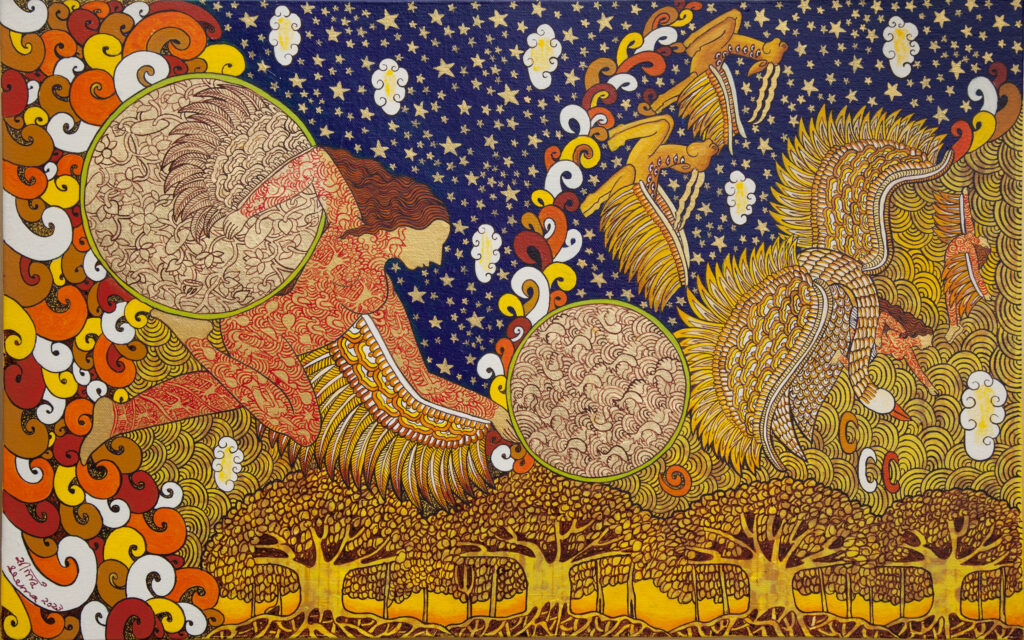
Canvas, Acrylic on Canvas


Canvas, Acrylic on Canvas


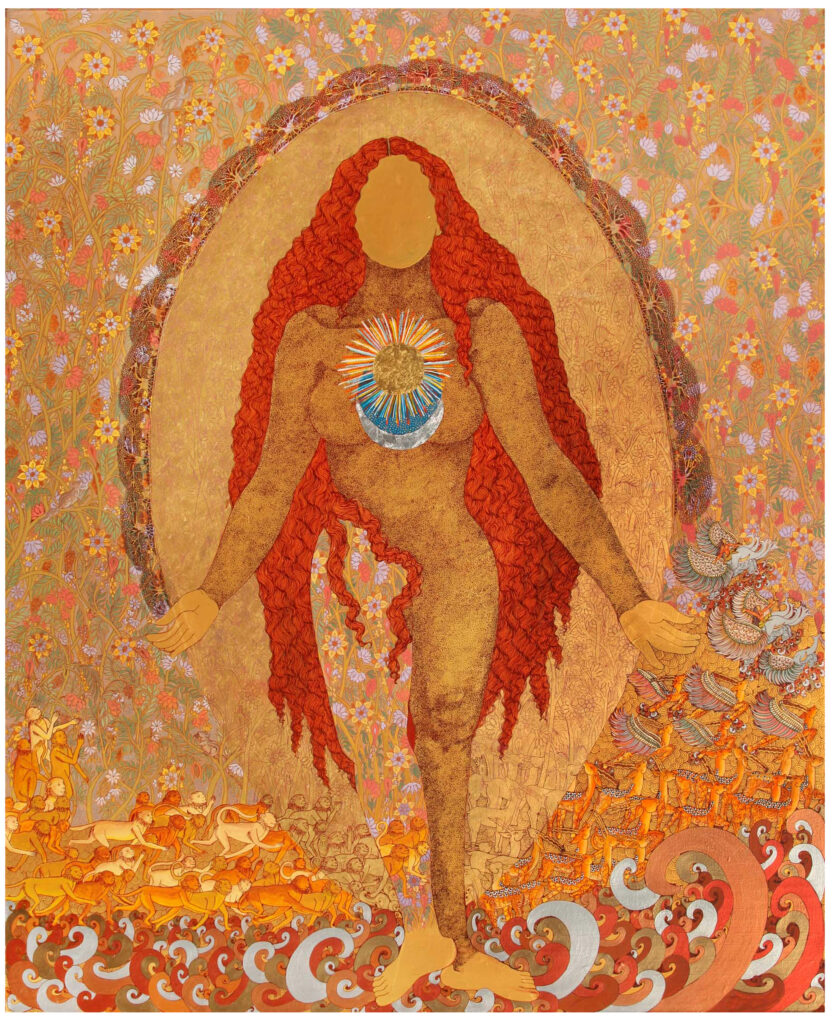
Canvas, Acrylic on Canvas

Canvas, Acrylic on Canvas
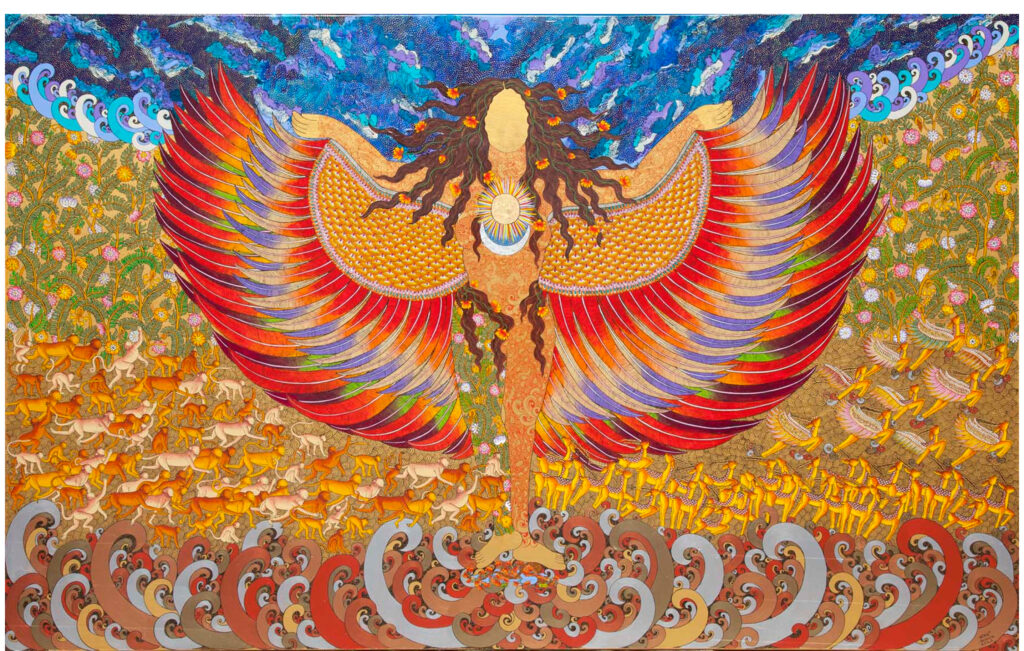

Threadworks, Embroidery

Threadworks, Embroidery

Threadworks, Embroidery

Threadworks, Embroidery

Threadworks, Embroidery

Threadworks, Embroidery

Threadworks, Embroidery


Threadworks, Embroidery

Threadworks, Embroidery

Sculptures, Wooden

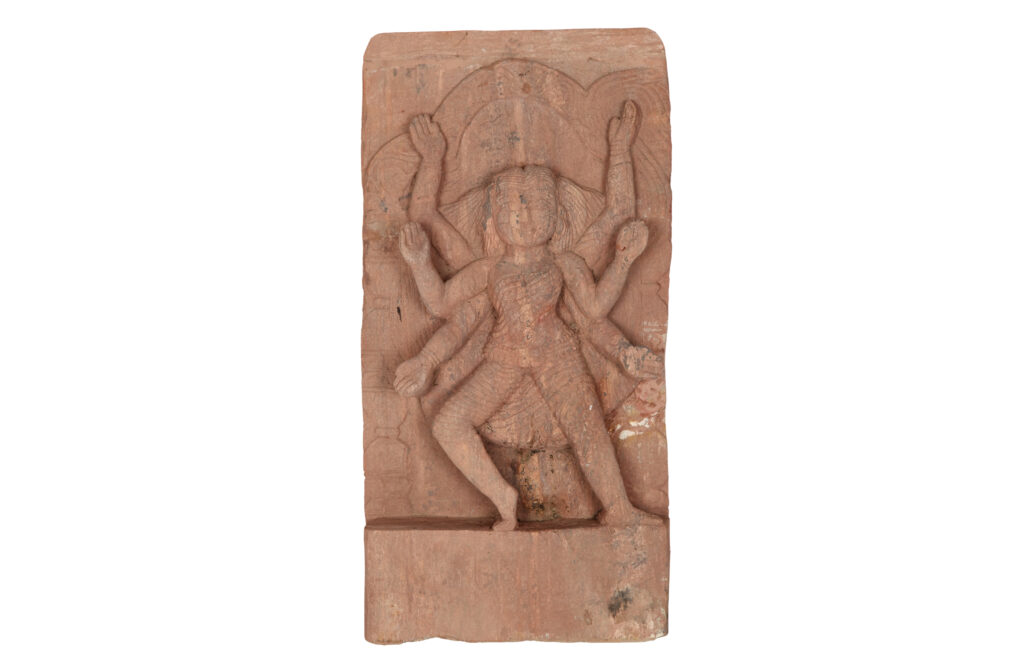
Sculptures, Sandstone

Sculptures, Sandstone

Sculptures, Sandstone

Sculptures, Sandstone

Sculptures, Sandstone

Sculptures, Sandstone

Sculptures, Sandstone

Sculptures, Sandstone

Sculptures, Sandstone

Sculptures, Sandstone

Sculptures, Sandstone

Sculptures, Sandstone

Sculptures, Sandstone

Sculptures, Sandstone

Sculptures, Sandstone

Sculptures, Sandstone

Sculptures, Sandstone

Sculptures, Sandstone

Sculptures, Sandstone

Sculptures, Sandstone

Sculptures, Sandstone

Sculptures, Sandstone

Sculptures, Sandstone
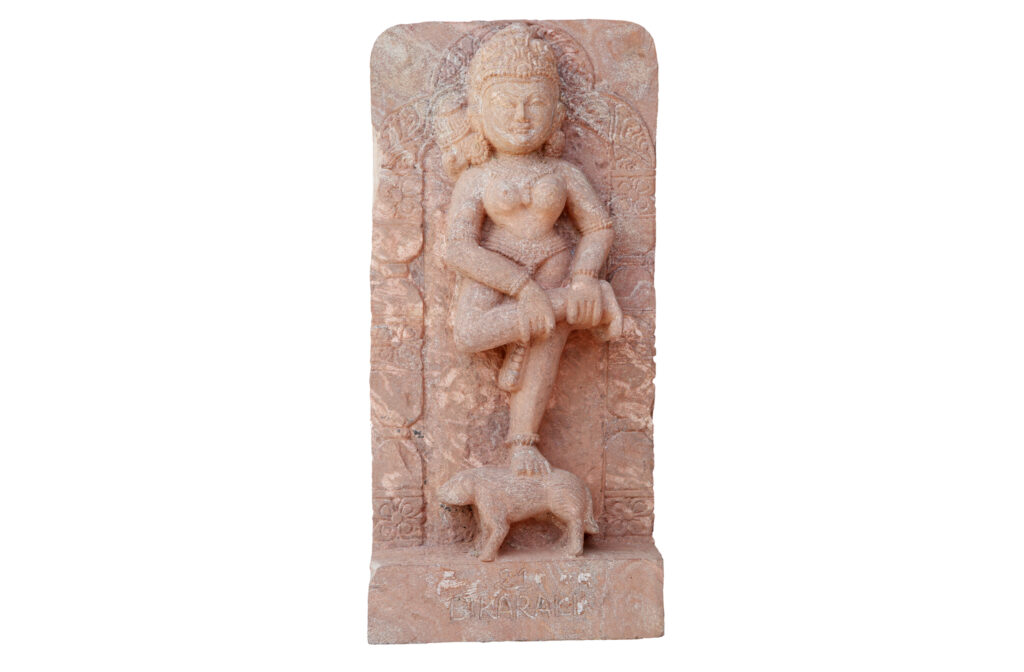
Sculptures, Sandstone

Sculptures, Sandstone

Sculptures, Sandstone

Sculptures, Sandstone

Sculptures, Sandstone

Sculptures, Sandstone

Sculptures, Sandstone

Sculptures, Sandstone
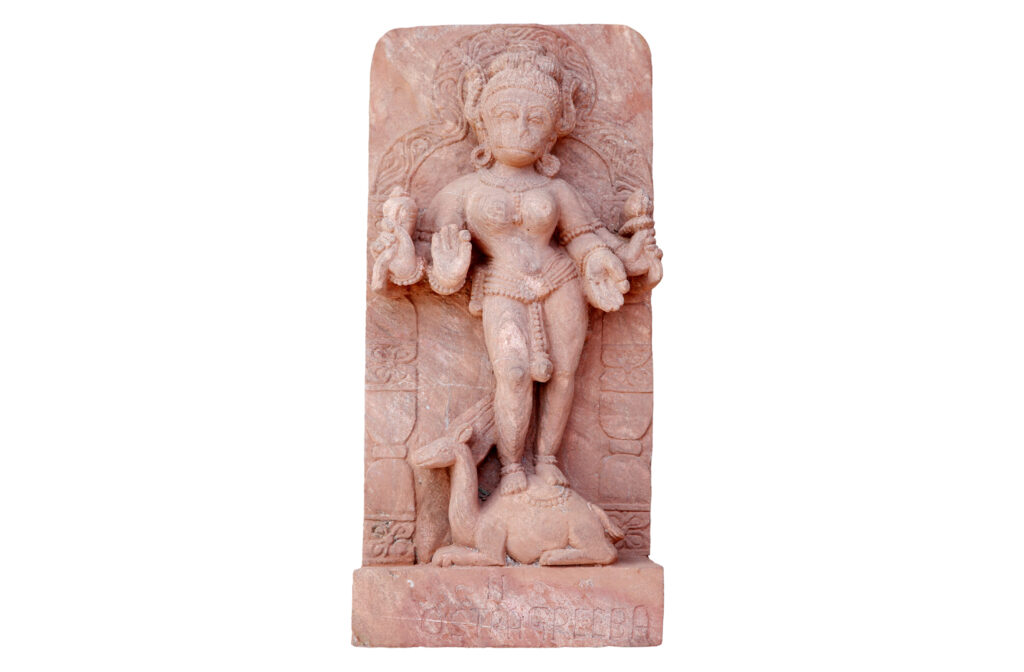
Sculptures, Sandstone

Sculptures, Sandstone

Sculptures, Sandstone

Sculptures, Sandstone

Sculptures, Sandstone

Sculptures, Sandstone

Sculptures, Sandstone

Sculptures, Sandstone

Sculptures, Bronze
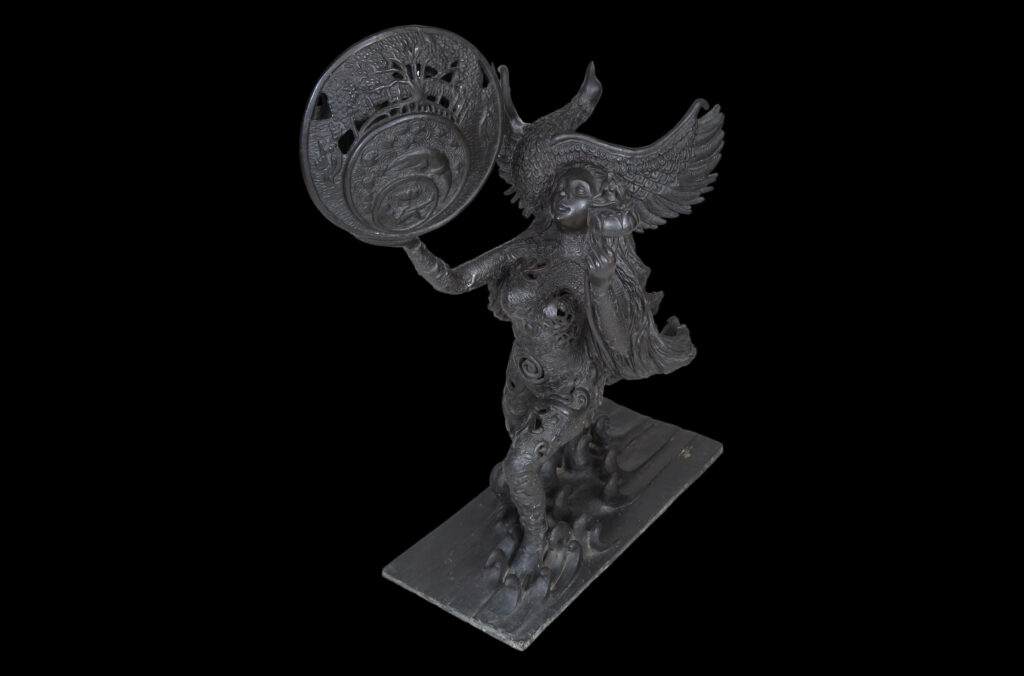
Sculptures, Bronze

Sculptures, Bronze

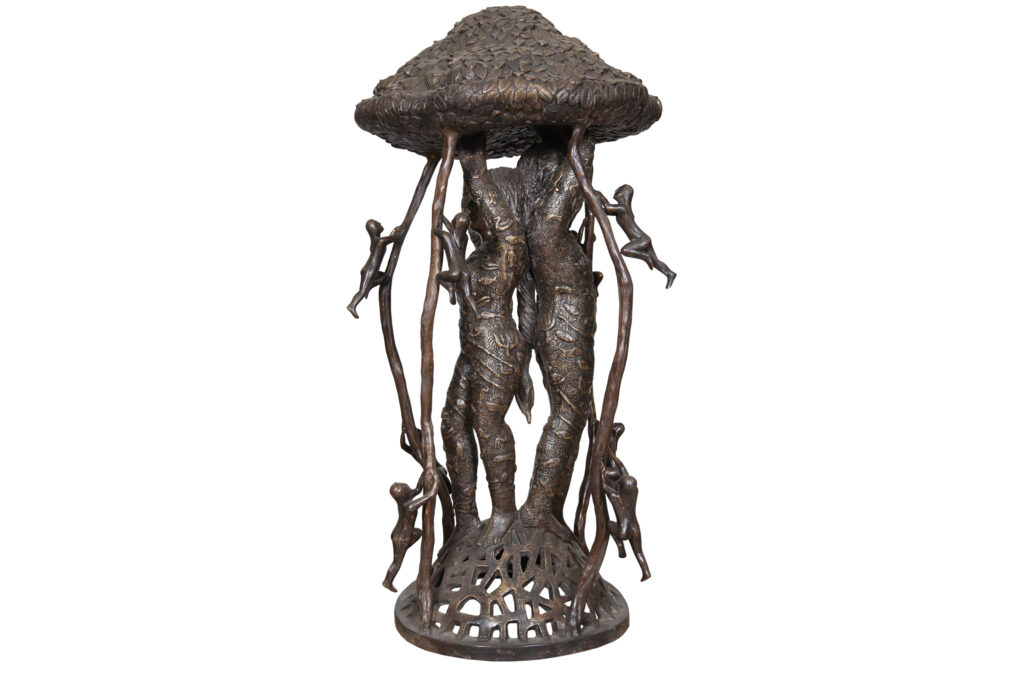


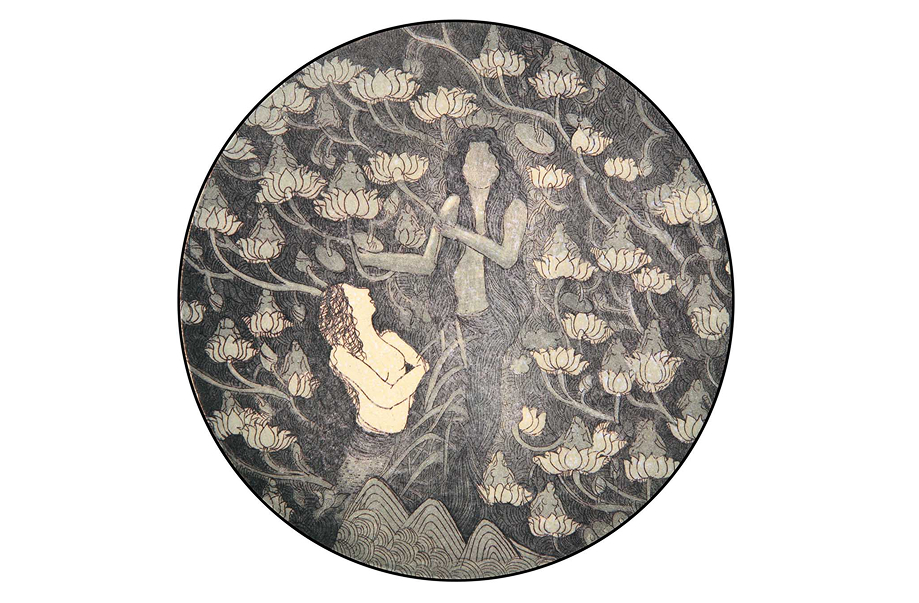


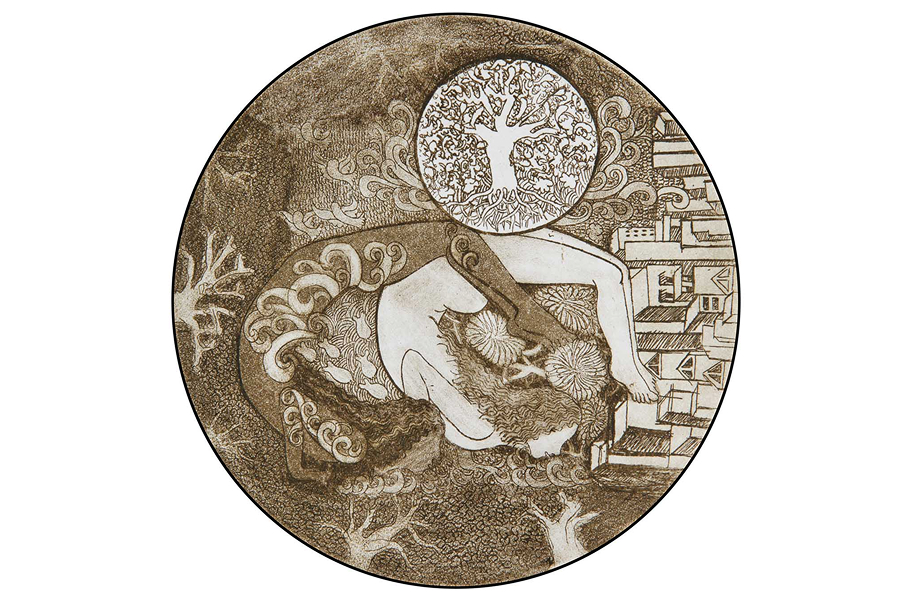






Canvas, Acrylic on Canvas

Canvas, Acrylic on Canvas

Canvas, Acrylic on Canvas

Canvas, Acrylic on Canvas

Canvas, Acrylic on Canvas

Canvas, Acrylic on Canvas

Canvas, Acrylic on Canvas

Canvas, Acrylic on Canvas

Canvas, Acrylic on Canvas

Canvas, Acrylic on Canvas

Canvas, Acrylic on Canvas

Canvas, Acrylic on Canvas

Canvas, Acrylic on Canvas

Canvas, Acrylic on Canvas

Canvas, Acrylic on Canvas

Canvas, Acrylic on Canvas

Canvas, Acrylic on Canvas

Canvas, Acrylic on Canvas

Canvas, Acrylic on Canvas

Canvas, Acrylic on Canvas

Canvas, Acrylic on Canvas


Canvas, Acrylic on Canvas

Canvas, Acrylic on Canvas


Canvas, Acrylic on Canvas




Paperworks, Archival Photographic Works / Drawings


Paperworks, Woodcut

Paperworks, Woodcut

Paperworks, Woodcut

Paperworks, Woodcut

Paperworks, Woodcut

Paperworks, Woodcut

Paperworks, Woodcut

Paperworks, Woodcut

Paperworks, Woodcut

Paperworks, Woodcut

Paperworks, Woodcut

Paperworks, Woodcut
Paperworks, Woodcut

Paperworks, Woodcut

Threadworks, Embroidery
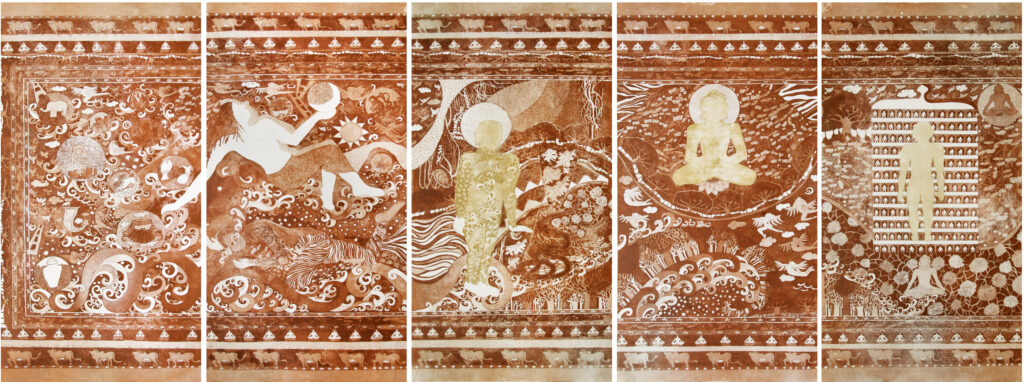
Paperworks, Etching


Canvas, Acrylic on Canvas

Canvas, Acrylic on Canvas
Canvas, Acrylic on Canvas

Canvas, Acrylic on Canvas

Canvas, Acrylic on Canvas

Threadworks, Embroidery

Threadworks, Embroidery

Threadworks, Embroidery

Threadworks, Embroidery


Sculptures, Bronze

Sculptures, Bronze

Sculptures, Bronze

Sculptures, Bronze

Sculptures, Bronze

Sculptures, Bronze

Sculptures, Bronze

Sculptures, Bronze

Sculptures, Bronze

Paperworks, Archival Photographic Works / Drawings

Paperworks, Archival Photographic Works / Drawings
Paperworks, Archival Photographic Works / Drawings


Paperworks, Archival Photographic Works / Drawings
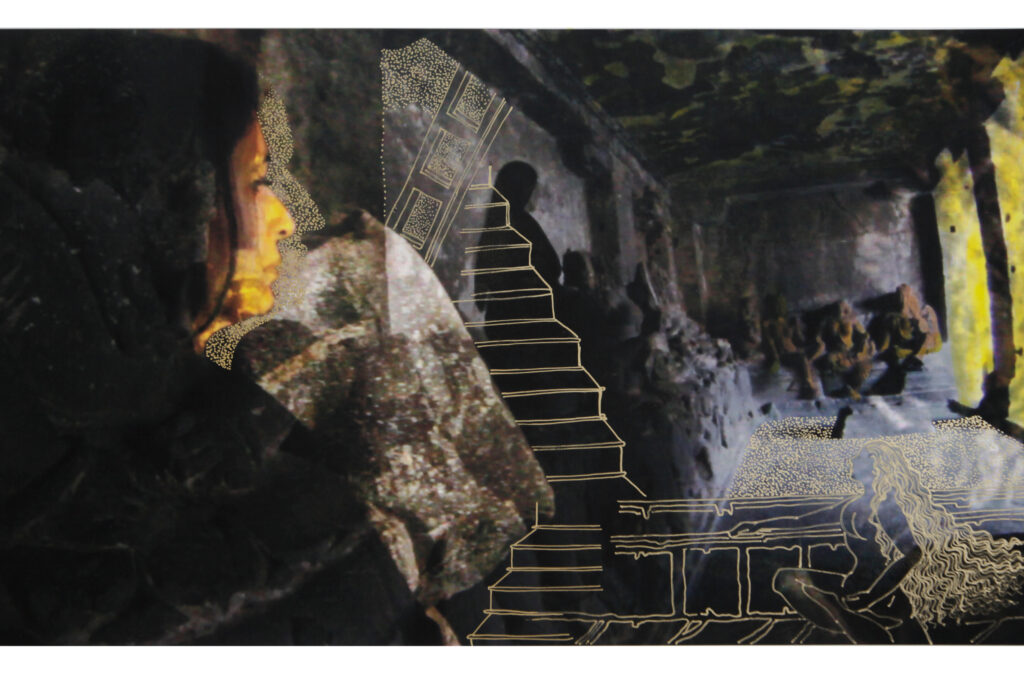
Paperworks, Archival Photographic Works / Drawings


Paperworks, Archival Photographic Works / Drawings

Paperworks, Archival Photographic Works / Drawings

Paperworks, Archival Photographic Works / Drawings


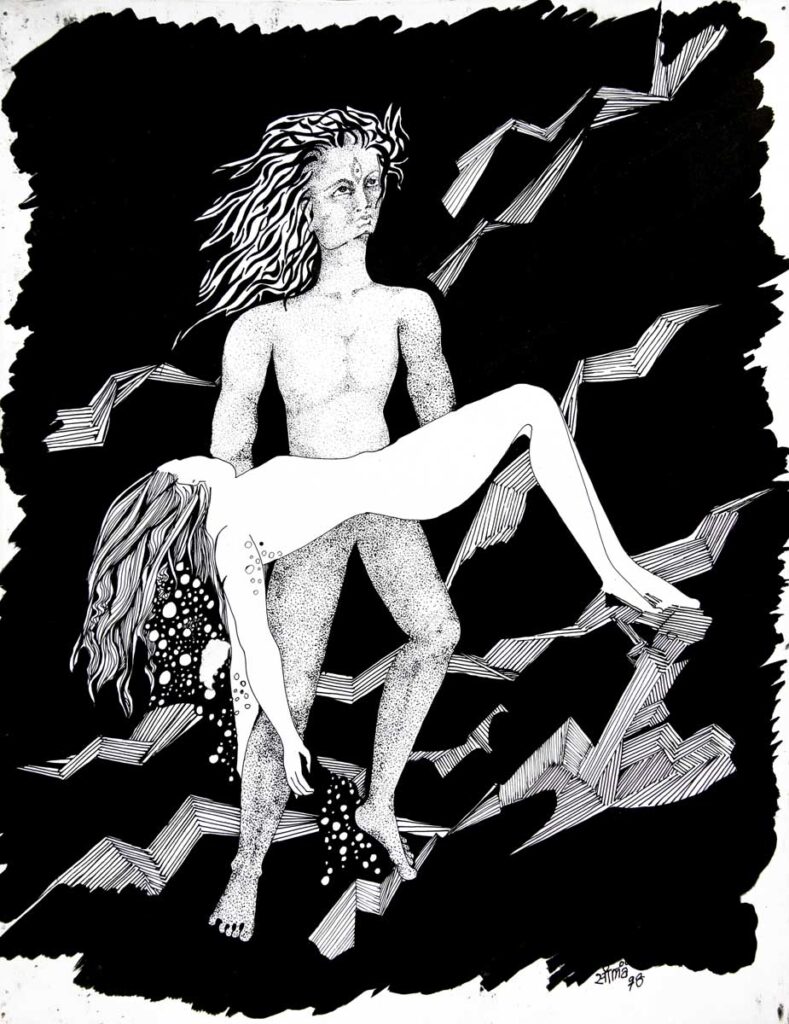
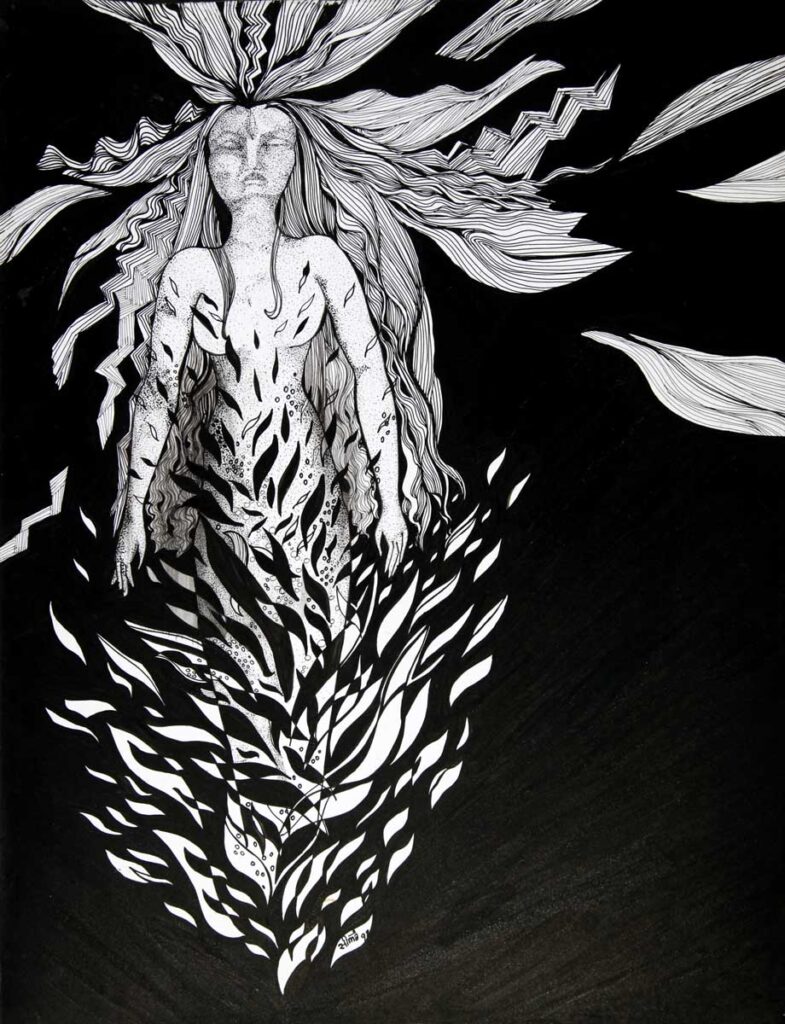
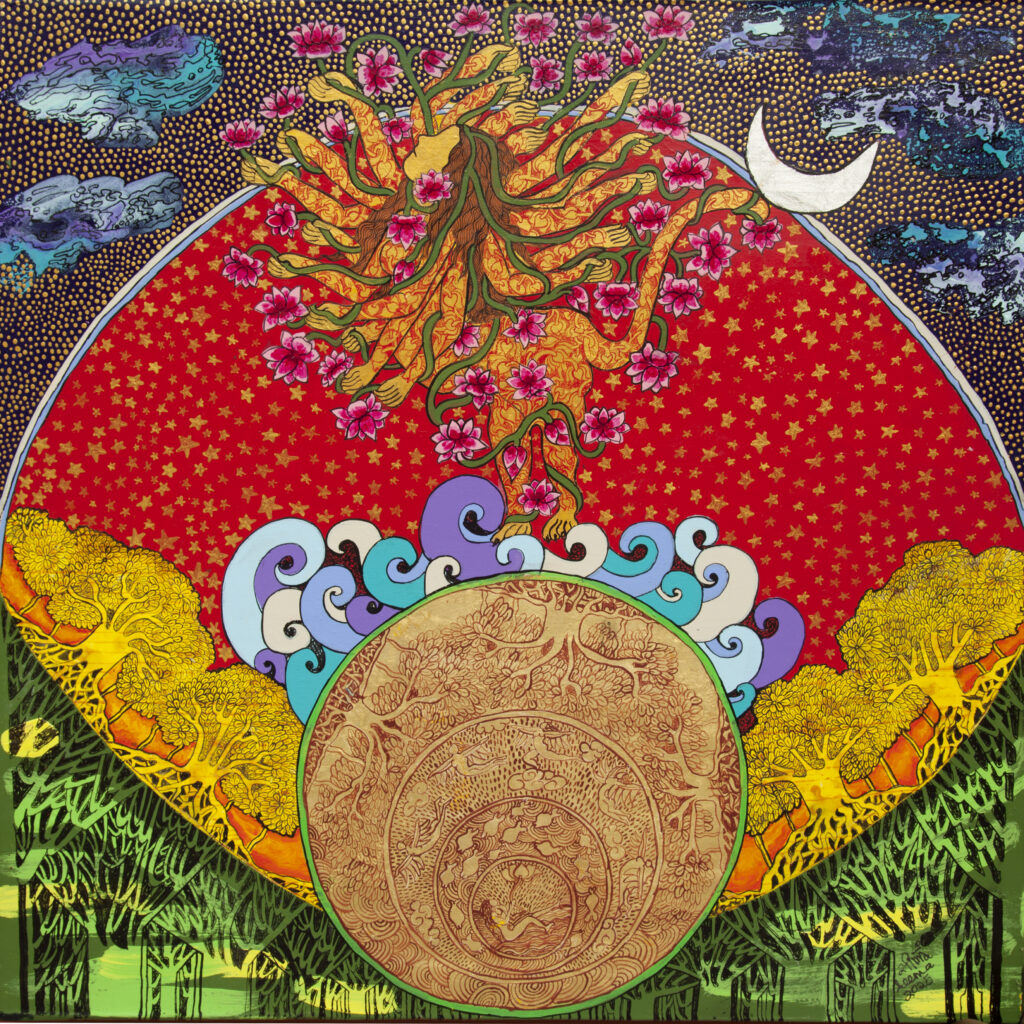
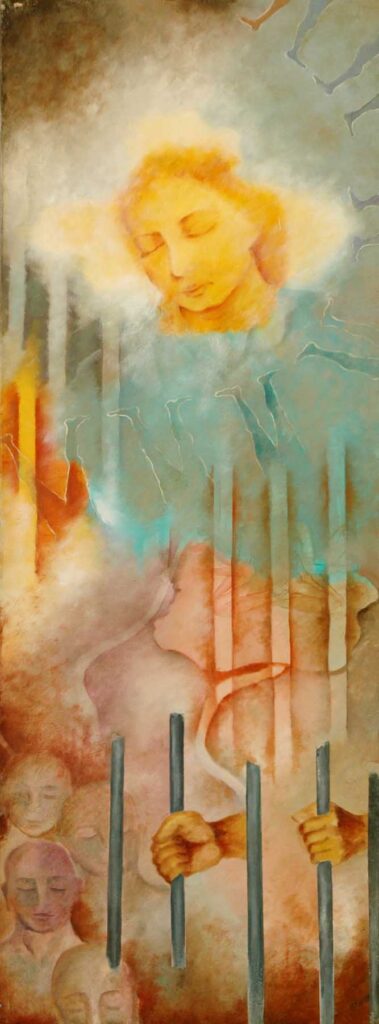
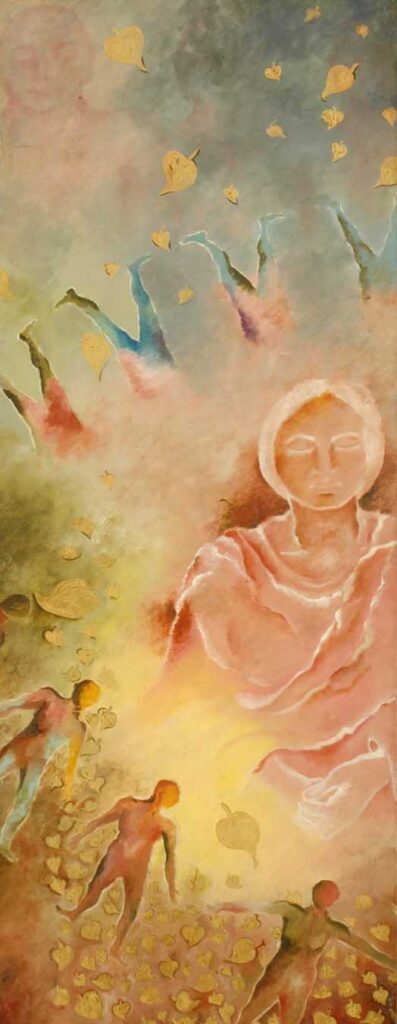
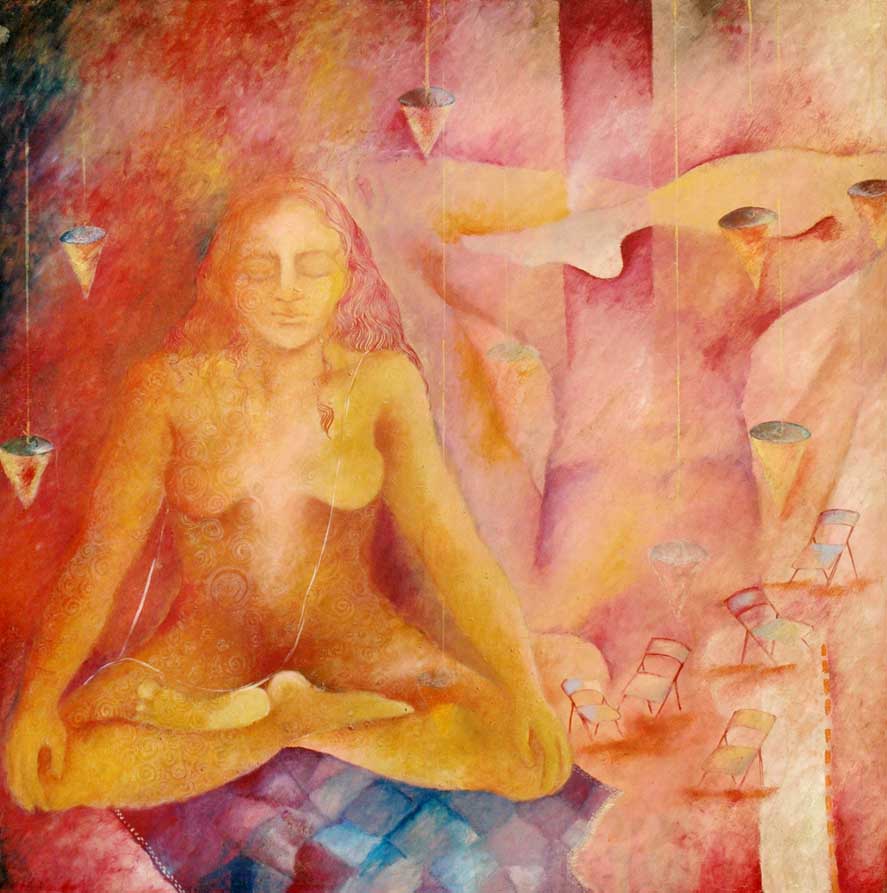
Khula Aasman
Khula Aasman
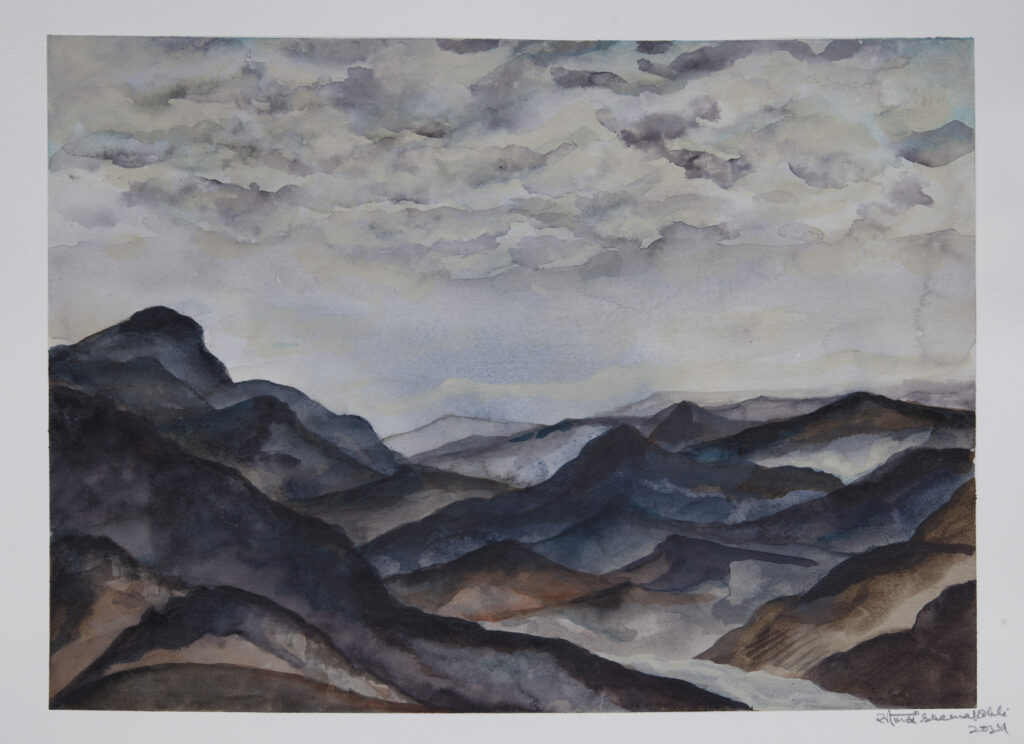
Khula Aasman
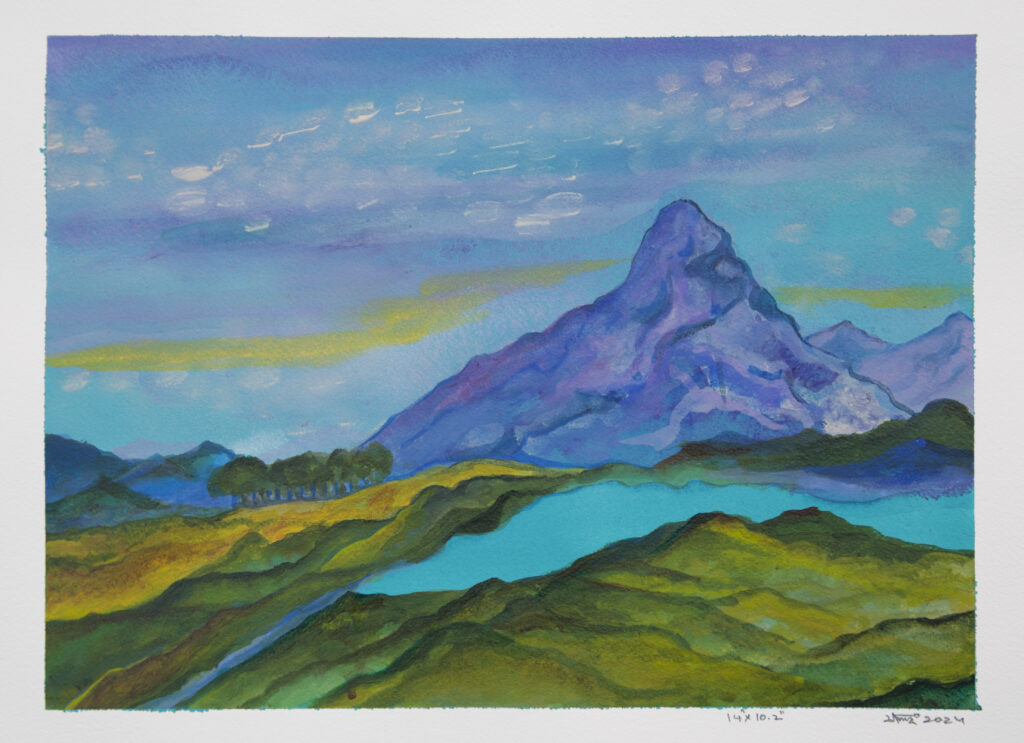
Khula Aasman
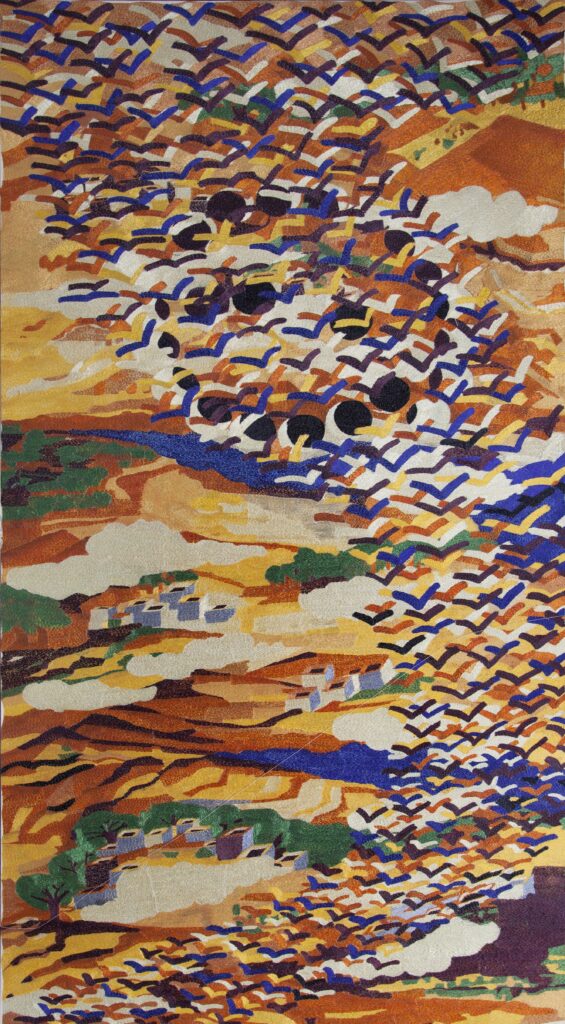
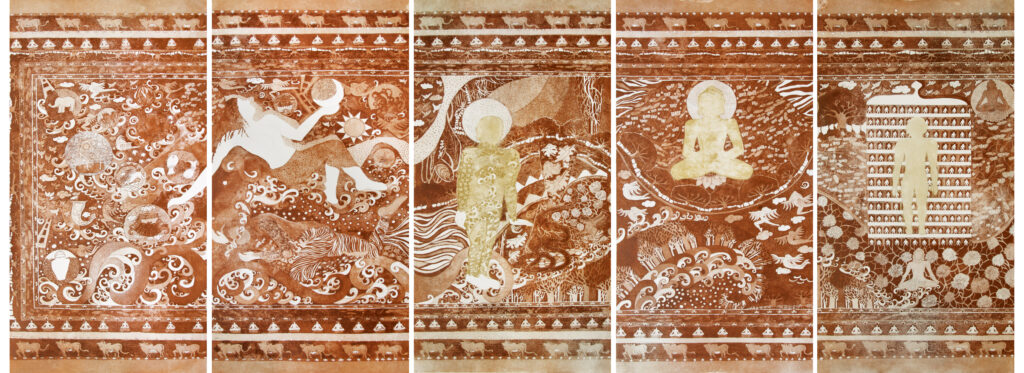
The Golden Womb Series
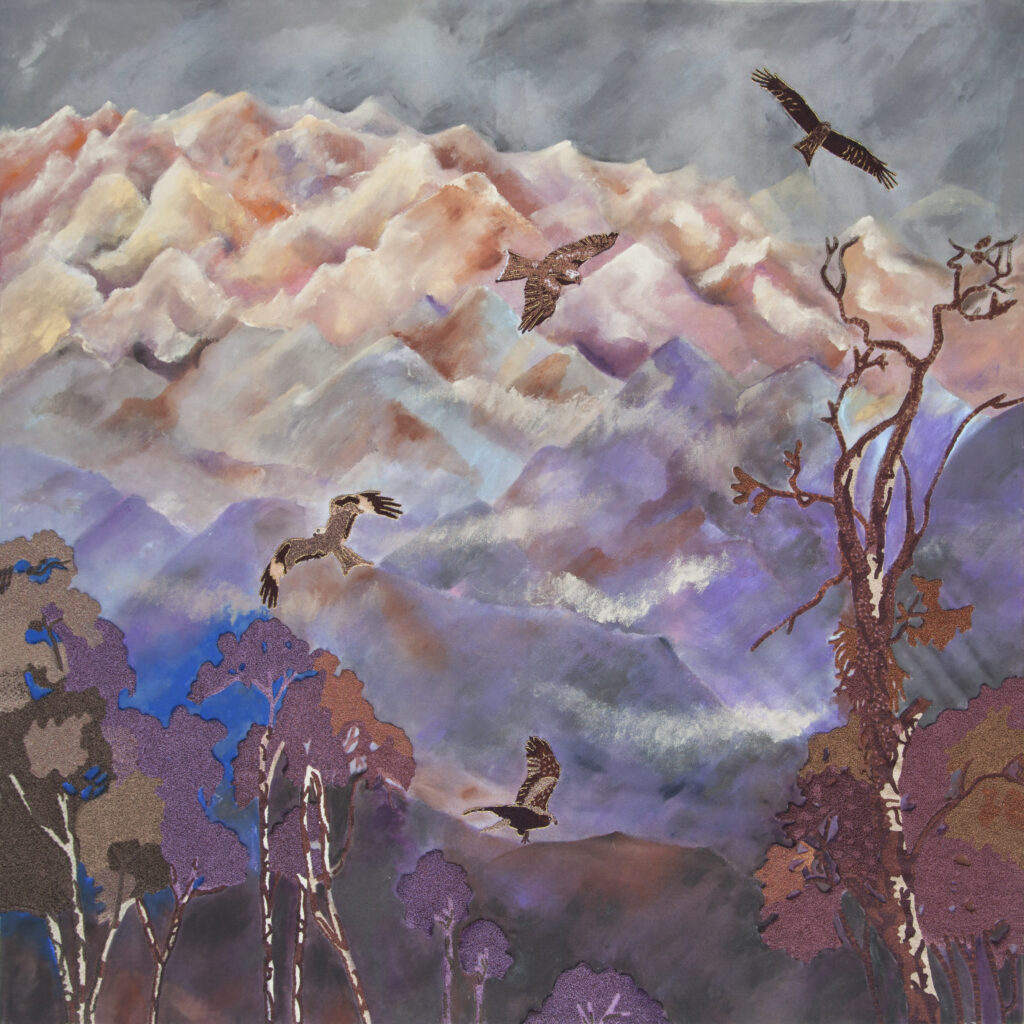
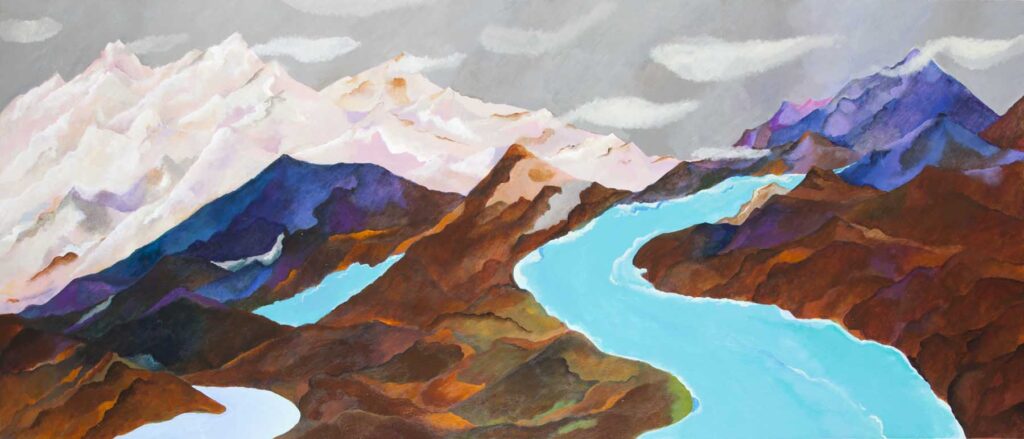
Khula Aasman
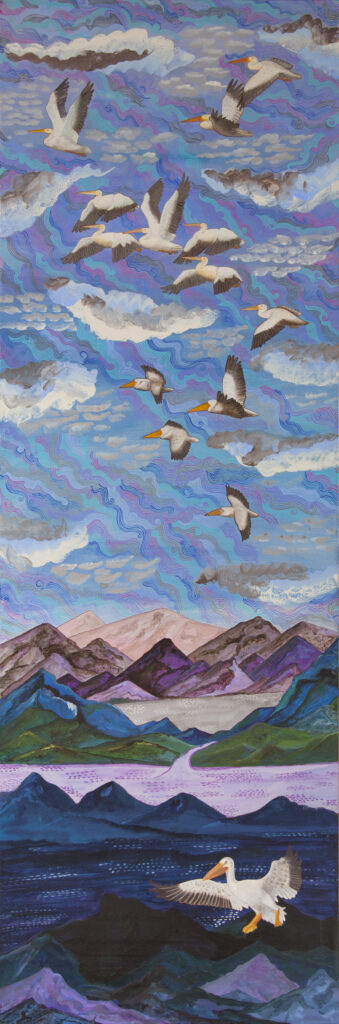
Khula Aasman
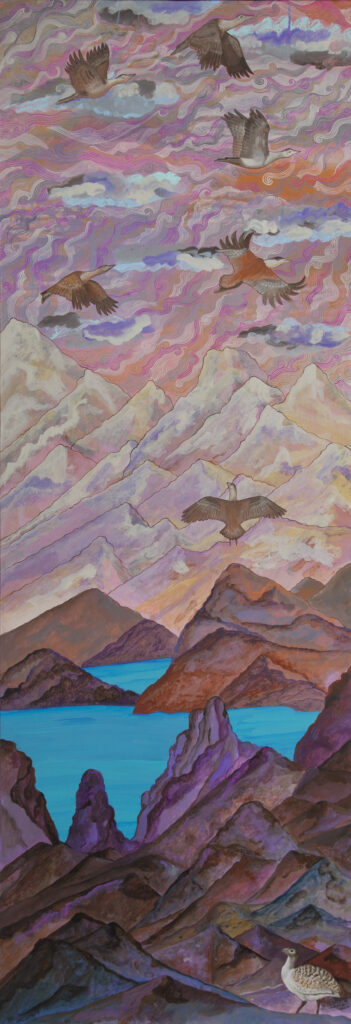
Khula Aasman
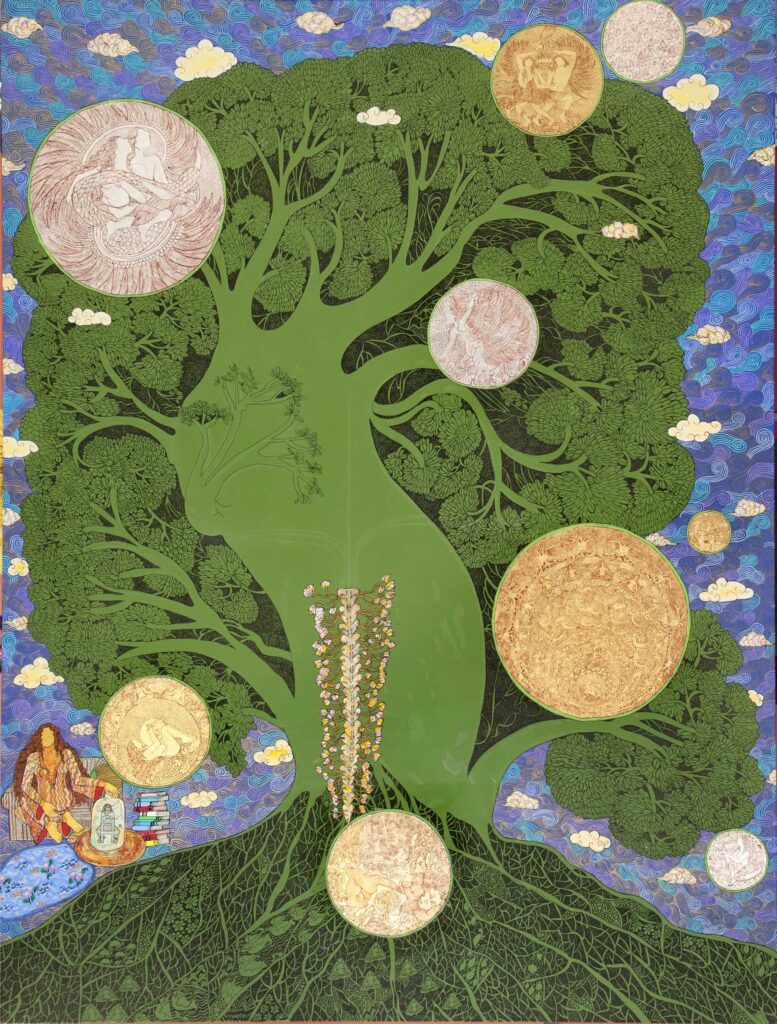
Tree of life
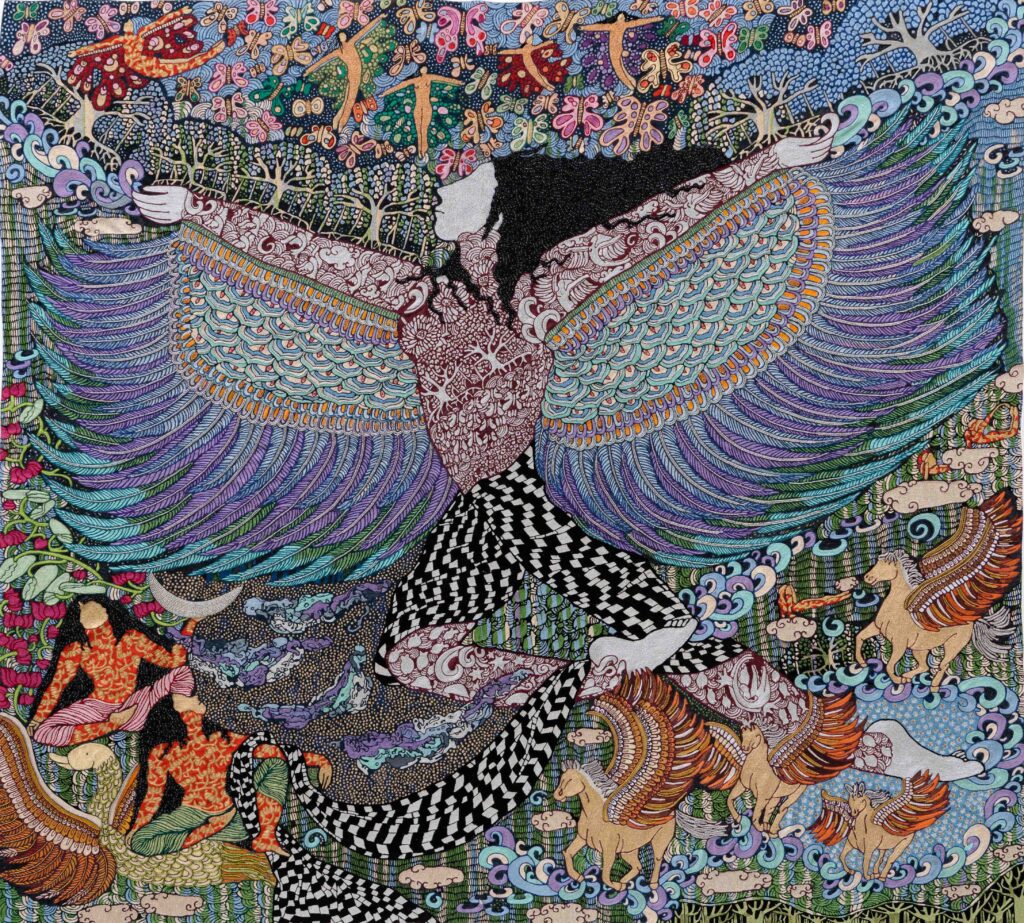
Khula Aasman
This website uses cookies to make it work, to understand how visitors use it, and to improve your experience. Strictly necessary cookies are always on. You can accept all cookies, reject non-essential ones, or choose which to allow. Learn more in our Cookie Policy and Privacy Policy.
We use different types of cookies for different purposes. Strictly necessary cookies are required for the website to function and cannot be turned off. For all other cookies, you can choose whether to allow them below. You can change these settings at any time.
Strictly necessary cookies: Required for core functions like page navigation, security, and completing a purchase. The website cannot work properly without them.