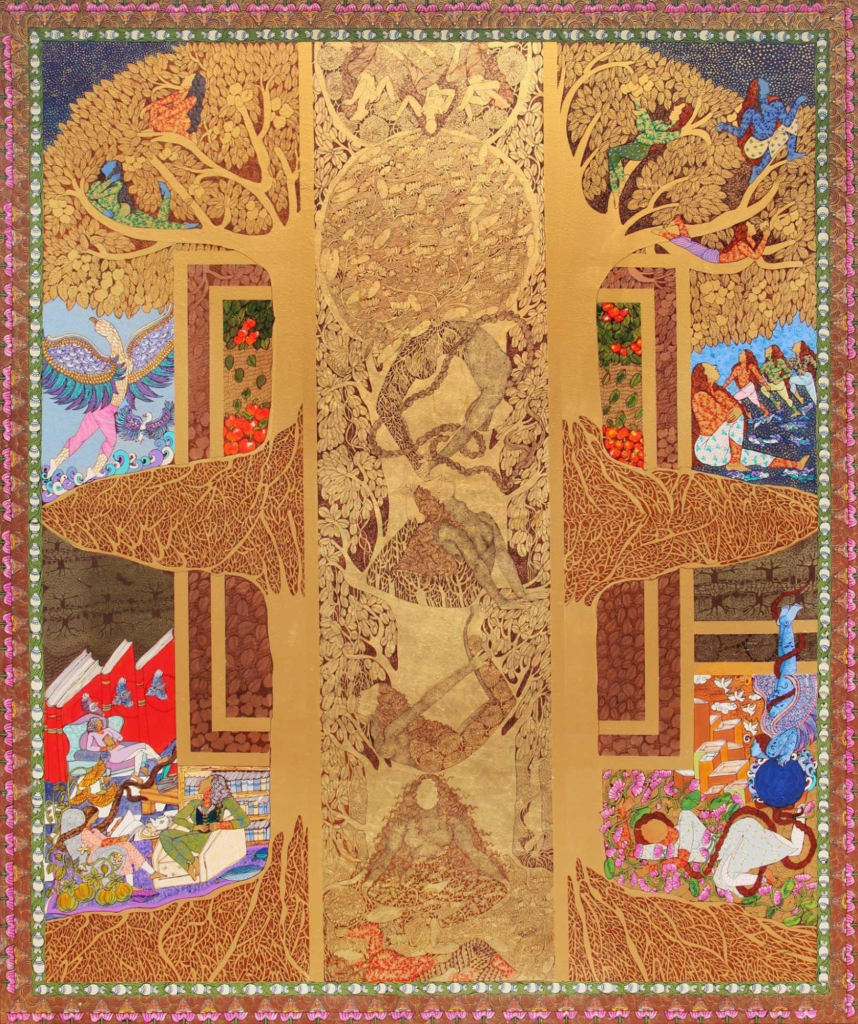
Sarva Kalvitam Maya
Breathe, I say to myself, approaching the studio, for breath can no longer be taken for granted, not any more, not when the oxygen has...
Read
Seema Kohli
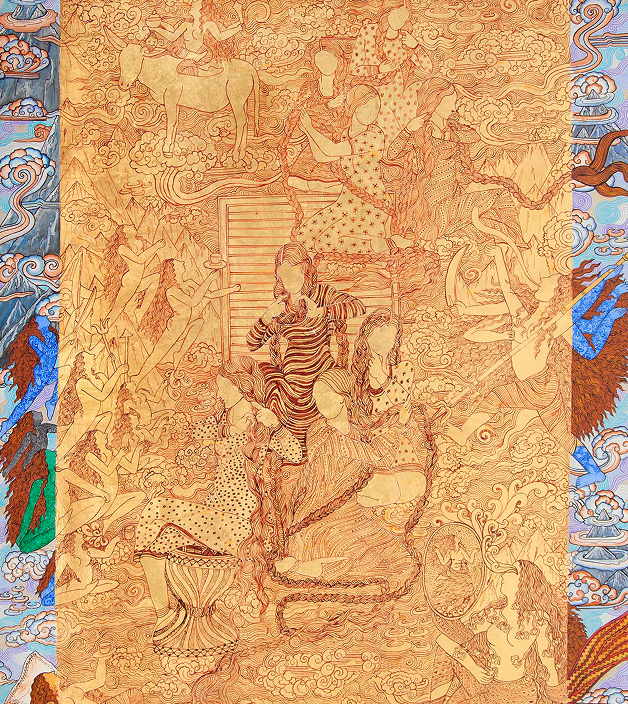
Acrylic colours and ink with 24kt gold leaf on 320 gsm Arches paper, 27 x 20 inches
“It is an ode to the grandmothers and the mothers, the soft conversations that have stayed with me while removing the entangled hair, they shifted our perspective of this rough business of braiding into an hour of stories and fantasies” — Seema Kohli
The simple act of hair braiding is far more than an aesthetic practice; it is a profound cultural and spiritual tradition that serves as a vital vehicle for passing down oral histories and preserving identity. Across diverse communities, from Indigenous nations of the Americas to the Yoruba and Wolof people of West Africa, braiding sessions transform into living classrooms. This intergenerational process, which can often take hours, mandates close physical proximity and dedicated, uninterrupted time, creating an ideal setting for elders to share sacred knowledge, historical narratives, and foundational cultural teachings.
As children, my siblings and I had long hair, so bath time was always a task. My mother and Nani ran our bath time like a well-oiled machine. My mother would bathe us, oil us, and wipe us, then hand us over to my Nani to comb and braid our hair. I dreaded it because my curly hair was difficult to manage. It had to be combed while wet, or it would never absorb the oil and stay neat. The whole system was built around braiding. It became a precious time for us, bonding with our mother and grandmother.
While we sat with our Nani, she would occupy us with various stories. While she took on the heroic task of combing and braiding my notoriously curly hair, she would weave incredible worlds. Her primary motivation? The dread of lice. She painted an epic picture, describing our heads as a dense, untamed forest, our hair the towering trees, and the lice themselves as rhinos, roaming around in there. Though the comb was usually yanking my curls with the force of a small tractor, I would completely forget the sting. Instead, I’d be absorbed, visualising a tiny, mythological rhino safari occurring on my scalp. That ability to turn a mundane, slightly torturous grooming session into an absolute, virtual reality adventure, is a superpower only a grandparent can do.
My sister, just one year older than me, often took on a motherly role. She was very close to our mother and easily assumed her duties. She seemed to love it, and braiding came very naturally to her. I recall an occasion when I was in art college, where she braided my hair so tightly that I didn’t need to open it for two days.
The concept of telling stories while braiding hair is also found in African cultures. Braiding is considered a crucial act of communal intimacy. These lengthy sessions become vital opportunities for intergenerational bonding, where mothers and grandmothers pass down cultural knowledge, wisdom, and family histories through storytelling and shared rhythmic touch. Historically, braided patterns signified a woman’s age, tribal identity, marital status, or social rank, making the act a collective affirmation of identity and community in the face of disruption and a resilient cultural technology.
This ritual of braiding and bonding is not unique. In mountainous areas, braiding is often essential because people can’t wash their hair frequently or waste time on extensive styling. Oiling and braiding keep hair manageable and protected. While this is the labour-intensive side, the true value is the other side: this practice creates a vital time of bonding between generations.
Amongst the First Nations and Indigenous communities in North America, hair is considered a sacred extension of the spirit and a connection to the Creator and ancestors. The three strands of a braid often symbolise the unity of mind, body, and spirit, or sometimes the past, present, and future. As elders braid a child’s hair, they simultaneously weave in lessons about self-respect, community values, and the relationship to the land, ensuring that these worldviews are internalised and carried forward.
The tradition of braiding ensures that cultural identity is literally worn and displayed, while the quiet, focused time spent together reaffirms kinship bonds. It is a powerful, tangible link to ancestral wisdom, ensuring that the history, language, and moral compass of a community endure across generations through the intimacy of touch and the power of the spoken word.
Seema Kohli
Seema Kohli, 2025 (The above concept is the copyright of the author/ artist Seema Kohli and cannot be copied, distributed without the prior knowledge of the author writer)
Breathe, I say to myself, approaching the studio, for breath can no longer be taken for granted, not any more, not when the oxygen has...
Read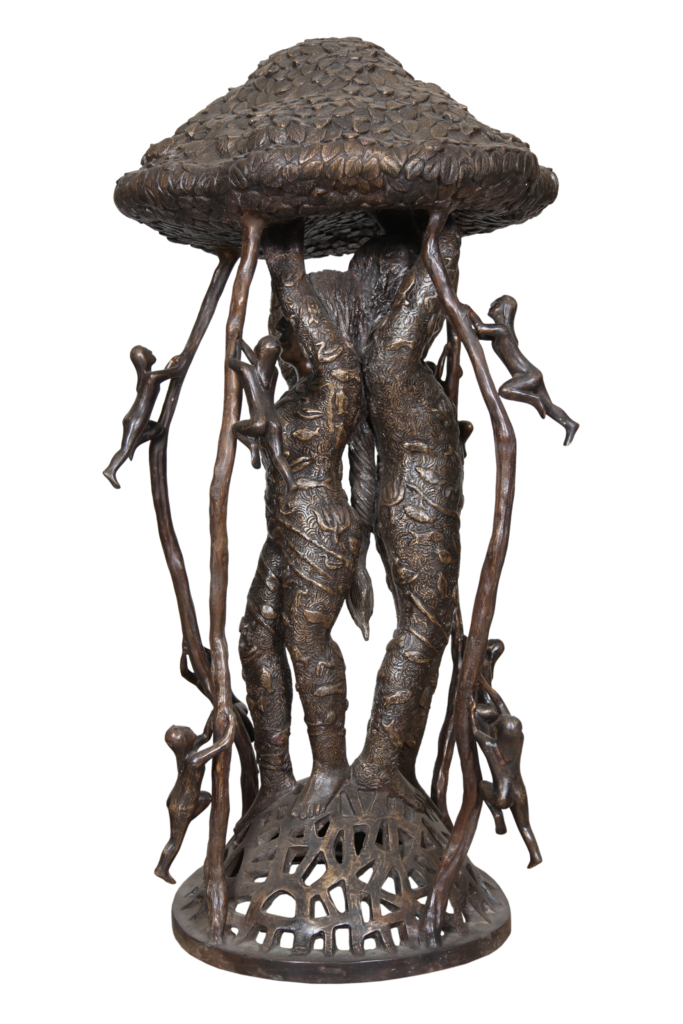
I see Tree of Life in the form of Aradhnareshwar. The display of the continous balance of energies is there in nature. It gives us...
Read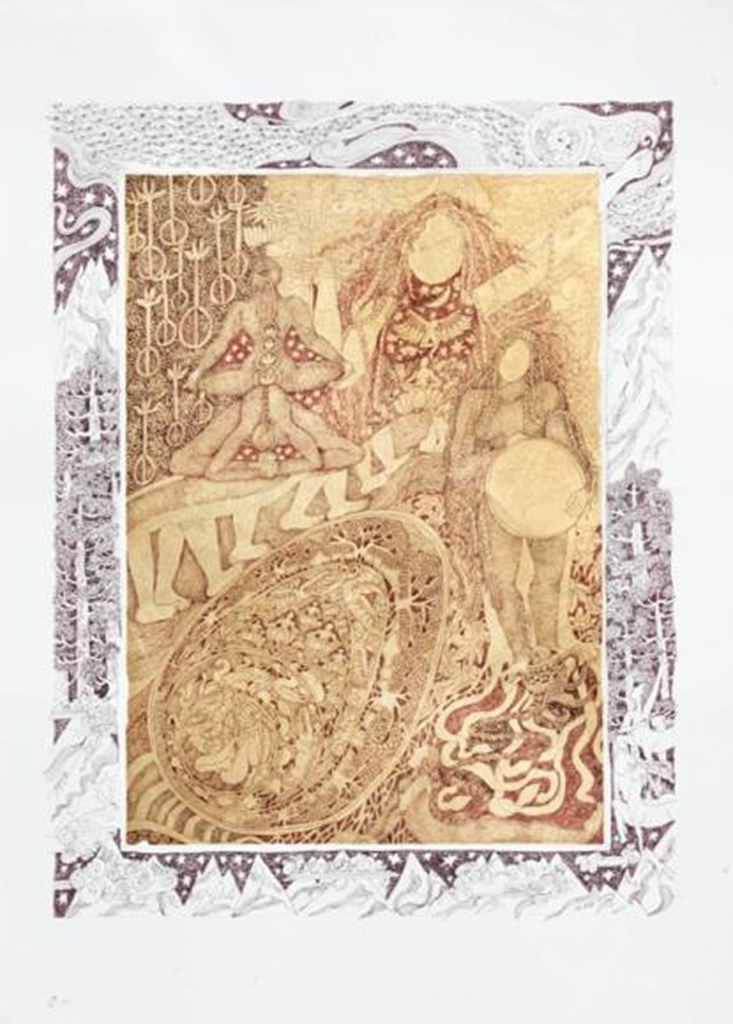
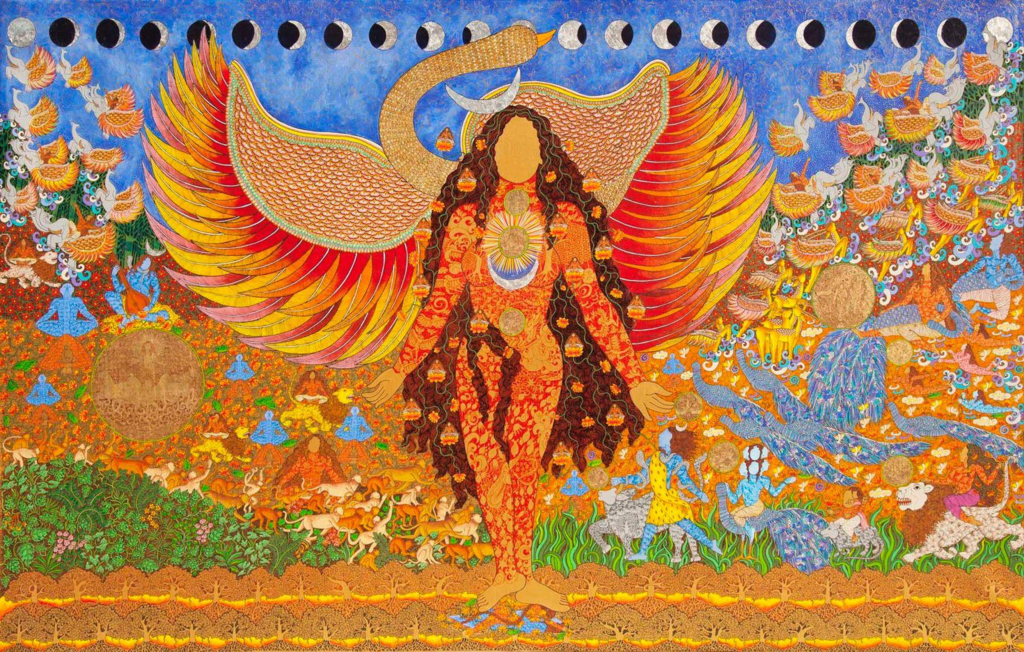
Standing at the cusp of reality and the fantastical disposition of the shadows of mythical world, my artwork celebrates feminine strength, and is a representation...
Read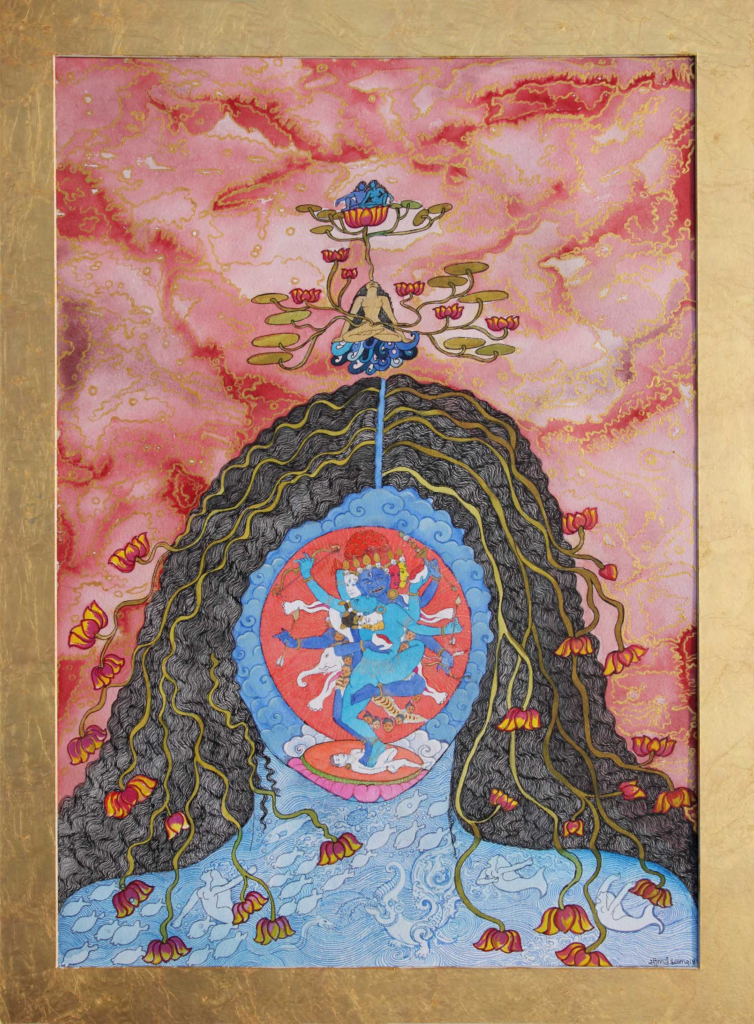
Where there is a balance, there is a union of breath of Ida and Pingala resulting in the activation of Sushmana. A space of rising...
Read
“It is an ode to the grandmothers and the mothers, the soft conversations that have stayed with me while removing the entangled hair, they shifted...
Read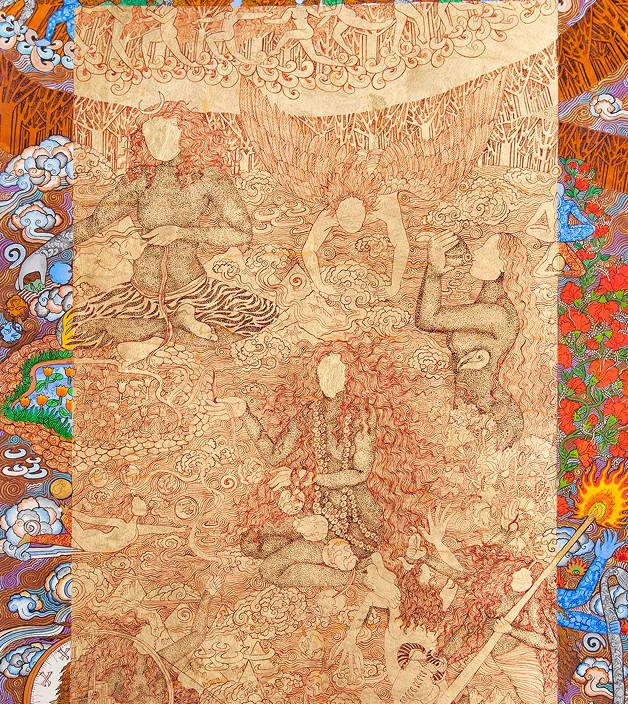
The Body and Its Worlds-Inner or Outer is an exploration of the layered consciousness, usingdual tones to bridge the visible world with the invisible depths...
Read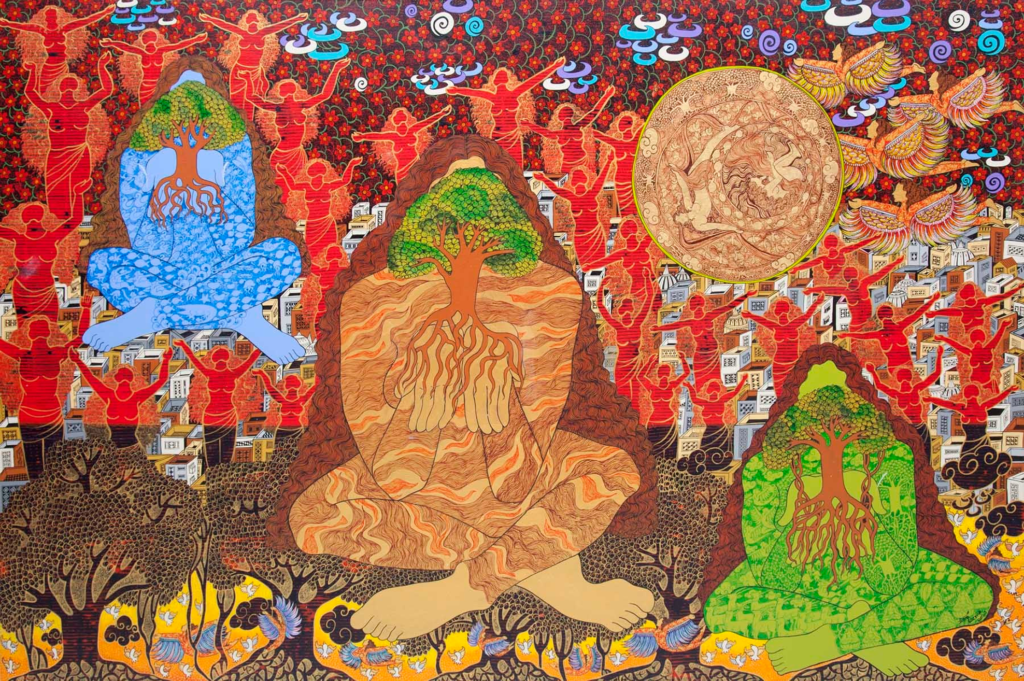
The intricate bond between humans and nature, symbolized by I hold a Tree or the Tree holds me, underscores our profound interdependence. As environmental challenges...
Read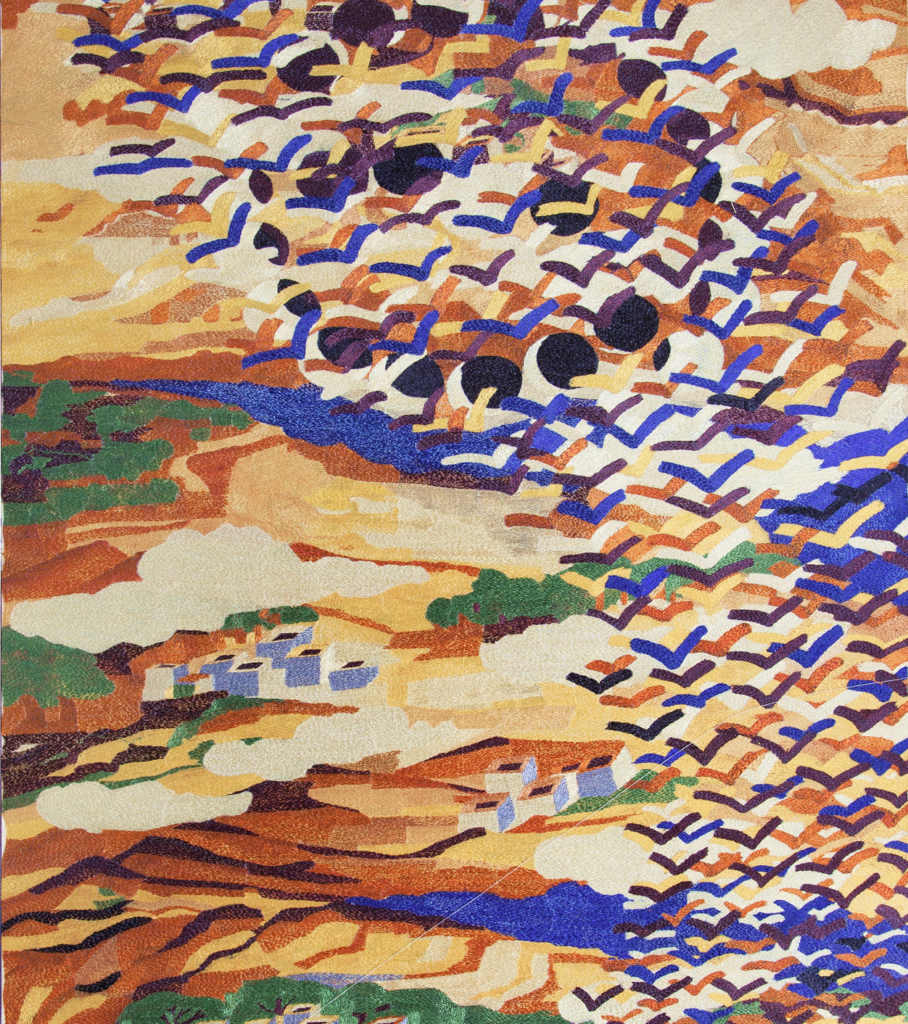
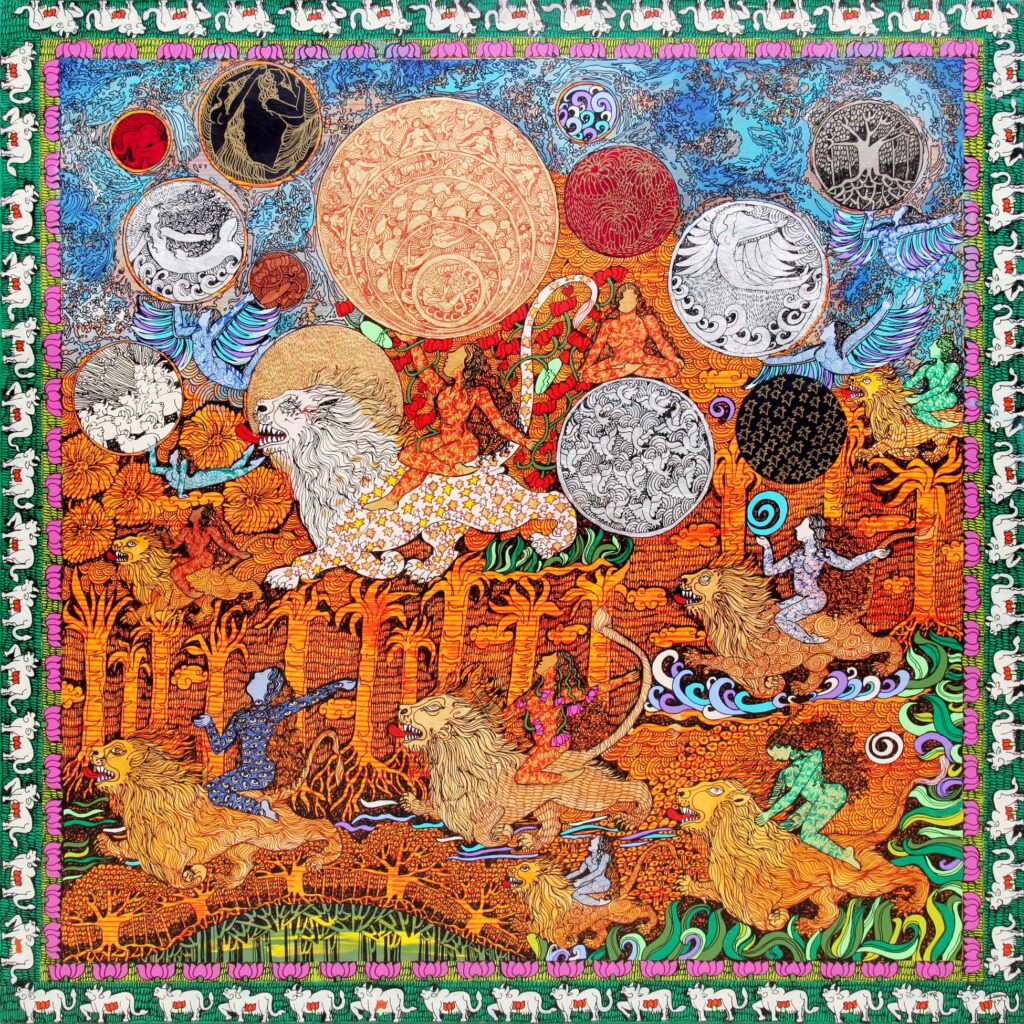
“I am everywhere”everything is in my womb,I expand in every thoughtEvery time I contractThe expansion is volcanicEvery time you believe I Am NotI create a...
Read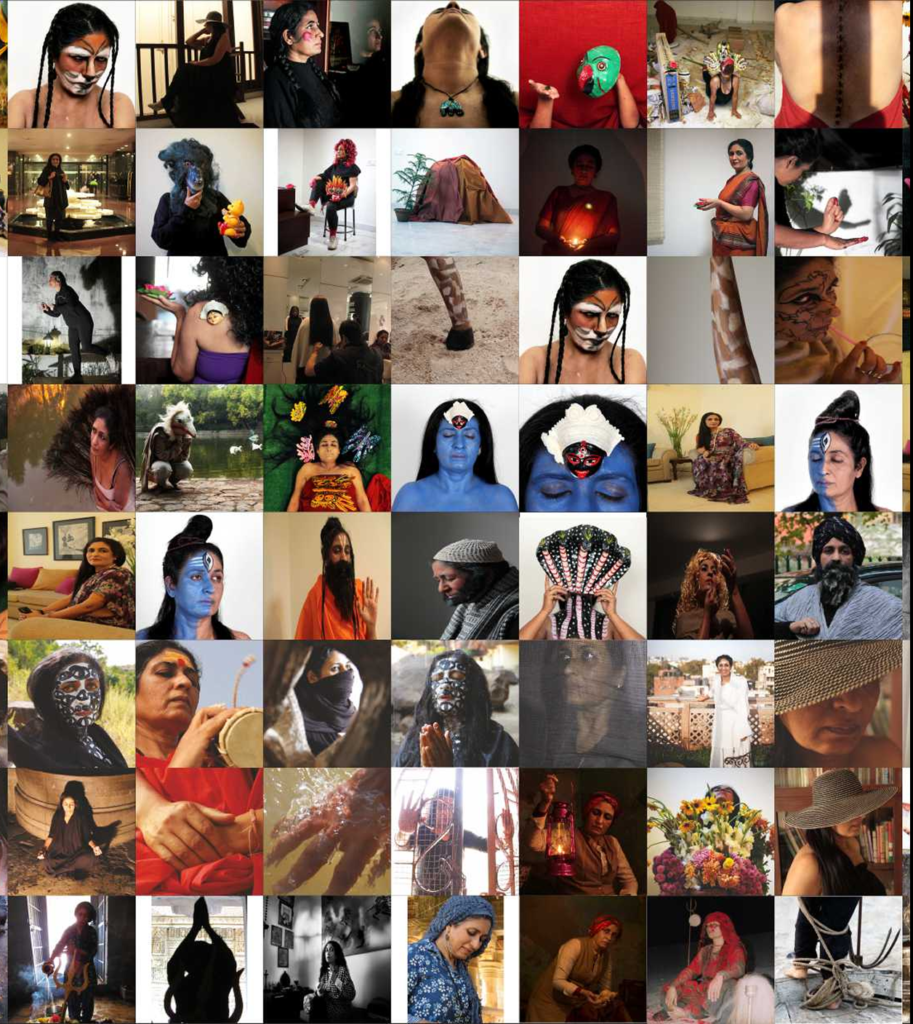
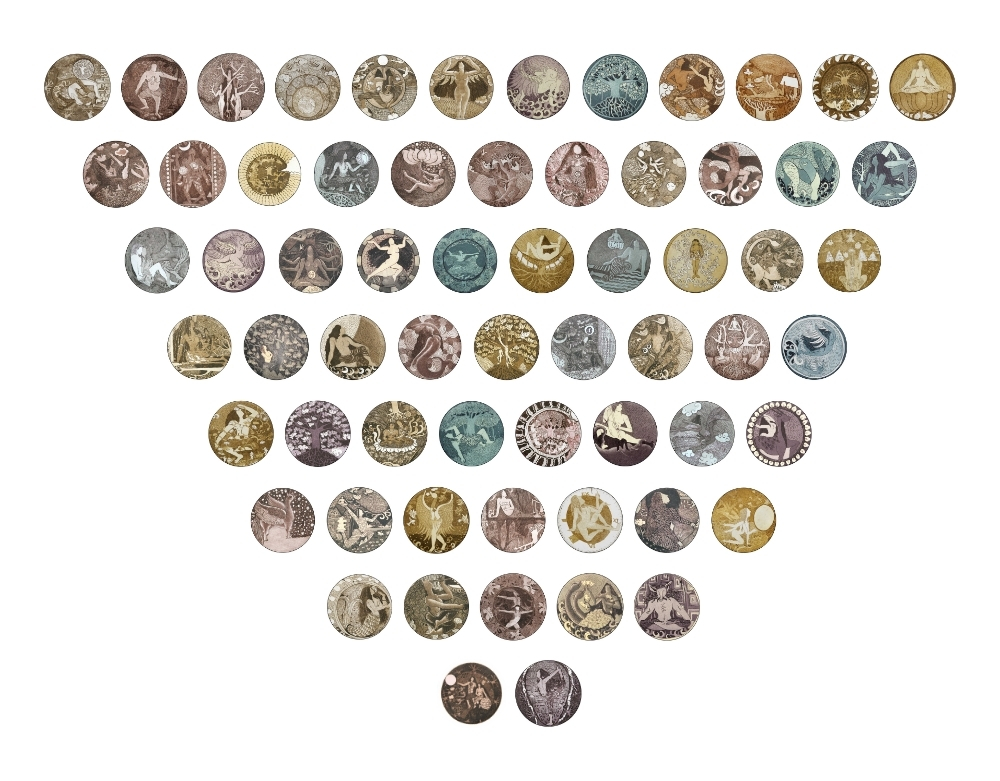
I believe that there first existed a womb through which everything came to be created, which I call the golden womb or the ‘Hiranyagarbha’. This...
Read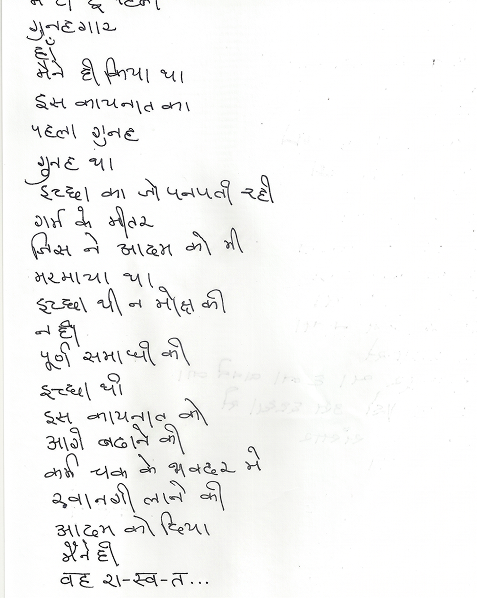
I move in a circular motion, Like time As does life and death itself Energy passing from one space to another So is the idea...
ReadThis website uses cookies to make it work, to understand how visitors use it, and to improve your experience. Strictly necessary cookies are always on. You can accept all cookies, reject non-essential ones, or choose which to allow. Learn more in our Cookie Policy and Privacy Policy.
We use different types of cookies for different purposes. Strictly necessary cookies are required for the website to function and cannot be turned off. For all other cookies, you can choose whether to allow them below. You can change these settings at any time.
Strictly necessary cookies: Required for core functions like page navigation, security, and completing a purchase. The website cannot work properly without them.